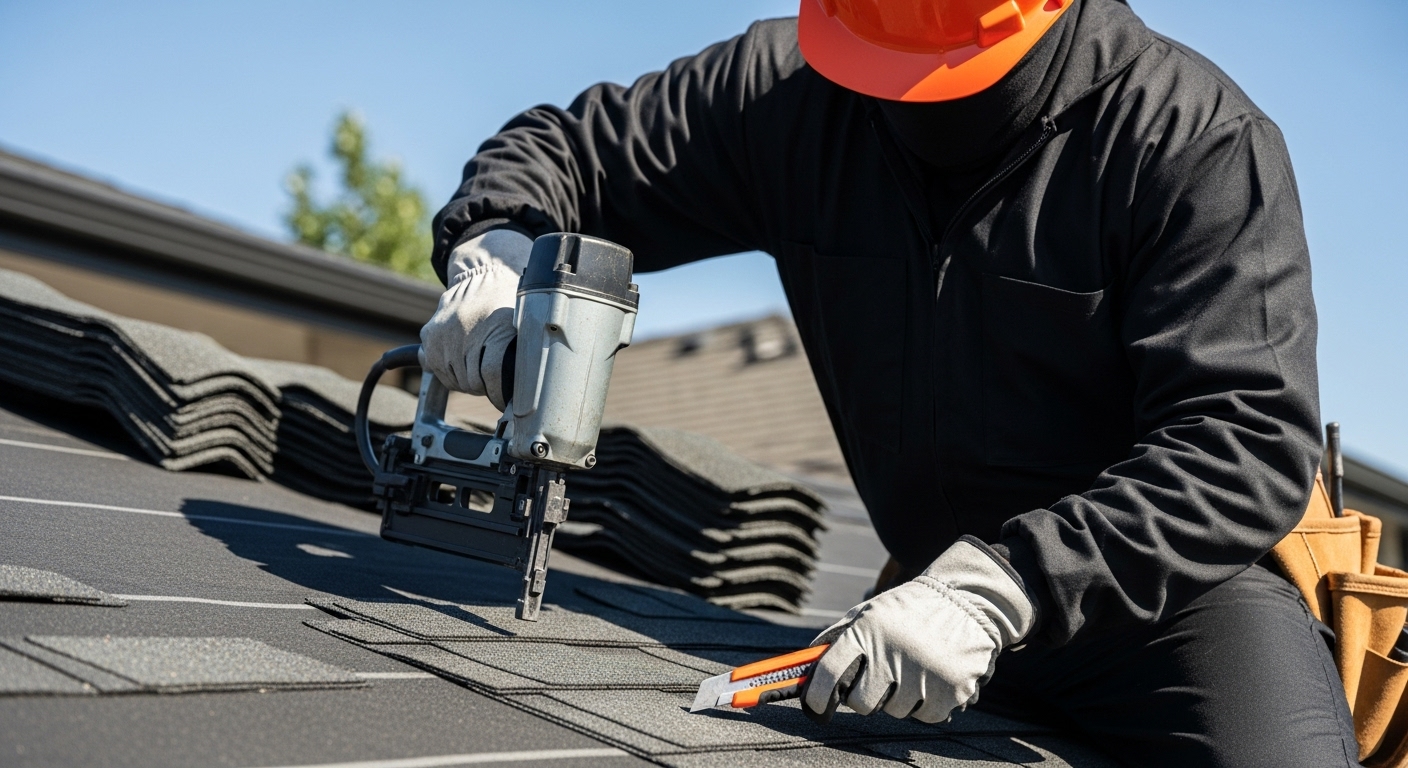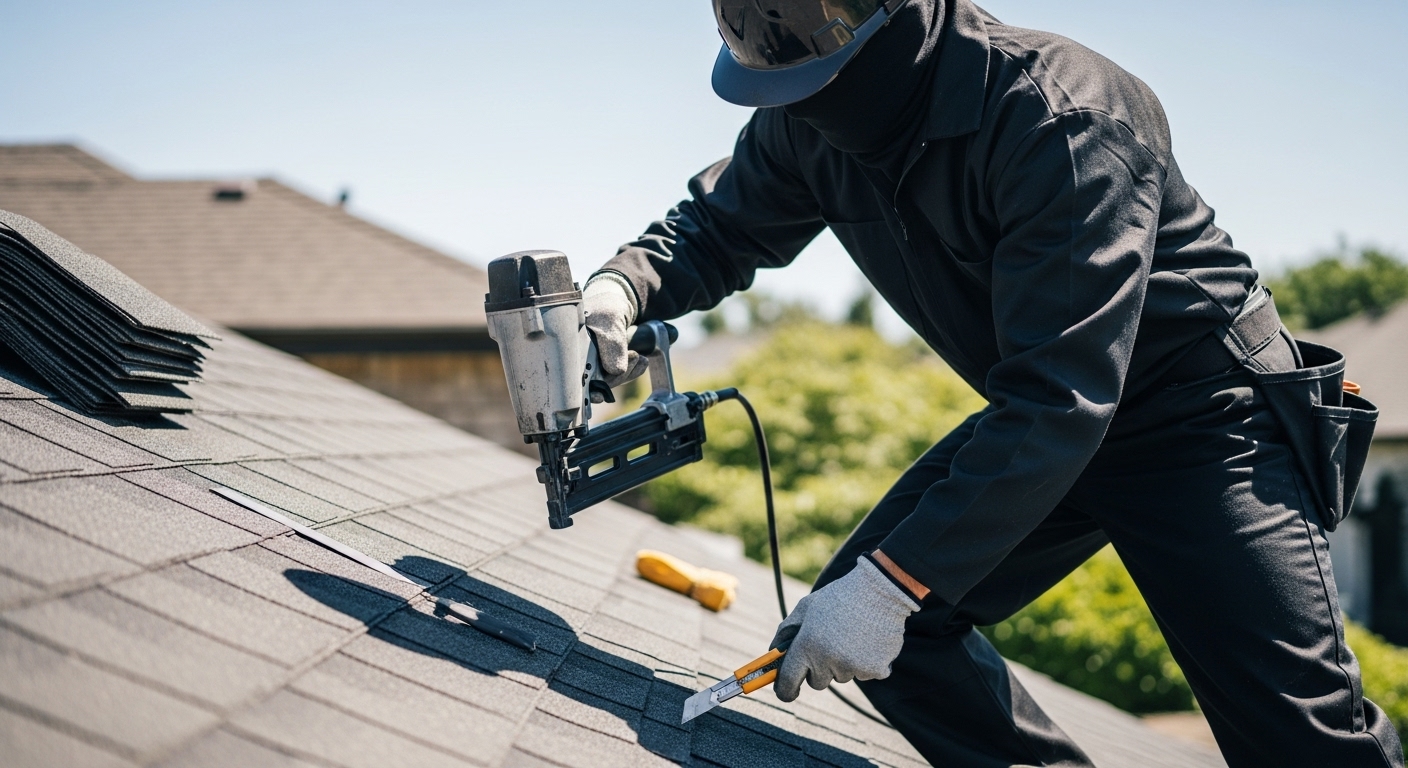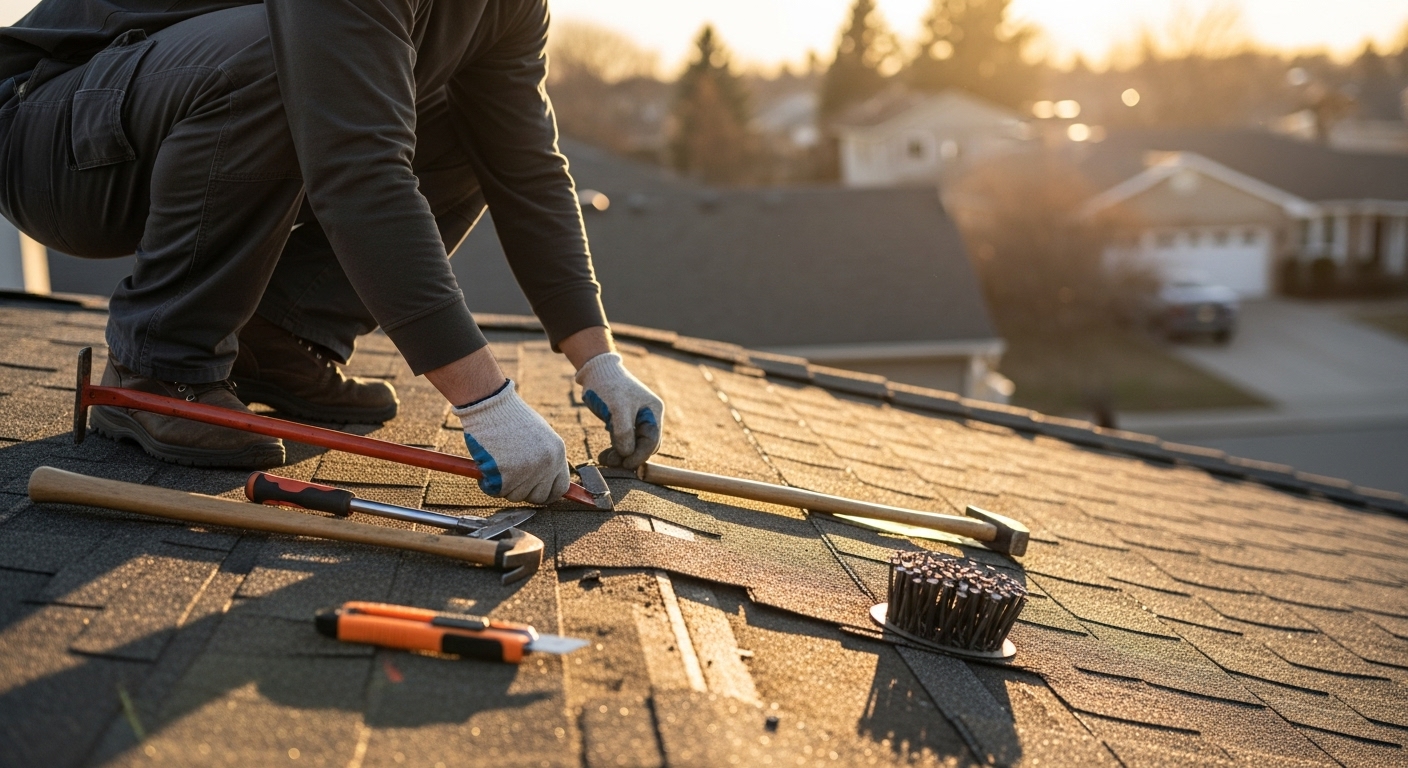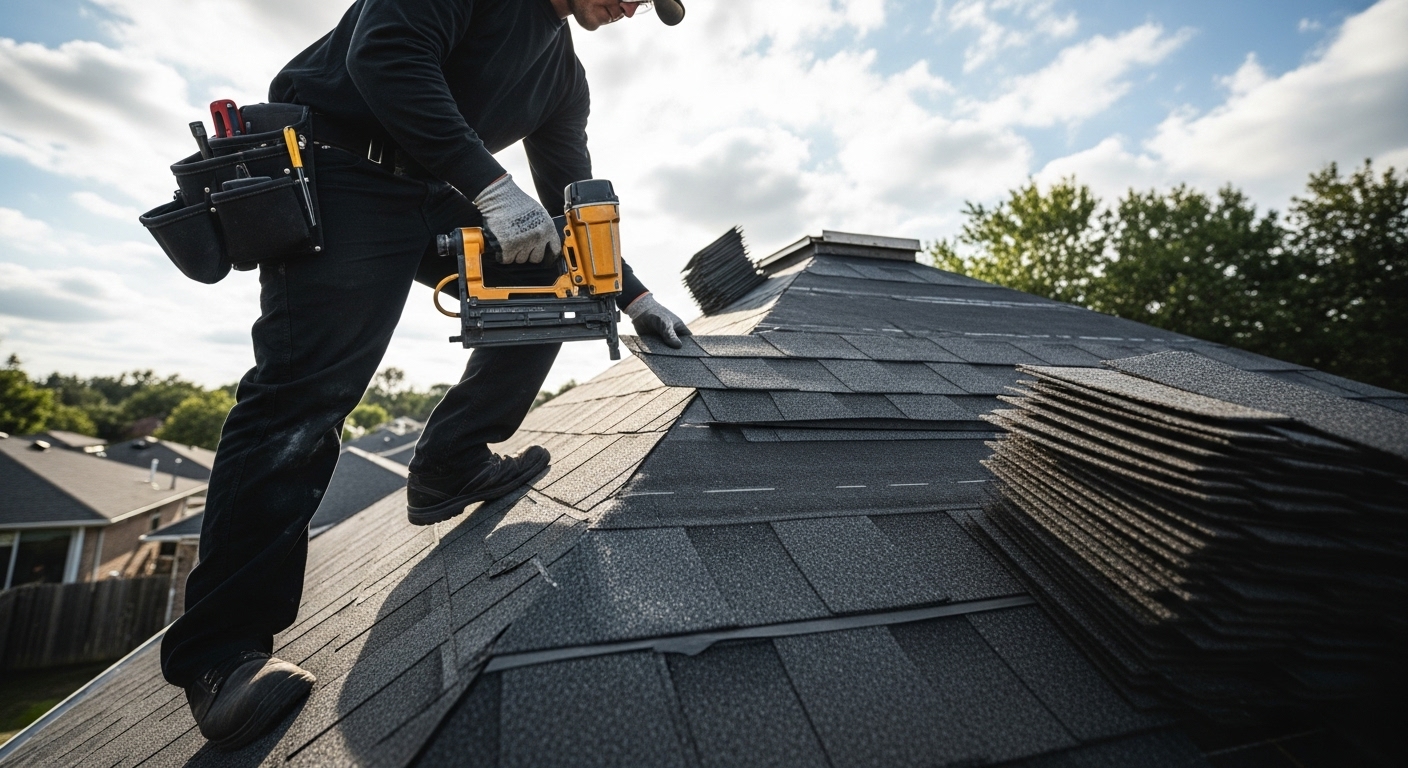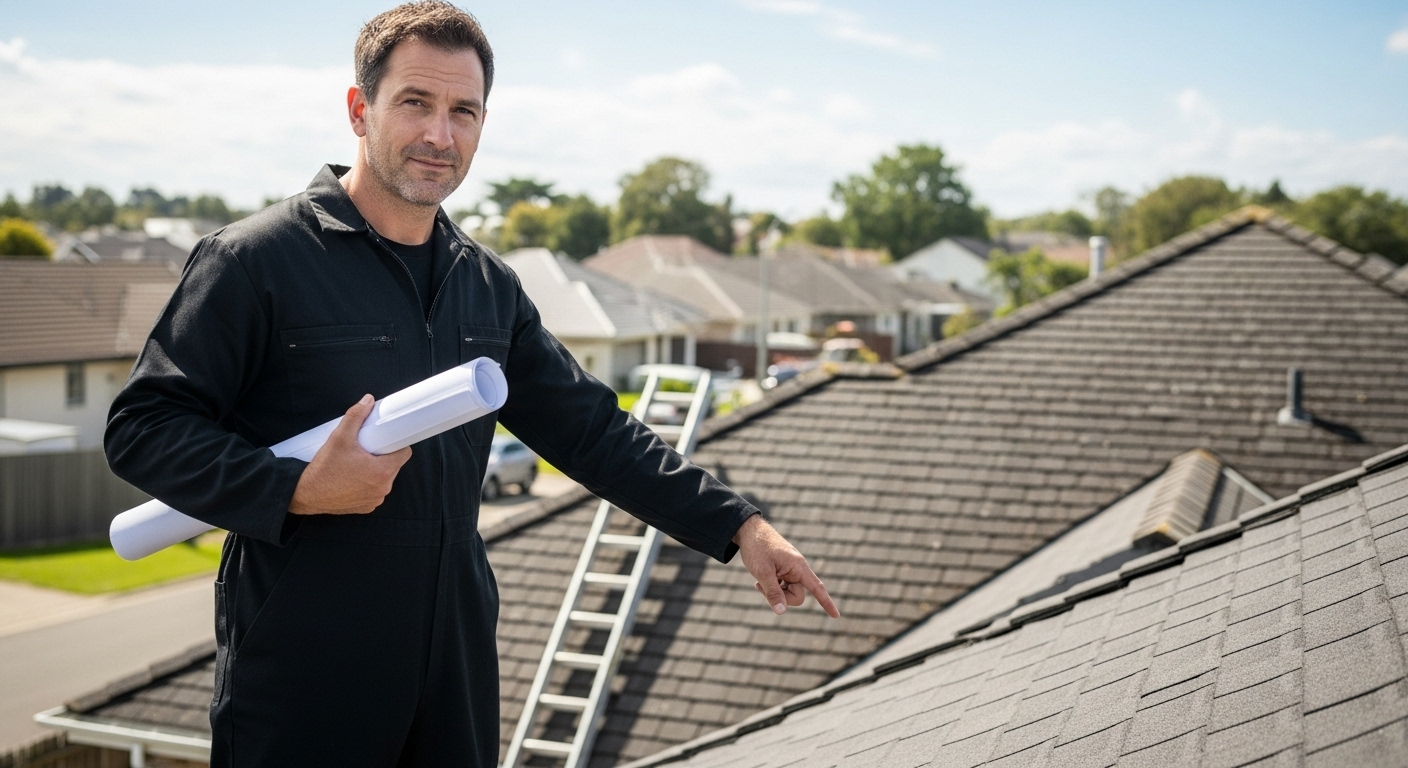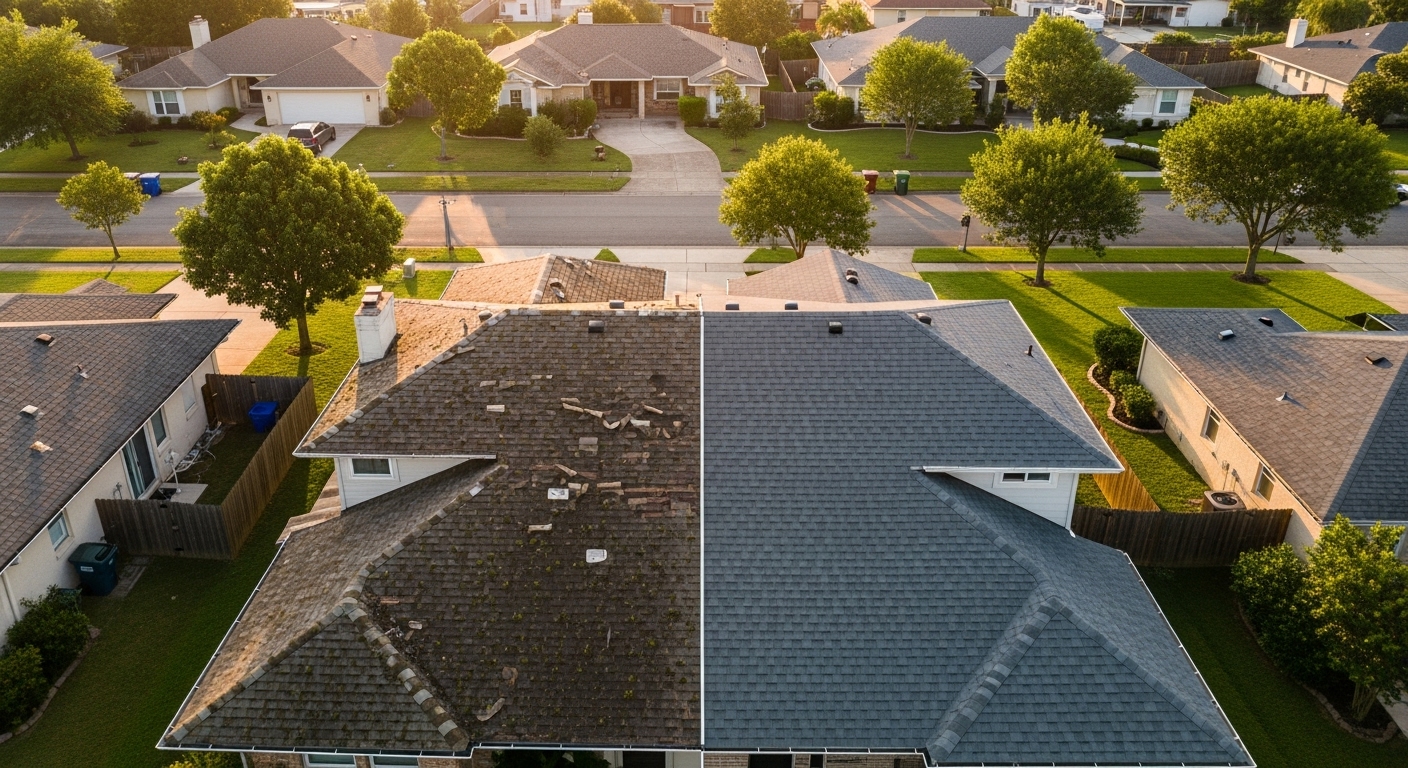
When you’ve been around homes long enough, you learn that a roof is never just a roof. It’s a long-term shield that quietly protects everything underneath it—your structure, your comfort, and even how well your heating system performs. Many homeowners wait until visible damage forces action, but by then the roof has often been underperforming for years. Choosing a roof replacement at the right time is one of the most effective ways to protect your home for the long run. Aging roofing materials gradually lose their ability to block moisture and regulate temperature. Small gaps form, insulation becomes less effective, and ventilation can fall out of balance. These changes rarely cause instant problems, which is why they’re easy to overlook. But over time, they affect how your entire home functions, especially during colder months when heating systems are working hardest.
How Roofing Impacts Comfort and Heating Efficiency
One of the most overlooked effects of an aging roof is heat loss. Warm air naturally rises, and when the roof above it is compromised, that heat escapes faster than it should. Homeowners often notice rooms that never feel evenly warm or heating systems that seem to run longer than usual. In many cases, the issue isn’t the heater itself—it’s the roof no longer holding warmth inside. Moisture intrusion makes things worse. Even minor leaks can dampen insulation, drastically reducing its ability to retain heat. Once insulation is affected, heating systems must compensate, working harder to maintain comfortable temperatures. Over time, this added strain can impact performance, consistency, and overall comfort. Addressing the root cause with a roof replacement helps restore that protective barrier and allows heating systems to function as intended. There’s also the matter of long-term durability. Repeated repairs may handle symptoms, but they don’t reset the roof’s age or condition. As materials continue to degrade, repairs become more frequent and less effective. Replacing the roof brings stability back to the entire system, reducing the risk of seasonal surprises and improving energy control throughout the home. A strong roof also supports healthier indoor conditions. Proper ventilation helps manage moisture levels, reduces condensation, and prevents trapped heat from damaging attic spaces. When roofing, insulation, and ventilation work together, your home stays more consistent, more comfortable, and better protected year after year.
Frequently Asked Questions
How does a new roof help protect my home long-term?
A new roof restores structural protection, improves insulation performance, and helps regulate indoor temperatures more consistently.
Can roof problems affect heating even if there are no leaks?
Yes. Heat can escape through worn materials and gaps long before visible leaks appear, reducing heating efficiency.
Is it better to replace a roof before major damage shows?
Replacing earlier helps prevent hidden moisture damage, insulation issues, and added strain on heating systems.
Will a roof replacement improve overall comfort?
Most homeowners notice more stable indoor temperatures and fewer drafts once the roof is performing properly again.
Protecting your home long-term starts with smart timing. If your roof is aging or your home struggles to stay comfortable, it may be time to plan a roof replacement. Acting now helps preserve your structure, supports your heating system, and gives you peace of mind knowing your home is prepared for the years ahead.