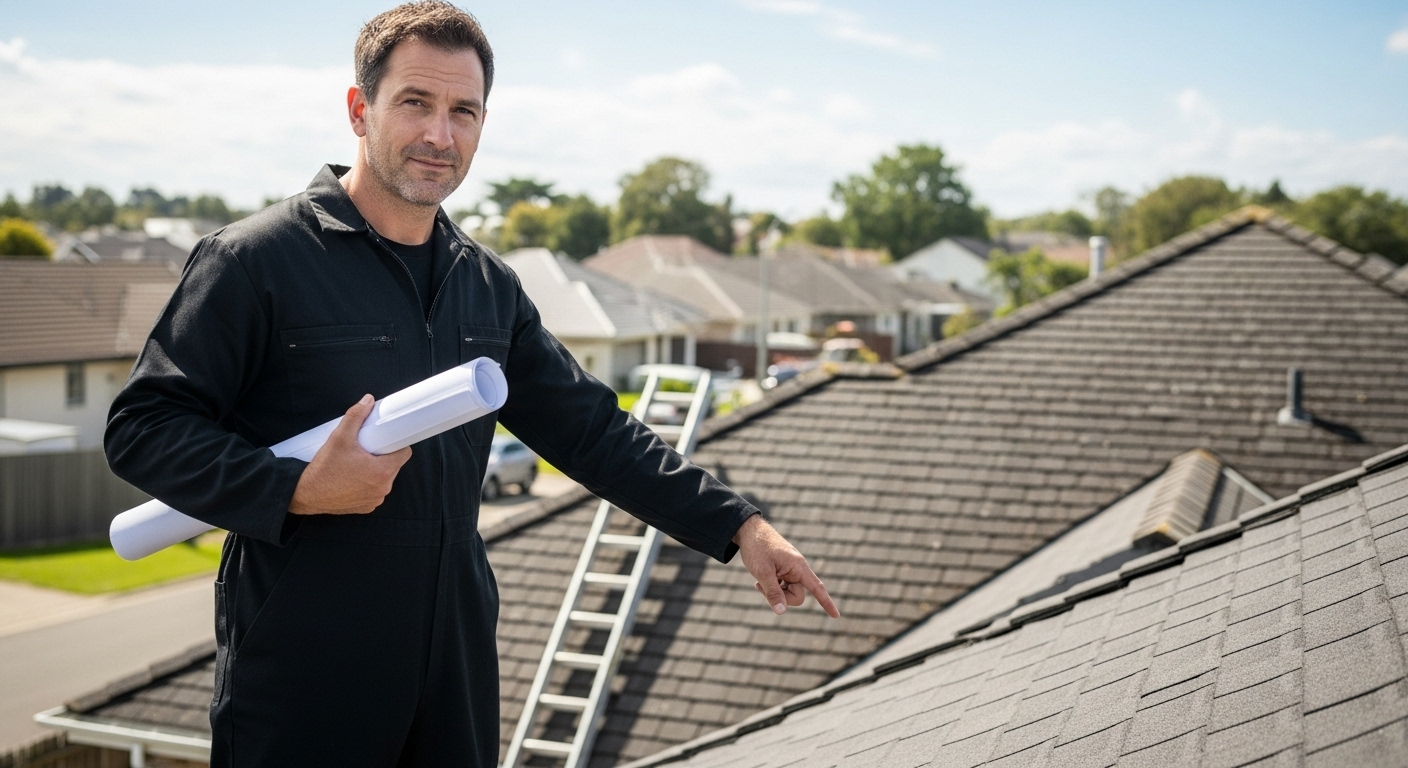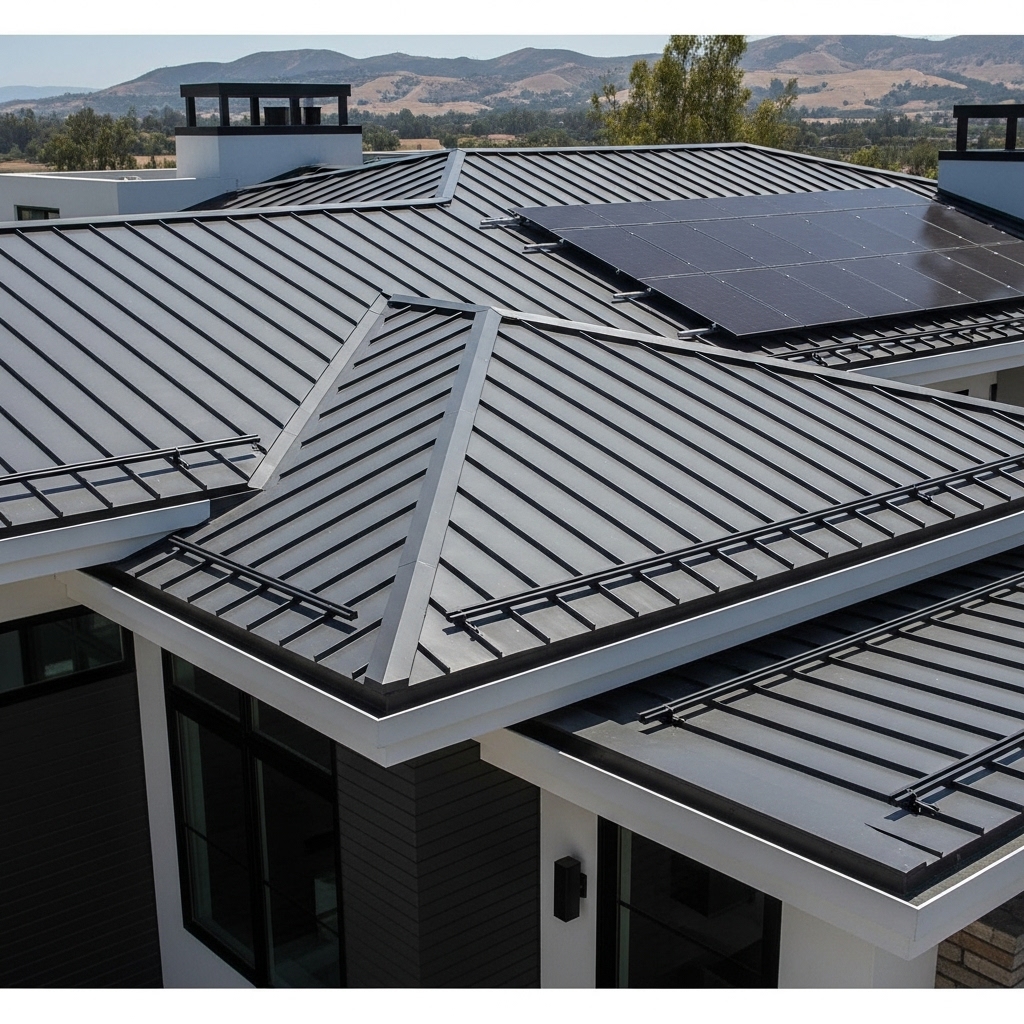
Standing seam metal roofing has become the signature look for many Woodland Hills neighborhoods, from remodeled ranches along the flats to hillside contemporaries that catch panoramic sunsets. The vertical ribs, concealed fasteners, and crisp shadow lines offer a tailored appearance—and the performance to match our climate. If you’re exploring metal roofing and want that refined standing seam finish, understanding your options will help you choose a system that stays watertight, cool, and quiet through years of Valley heat and seasonal winds.
What Makes Standing Seam Different
Unlike exposed fastener panels, standing seam hides its anchors beneath overlapping ribs. The result is a clean, continuous surface with fewer potential entry points for water. Panels lock together either by snapping into place or by being mechanically seamed. This design accommodates the metal’s natural expansion and contraction with temperature shifts—an important factor in Woodland Hills, where afternoons can run hot and nights cool swiftly. When detailed correctly, standing seam delivers outstanding weather resistance, sleek aesthetics, and straightforward solar integration.
Snap-Lock vs. Mechanically Seamed
Most residential projects use one of two seam types. Snap-lock panels click together along their edges and are ideal for steeper roofs where water sheds quickly. They offer a refined look with efficient installation. Mechanically seamed panels are folded or “rolled” together after placement, creating a near monolithic connection that excels on lower slopes and in wind-driven rain. Both systems benefit from clips or fastening strategies that permit movement without stress. Your roof’s pitch, geometry, and exposure will guide which seam style fits best.
Panel Width, Rib Height, and Oil-Canning
Standing seam panels come in various widths and rib heights. Narrower panels with taller ribs emphasize vertical rhythm and can reduce the risk of visible waviness on large, sunlit planes. Wider panels create fewer seams and a more minimalist look but may require thicker metal or backer plates to stay visually flat under intense sun. In Woodland Hills, where light is strong and persistent, discussing panel width and thickness in tandem helps your roof present cleanly from every angle.
Metal Choices: Steel and Aluminum Lead the Way
Steel remains the go-to for many standing seam roofs due to its rigidity and broad color selection. Aluminum performs especially well on longer runs or complex geometries because of its light weight and graceful handling of thermal movement. Both accept high-performance coatings with reflective pigments suited to our heat. Choose the base metal that fits your roof’s span, slope, and design language, then pair it with a coating engineered for color stability and thermal performance.
Cool Roof Coatings and Color Strategy
Coatings are where performance and aesthetics converge. High-reflectance finishes reduce heat gain, keeping attics cooler during peak hours. Pale grays, off-whites, and light earth tones offer top reflectance, while modern darker hues can still perform well when formulated with infrared-reflective pigments. Because Woodland Hills homes often have expansive south- and west-facing slopes, carefully weighing color versus reflectance is worth the time. A well-chosen finish can show off architecture and support comfort without compromise.
Underlayments, Insulation, and Ventilation
The best standing seam roofs owe as much to what you don’t see as what you do. High-temperature-rated synthetic underlayments remain stable on hot days, and self-adhered membranes in valleys and eaves add redundancy where water and wind test the system most. Balanced attic ventilation—soffit intake and ridge exhaust—helps regulate heat and moisture, supporting finish longevity and indoor comfort. On certain designs, adding a vented nail base or creating an airflow channel under panels further moderates heat transfer.
Clips, Fasteners, and Thermal Movement
Standing seam systems rely on clips or nail strips to secure panels while allowing movement. The choice depends on seam type, panel length, and expected thermal cycling. In our microclimate, with warm days and cool nights, accommodating expansion and contraction is nonnegotiable. Clips spaced to manufacturer guidelines, fasteners designed for longevity, and detailed attention at terminations—like ridge and eave—ensure your seams stay tight without stress-induced distortion over time.
Edges, Valleys, and Penetration Details
Water concentrates at transitions, which is why standing seam success hinges on edges and penetrations. Hemmed panel edges at eaves, kick-out flashings at walls, and robust valley assemblies steer water away from vulnerable points. Around skylights, chimneys, and vents, layered flashings create safe pathways for runoff. When Santa Ana winds push rain sideways, these details prove their worth. It’s precise, quiet craftsmanship that you’ll hardly notice—because it simply works.
Solar Integration: A Natural Pairing
Standing seam is a favorite for solar because clamp-on attachments grip ribs without penetrating panels. That means fewer paths for water and no need to disturb the roof if you update or service your array. Planning conduit routes, inverter locations, and clearances during the roofing phase streamlines later work. Metal’s service life aligns with solar hardware, so you aren’t faced with replacing a roof midway through your panels’ lifespan.
Noise, Comfort, and Everyday Living
A well-built standing seam roof is quiet. The solid deck, resilient underlayment, and attic insulation dampen sound from rain and wind. Proper fastening eliminates the vibrations that sometimes give metal an unfair reputation. Many homeowners remark that their homes sound calmer after the upgrade—proof that assembly design matters as much as material choice.
Choosing Profiles to Match Architecture
From mid-century ranches to new contemporary builds, standing seam adapts. Narrow panels with taller ribs complement modern lines, while slightly wider panels can balance traditional facades. Color plays a role, too. Soft grays and sand tones blend with Woodland Hills’ landscape; deep bronzes and charcoals offer dramatic contrast against stucco and stone. Sample panels on site in natural light to see how your roof will read morning to evening.
Installation Rhythm and Seasonal Timing
In the Valley’s summer heat, experienced crews begin early, manage material temperatures carefully, and secure loose items when winds pick up. Clear staging plans matter on hillside lots where access is tight. With a good schedule and open communication, standing seam installations proceed efficiently, keeping your property tidy and daily life predictable. Inspections and approvals fit naturally into this rhythm when documentation is complete and details follow code.
Maintenance: Light but Meaningful
Standing seam roofs ask for minimal upkeep. Keep gutters clear, rinse panels to remove dust and pollen, and check trims and penetrations seasonally. Because fasteners are concealed and protected from sun and weather, the system avoids many of the touch-ups common to exposed fastener roofs. When maintenance is this straightforward, the roof’s clean look and performance stay consistent year after year.
Frequently Asked Questions
Which seam type suits my roof pitch?
Steeper roofs often pair well with snap-lock profiles for their efficiency and crisp appearance. Lower slopes or areas exposed to wind-driven rain typically benefit from mechanically seamed panels for maximum watertightness.
Will standing seam work with my solar plans?
Yes. Clamp-on attachments grip the seams without penetrating panels, simplifying installation and maintenance. Planning attachment spacing and conduit routes during the roofing phase keeps the system neat and secure.
Are darker colors a problem in our heat?
Not if you choose coatings formulated with infrared-reflective pigments. While lighter colors offer the highest reflectance, modern finishes let deeper hues perform better than you might expect in Woodland Hills’ sun.
How do you control oil-canning on large roof planes?
Panel thickness, width, rib height, and backer plates all help. Selecting a gauge that adds stiffness, narrowing panel width on big exposures, and installing with proper clips and spacing minimizes visible waviness.
Will a standing seam roof be noisy?
With a solid deck, quality underlayment, and good fastening, standing seam roofs are typically quiet. Attic insulation further dampens sound. Many homeowners notice an overall reduction in outdoor noise after installation.
Can standing seam be used on complex rooflines?
Absolutely. Skilled detailing at valleys, hips, and penetrations allows standing seam to navigate intricate geometries while maintaining watertightness and clean aesthetics.
If you’re ready to see how standing seam can elevate your home’s look and performance—while staying cool, resilient, and solar-ready—talk with a local team that lives and breathes this system. Walk through panel widths, seam types, and color options on site, and compare finishes in natural light. To plan your upgrade with confidence and craftsmanship, explore the possibilities of metal roofing and schedule a consultation to map out the best fit for your Woodland Hills home.