Drive any stretch from Ventura Boulevard up toward Topanga and you’ll notice homes that have embraced the sleek lines and enduring character of metal roofs. In Woodland Hills, performance isn’t a luxury—it’s a necessity. Our summers bake, Santa Ana winds whip through the canyons, and the occasional storm tests every seam and flashing. Choosing the right metal roofing material is about matching chemistry, coating, and craft to our local conditions. If you’re weighing your options for metal roofing, here’s how to think like a local expert and select a system that works as hard as it looks.
Understanding the Metals: More Than a Color Card
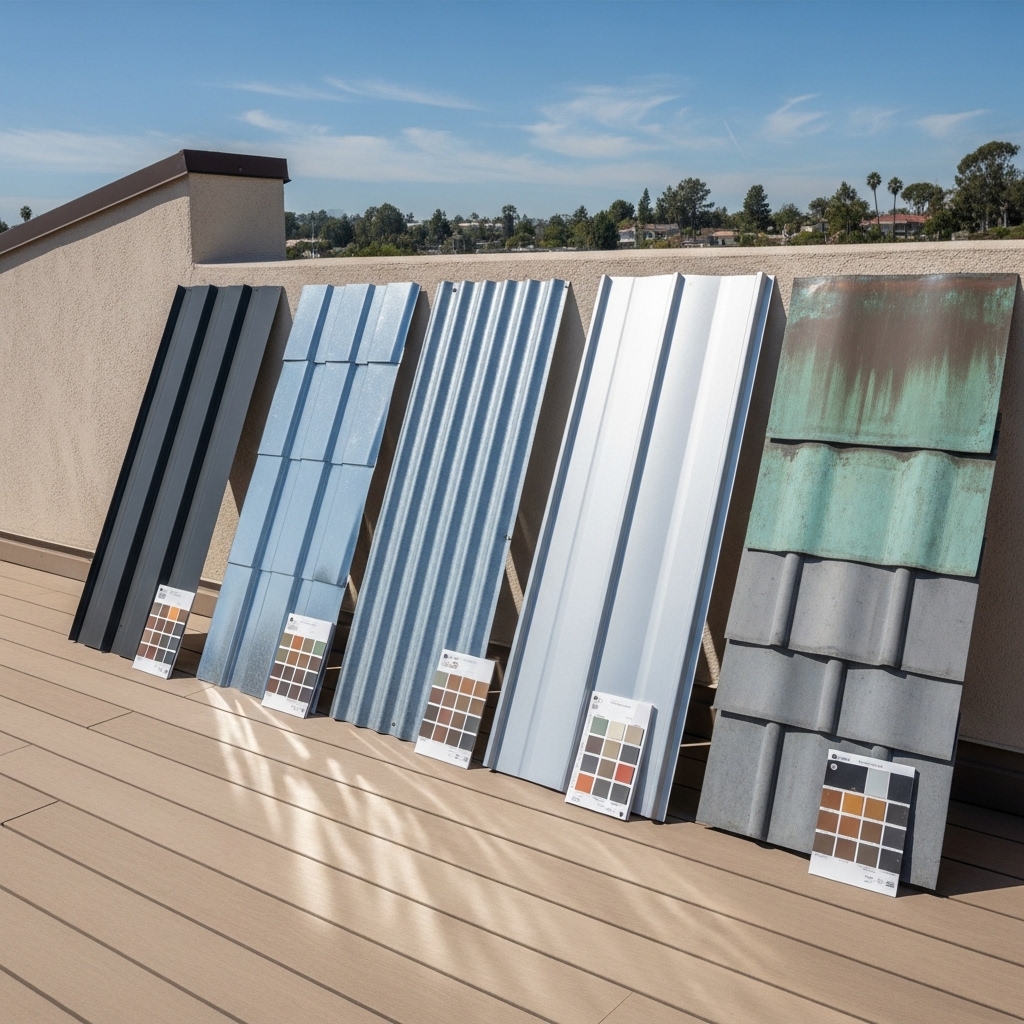
When people say “metal roof,” they’re often thinking of steel, but the category also includes aluminum, zinc, and copper. Each metal brings distinct strengths. Steel, the most common for residential work, balances rigidity and value, especially in standing seam and ribbed profiles. Aluminum resists corrosion exceptionally well, making it popular closer to the coast, though many Woodland Hills homes choose steel because we’re inland and benefit from its structural stability. Zinc and copper are specialty choices that develop patina and can last for generations when detailed properly. The best material for you depends on roof geometry, desired look, and how you prioritize longevity, maintenance, and environmental impact.
Why Coatings Are the Quiet Engine of Performance
From the street you notice color; on your utility bills you notice the coating. Modern finishes use advanced pigments that reflect a significant portion of solar energy, even in richer tones. In Woodland Hills, choosing a high-reflectance, high-emissivity finish helps keep attic temperatures in check during heat waves. These coatings also provide the first line of defense against UV exposure, preventing chalking and fading. Beyond aesthetics, finish chemistry protects the base metal from the environment, extending the service life of your roof as it endures hot days, cool nights, and seasonal winds.
Steel in the Valley: Substrates and Gauge
Residential steel panels typically start with a protective substrate—galvanized or an aluminum-zinc alloy—before receiving their color coat. The substrate improves corrosion resistance, while panel thickness (often referred to as gauge) influences stiffness and appearance. Thicker panels resist oil-canning on broad, sunlit exposures, a common design consideration in our bright climate. For homes with large, unbroken roof planes, stepping up panel rigidity can maintain clean lines over time. Pairing the right thickness with clips or fastening patterns designed for thermal movement prevents stress at seams as temperatures swing between dawn and late afternoon.
Aluminum’s Strengths in a Hot, Dry Microclimate
Even though Woodland Hills is inland, aluminum remains a compelling option for certain designs. Its natural corrosion resistance, light weight, and compatibility with reflective coatings make it a strong performer on complex or low-slope roofs where weight and long panels come into play. When paired with mechanically seamed standing seam profiles, aluminum provides dependable watertightness. It also handles thermal expansion gracefully, which is helpful on long runs where temperature changes are pronounced. If your architecture leans modern with long, gentle planes, aluminum can be a smart match.
Zinc and Copper: Architectural Statements With Staying Power
Zinc and copper roofs are as much about artistry as engineering. Both metals form protective patinas that self-heal minor scratches and weather beautifully. In Woodland Hills, they offer a warm counterpoint to stucco, stone, and wood accents common to our neighborhoods. Expert detailing is essential—particularly at transitions, valleys, and vent penetrations—to allow for movement and prevent trapped moisture. While these metals are specialty selections, their longevity and distinctive character can elevate a home’s architecture in ways few materials can match.
Standing Seam vs. Exposed Fastener Profiles
The profile you select will influence material choice and installation approach. Standing seam systems feature concealed fasteners and vertical ribs, delivering a crisp, contemporary appearance and exceptional weathering. They accommodate thermal movement effectively and pair well with solar. Exposed fastener systems, including ribbed and corrugated panels, align with more traditional or rustic aesthetics and can highlight texture on smaller roof sections or outbuildings. Both approaches can excel in Woodland Hills when detailed correctly with the right underlayment, closures, and trims tailored to our wind and heat.
Cool Roof Considerations and Local Codes
Energy codes in our region emphasize cool roof performance. Look for finishes with strong solar reflectance and emissivity metrics that help attics run cooler during peak summer. On south- and west-facing slopes, high-reflectance colors make a noticeable difference in late afternoon comfort. Coupled with balanced attic ventilation—ample intake at soffits and ridge exhaust—these finishes contribute to a comprehensive strategy that helps your home stay comfortable even when temperatures push toward triple digits.
Underlayments Built for Heat
Underlayments are the unsung heroes beneath metal. In Woodland Hills, elevated rooftop temperatures call for high-temperature-rated synthetics. Self-adhered membranes placed in valleys, at eaves, and around penetrations add redundant protection where water can collect or wind can drive rain against the grain. The combination of a resilient underlayment and a properly ventilated attic reduces the risk of condensation and helps the roof assembly age gracefully despite the demands of our microclimate.
Ventilation and Assembly Design
Performance isn’t only about the panel on top; it’s about how the whole assembly breathes. Ridge vents paired with adequate soffit intake allow heat and moisture to escape naturally. In some designs, adding a vented nail base or using battens to create an air space under panels further moderates heat transfer. Homes tucked into the hills with limited breezes can benefit from this additional venting layer. When your roof can shed heat and moisture, coatings last longer, and interior comfort is easier to maintain across seasons.
Details at Edges and Penetrations
Water moves where gravity, wind, and surface tension send it. Clean eave and gable trims, hemmed panel edges, and engineered closures block wind-driven rain and pests. Around skylights, chimneys, and vents, layered flashings and boot assemblies create a controlled path for water to exit. These details might not show up on a color sample, but they’re the reason a roof stays tight year after year. In Woodland Hills, where sudden gusts can push rain sideways, those details earn their keep.
Acoustics and Everyday Comfort
A common misconception is that metal roofs are noisy. In truth, a steel or aluminum system installed over a solid deck with quality underlayment and attic insulation is often quieter than what it replaces. The assembly absorbs the sound of rain, and secure fastening eliminates movement that could rattle under wind. If you crave extra quiet—say, in a home office or nursery—strategic use of sound-dampening underlayments can add another layer of calm without altering exterior aesthetics.
Solar-Ready Roofs
Woodland Hills homeowners are increasingly pairing metal roofs with solar. Standing seam panels accept clamp-on attachments that avoid penetrating the roof surface, while other profiles use engineered brackets and flashings. Planning conduit routes and service clearances during the roofing phase streamlines future solar work and preserves the integrity of the weatherproofing. Metal’s long service life aligns naturally with the lifespan of solar equipment, reducing the chance you’ll need to disturb panels to replace the roof.
Maintenance and Longevity
One of metal roofing’s most appealing traits is how straightforward maintenance can be. A seasonal rinse to remove dust, gutters kept clear of leaves from hillside trees, and occasional inspections of trims and penetrations are usually sufficient. Coatings designed for UV resistance help color and gloss remain stable in our sun, and proper ventilation reduces thermal cycling stress. Over time, that translates into a roof that continues to look and perform at a high level without demanding constant attention.
Choosing a Team With Local Knowledge
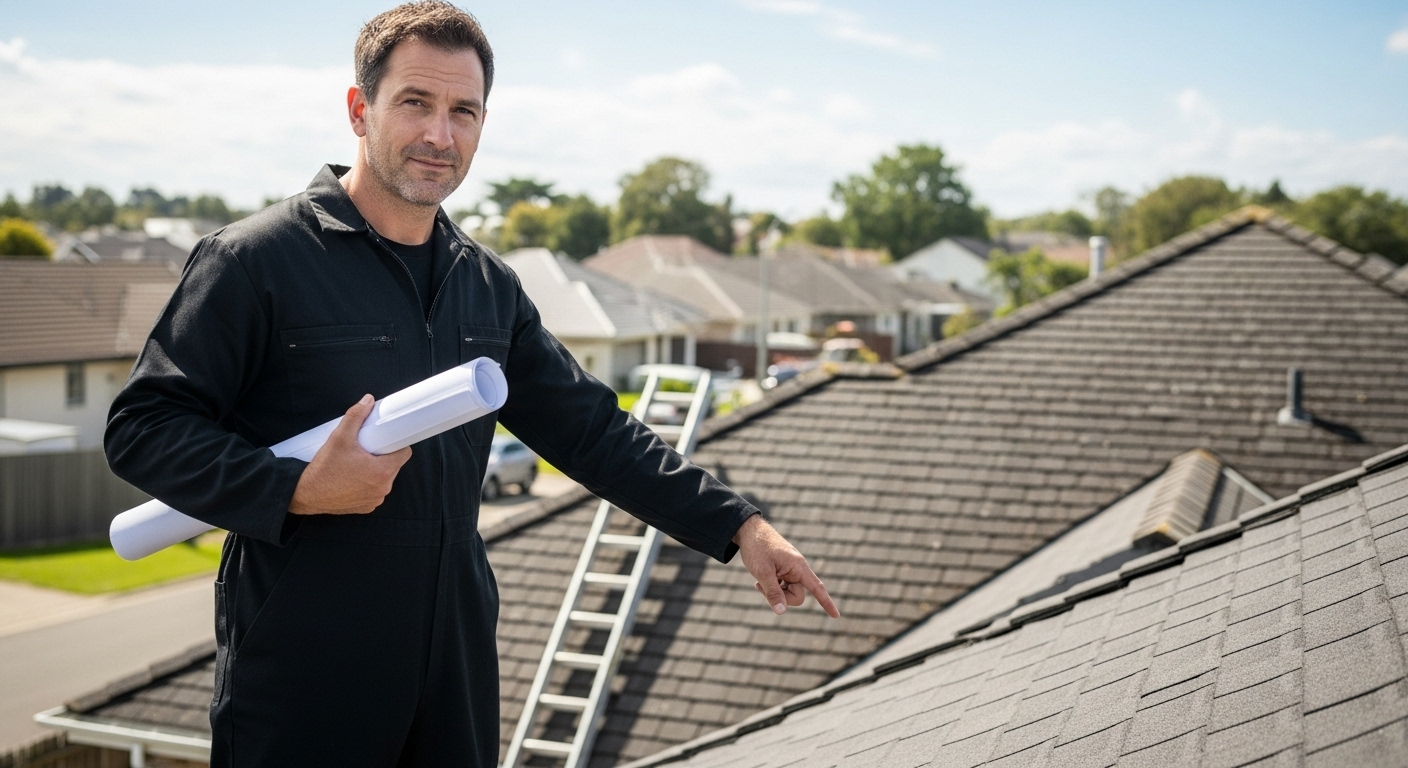
Materials excel when they’re matched to site conditions and installed with care. Local experience matters: crews familiar with hillside access, hot-weather scheduling, and wind-secure staging work efficiently and safely. They know the details that pass inspection, satisfy energy requirements, and protect your home through Santa Ana events. The right partner will guide you through panel selection, finish performance, underlayment strategy, and ventilation design so each component plays its part.
Frequently Asked Questions
Which metal is best for Woodland Hills homes?
Steel is the most common choice due to its rigidity and broad profile options, but aluminum performs beautifully on complex or low-slope designs. Zinc and copper are premium options offering distinctive aesthetics and long-term durability when expertly detailed.
Will a metal roof make my home hotter?
No. With reflective coatings and balanced ventilation, metal roofs can help reduce attic temperatures during peak heat. Selecting high-reflectance finishes on sun-exposed slopes is particularly effective in our climate.
How do coatings hold up under intense sun?
Premium finishes use advanced pigments that resist UV degradation and retain color and gloss over time. Choosing finishes rated for reflectance and fade resistance is key for enduring Valley sunshine.
Are metal roofs loud in rain or wind?
Installed over a solid deck with quality underlayment, metal roofs are typically quiet. Proper fastening eliminates movement that could cause noise, and attic insulation further dampens sound.
Can I add solar panels later without issues?
Yes. Planning attachment points and conduit pathways during the roofing project simplifies future solar. Standing seam systems are especially solar-friendly with clamp-on attachments.
Do metal roofs rust?
Modern steel panels include protective substrates and finishes that resist corrosion. Aluminum, zinc, and copper have their own corrosion-resistant properties. Correct detailing and maintenance safeguard edges and penetrations where water might linger.
If you’re ready to evaluate material options, color performance, and assembly strategies tailored to your home, start a conversation with a local pro who understands our microclimate. Explore current installations, touch sample panels, and compare finishes in natural light. When you want a streamlined path to durable, attractive results, consider partnering with a team experienced in metal roofing and schedule a site visit to map your next steps. For a roof that performs beautifully and looks right at home in Woodland Hills, the right materials and the right crew make all the difference.