Understanding Tarzana’s Climate and Why Materials Matter
When you live and work in Tarzana, you come to respect the rhythm of the San Fernando Valley. The long, sun-soaked summers, the intermittent winter rains, and the Santa Ana winds shape not only our weekends and commutes but also the way our homes perform. Roofing, in particular, bears the brunt of that heat and those gusts. As a local roofing expert, I’ve learned that choosing the right eco-friendly materials is not just about looking good on paper; it’s about matching the science of reflectivity, thermal mass, and fire resistance with the reality of our microclimates, tree cover, and canyon breezes. A roof that keeps a Woodland Hills-adjacent cul-de-sac comfortable might need a slightly different specification for a shaded street closer to the foothills, even within the same ZIP code. That’s why material selection in Tarzana must be as nuanced as our landscape.
In the push to build greener, it’s helpful to think of the roof as a system rather than a single product. The outer surface, the underlayment, the attic insulation, and the ventilation all collaborate to keep heat out during triple-digit spells and to protect the structure during rainy stretches. Early decisions pay dividends for decades, especially when we choose components that meet California’s Title 24 cool-roof standards and the strict fire ratings that are increasingly essential in our wildland–urban interface. If you’re at the beginning of your research, this is a great moment to explore green eco-friendly roofing options and see how they align with the way your Tarzana home responds to the seasons.
Cool Roof Shingles and Reflective Coatings
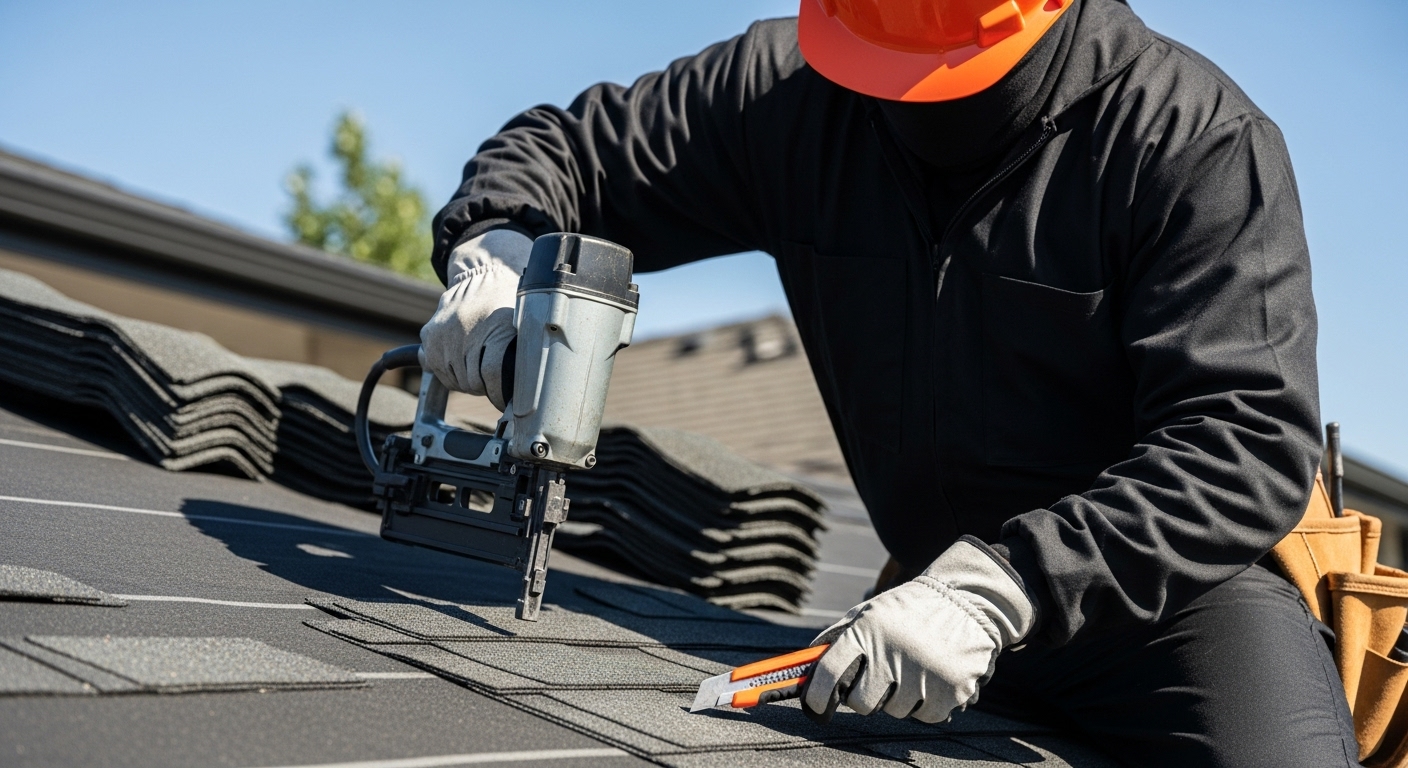
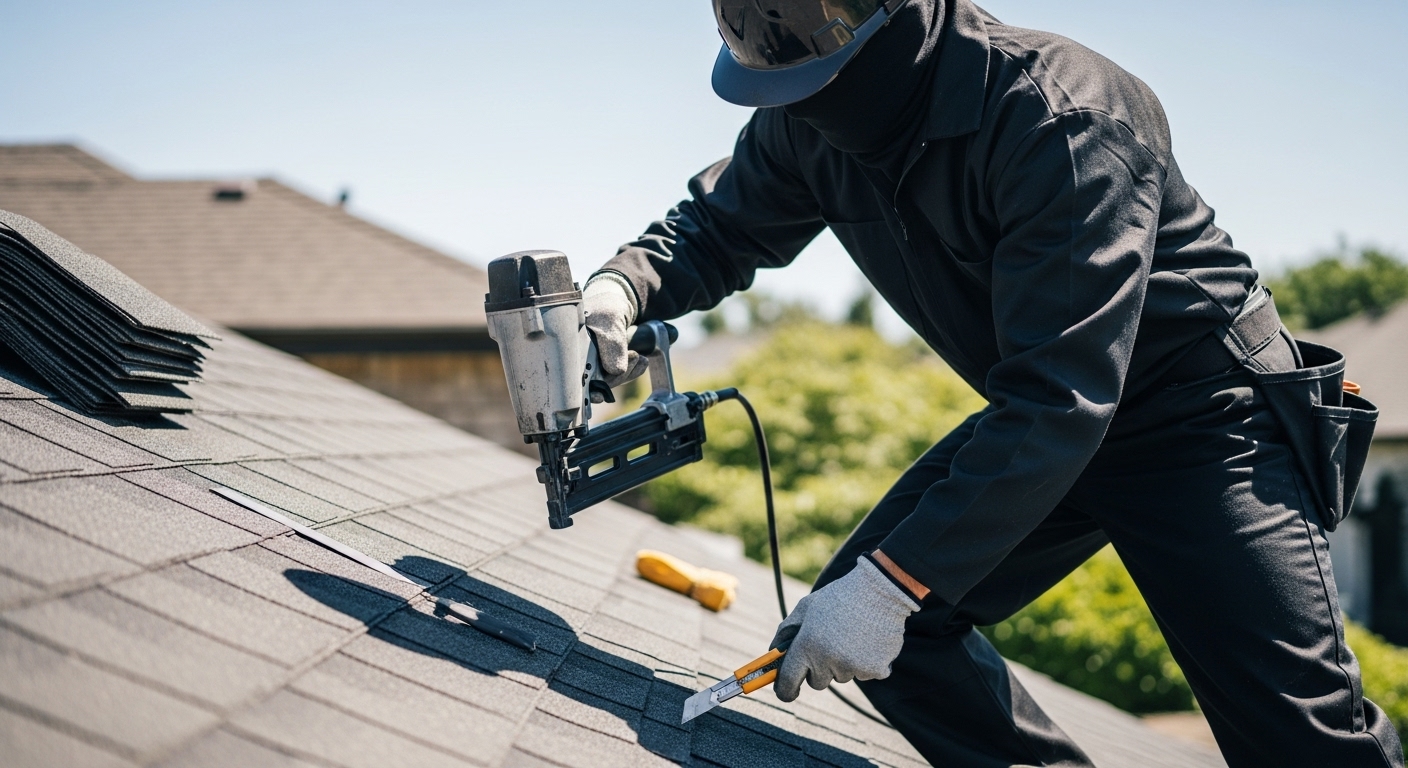
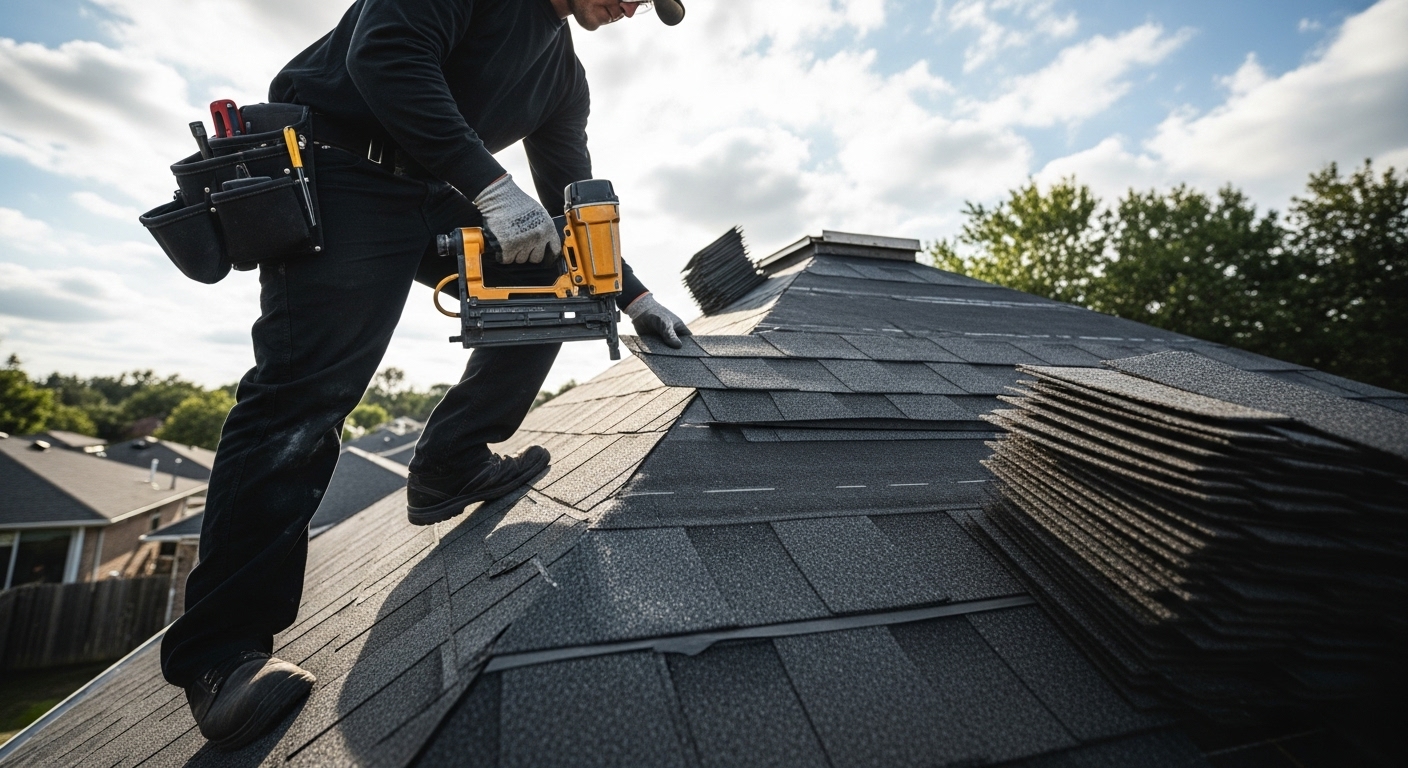
One of the most accessible eco-friendly upgrades for sloped roofs in Tarzana is the cool roof asphalt shingle. At first glance, these shingles look like standard architectural products. Their real advantage lies in the granules. High solar reflectance works alongside strong thermal emittance to repel solar energy and release absorbed heat.
In Valley conditions, this combination keeps attic spaces noticeably cooler during extreme afternoons. As a result, air conditioning systems work less aggressively, and indoor comfort stays more consistent. Modern formulations also expand design options. Today’s cool shingles come in warm grays and earthy browns that suit Spanish, ranch, and contemporary homes found from Ventura Boulevard to the hillside neighborhoods.
For roofs that still have usable life, reflective coating systems offer another practical upgrade. These coatings improve thermal performance without changing the home’s appearance. They work best on lighter-colored shingles and provide measurable benefits when applied correctly.
Preparation determines whether coatings deliver real value. Crews must clean the surface, repair defects, and detail penetrations carefully. This process allows the coating to bond evenly and perform as intended. In Tarzana, we pay close attention to eave edges where winds can lift material. We also focus on valleys where leaves from jacarandas and oaks tend to collect. A well-prepped coating can extend roof life and improve summer comfort in a way homeowners feel immediately.
Metal Roofing That Keeps Its Cool
Metal roofing has become a popular choice for eco-minded homeowners across the Valley. Standing-seam panels and metal shingles perform especially well when finished with high-SRI coatings. These surfaces reflect solar radiation efficiently and release heat quickly after sunset.
Modern metal systems differ greatly from older designs. Today’s assemblies include sound-dampening layers and thermal breaks that control noise and heat transfer. In Tarzana’s foothill areas, where wind funnels through canyons, standing-seam systems add valuable resistance. The noncombustible surface also supports ember protection during dry, windy conditions.
Longevity is another advantage. Metal roofs often last several decades, which reduces future tear-offs and material waste. That durability supports sustainability in a quiet but meaningful way.
Design flexibility surprises many homeowners. Matte finishes and low-gloss coatings limit glare in bright neighborhoods. Earth-tone colors help metal blend with stucco, stone, and wood siding. When installed over a ventilated assembly, metal roofs perform even better. Continuous airflow beneath the panels reduces heat transfer into the attic and improves overall efficiency.
Clay and Concrete Tile: Thermal Mass, Beauty, and Fire Resistance
Clay and concrete tile remain staples of Tarzana architecture for good reason. These materials provide significant thermal mass that moderates temperature swings. During the hottest hours, tile absorbs heat slowly. After sunset, it releases that warmth into cooler evening air.
This daily rhythm aligns well with Valley conditions. Tile systems also sit on battens, which create airflow beneath the surface. That air gap disperses heat instead of driving it into the roof deck. In wildfire-prone areas, tile offers another benefit. Its noncombustible nature adds protection when embers travel.
Proper detailing makes the difference. Screened eaves, closed ridges, and fire-tested underlayments transform tile from a visual choice into a high-performing system. Cool-rated tile options now include reflective pigments that meet energy goals without sacrificing traditional style. Maintenance remains simple and manageable. Keeping valleys clear and replacing cracked tiles preserves performance and curb appeal over time.
Solar-Ready and Solar-Integrated Options
Solar pairs naturally with eco-friendly roofing in Tarzana. Roof replacement offers the ideal moment to plan for solar integration. Thoughtful layouts include solar-ready underlayment paths, defined attachment points, and clean conduit routes.
Some homeowners choose solar-integrated shingles or tiles that combine power generation with weather protection. Others prefer a cool roof paired with traditional panels mounted above the surface. Elevated panels allow airflow, which helps modules run cooler and more efficiently. In every case, the roof system should match or exceed the expected lifespan of the solar equipment.
Coordination between roofing and solar teams is essential. Joint planning avoids shaded areas created by mature trees along streets like Ventura and Reseda. Proper layout also ensures mounts land on structural framing. Clean wire management and defined service paths protect both systems during future maintenance.
High-Performance Flat Roof Membranes for ADUs and Additions
Many Tarzana homes include flat or low-slope sections over additions, garages, or ADUs. On these surfaces, single-ply membranes such as TPO and PVC shine with high reflectivity, welded seams, and reliable performance in ponding-prone spots. White or light-gray membranes help keep interior spaces comfortable, and the smooth finish makes seasonal cleaning efficient after wind events. Modified bitumen, with a cool-cap sheet, is another dependable option that pairs well with complex flashing conditions around skylights and parapet walls. When installed with tapered insulation, these systems resolve drainage issues that otherwise lead to premature aging and heat-driven deterioration.
Because flat roofs are often out of sight, design details like walk pads around mechanical equipment, edge metal that resists uplift, and reinforced corners make a quiet but noticeable difference. In the middle of a Tarzana summer, small choices like specifying a higher reflectance membrane or a thicker foam board can affect how an attached office or studio feels at 3 p.m., turning a sweltering space into one that stays productive and pleasant.
Underlayments, Insulation, and Attic Ventilation
The roof covering gets the glory, but the invisible layers may be the real heroes in a green system. Synthetic underlayments with high temperature ratings hold up under hot decks, while self-adhered membranes at eaves and valleys provide secondary water defense during our heaviest rains. In the attic, continuous insulation, sealed penetrations, and balanced intake and exhaust ventilation stabilize temperatures, reduce radiant heat spillover, and protect the roof deck. Ridge vents paired with adequately sized soffit intake encourage convective airflow that sweeps out superheated attic air before it sneaks into living rooms and bedrooms.
These details form the “middle” of a green roofing sandwich, and they are where many projects either leap ahead or fall short. In our practice across Tarzana, we integrate insulation values with roofing choices so the system works as a whole. If you’re mapping your options, it helps to review green eco-friendly roofing services that explain how underlayments, venting, and the outer surface align with local codes and comfort goals, especially when you’re converting a garage to a conditioned ADU or refreshing a top-floor bedroom suite.
Living Green Roofs in a Drought-Conscious City
Vegetated roofs can be a beautiful, functional way to add thermal buffering, stormwater moderation, and habitat. In Tarzana, the key is drought-appropriate plant selection and efficient irrigation. Lightweight, extensive green roofs with succulents and native groundcovers can provide meaningful temperature moderation without excessive water demand. The layered assembly—root barrier, drainage, filter fabric, and engineered media—adds complexity, so these systems are best on structures designed or evaluated for the additional load. When installed thoughtfully, a green roof becomes part of your home’s landscape story, attracting pollinators and softening the look of flat roof sections that might otherwise feel purely utilitarian.
Maintenance centers on seasonal checks of drainage and quick replacement of any struggling plant sections. During heat waves, sensor-driven irrigation that delivers precise amounts of water preserves both the landscape and the environmental intent. It’s a powerful example of how green roofing in Tarzana isn’t one-size-fits-all; it’s local, adaptive, and mindful of resources.
Fire Readiness and Code Compliance
Wildfire awareness is part of living in Southern California, and roofing is on the front line of home hardening. Materials with Class A fire ratings, ember-resistant vent screens, and fully closed eaves build a robust defense. Tile roofs should include bird stops to close gaps, and metal roofs benefit from sealed perimeters that deny embers a path under panels. Cool-rated products that meet California energy codes can co-exist with these fire-wise strategies, giving you both resilience and efficiency. Working within Los Angeles County and city jurisdictions, permits and inspections verify that assemblies align with current standards, a safeguard that serves the neighborhood as much as the individual homeowner.
During design, think about overhanging branches that could drop litter on the roof during Santa Ana events, and choose gutter guards that reduce the buildup of combustible debris without restricting the flow during downpours. These small choices compound into meaningful risk reduction across a community.
Style, Neighborhood Character, and Long-Term Value
Eco-friendly doesn’t have to read as futuristic. In Tarzana, where architecture spans mid-century, Spanish, and modern infill, the best green roofing materials respect each home’s language. A cool gray shingle with subtle shadow lines can echo cedar shakes without the maintenance; a low-gloss standing seam panel in a soft bronze can warm a contemporary façade; a cool-rated S-profile tile can keep the Mediterranean look while quietly improving performance. Across all these options, durability is a value multiplier. When a roof performs for decades with minimal intervention, you avoid resource-intensive tear-offs and keep materials out of landfills, an environmental benefit that aligns with the way many Tarzana families think about stewardship.
Equally important is how a roof feels to live under. Bedrooms that stay calmer during heat spikes, home offices that avoid afternoon thermal slumps, and living rooms where you can gather comfortably on bright winter afternoons are the practical dividends of well-chosen materials. Your roof becomes part of how your home supports your daily routines.
Frequently Asked Questions
What eco-friendly roofing material performs best in Tarzana’s heat?
There’s no single winner because performance depends on your roof’s slope, orientation, and attic configuration. That said, cool roof shingles, metal with high-SRI finishes, and light-colored single-ply membranes for low slopes are consistent standouts in Tarzana’s sunny climate. Tile also excels due to its thermal mass and ventilated assembly. The right choice blends reflectivity or mass with solid underlayment, insulation, and ventilation tailored to your specific home.
Are cool roof shingles available in neighborhood-friendly colors?
Yes. Manufacturers now offer cool-rated colors in warm grays, tans, and browns that harmonize with local styles. Reflective pigments do the heavy lifting invisibly, so you can keep the look you love while earning the comfort and efficiency benefits associated with cool roofing.
Can a metal roof be too reflective or noisy?
Modern metal roofs use low-gloss finishes that limit glare and include underlayments that dampen sound. Installed correctly over ventilated assemblies, they shed heat quickly while maintaining a quiet interior environment. Thoughtful color selection and panel profile further refine how the roof looks and sounds.
Is a vegetated roof practical during drought?
With the right plant palette and efficient irrigation, yes. Extensive systems using drought-tolerant species can thrive with minimal water while providing thermal buffering and a pleasant view. Structural evaluation and professional detailing are essential to ensure drainage and waterproofing perform reliably.
What underlayment should I use beneath eco-friendly materials?
Choose high-temperature-rated synthetic underlayments for hot decks, with self-adhered membranes at eaves and valleys for added water defense. Pair these with balanced attic ventilation and continuous insulation to complete the green assembly. These components work together to reduce heat gain and protect the roof structure over the long term.
How do local codes and wildfire concerns affect material selection?
Tarzana homeowners benefit from materials with Class A fire ratings, ember-resistant details at vents and eaves, and assemblies that meet California Title 24 cool-roof energy standards. These requirements shape product choices but still leave ample room for aesthetic preference and high performance.
If you’re ready to take the next step, let’s look at your roof through the lens of local climate, code, and design. A brief consultation can clarify which materials will serve you best and how to phase the work with minimal disruption. For guidance from a team that understands the Valley’s sun, wind, and style, explore our green roofing services and imagine how your Tarzana home could feel under a smarter, more sustainable roof.