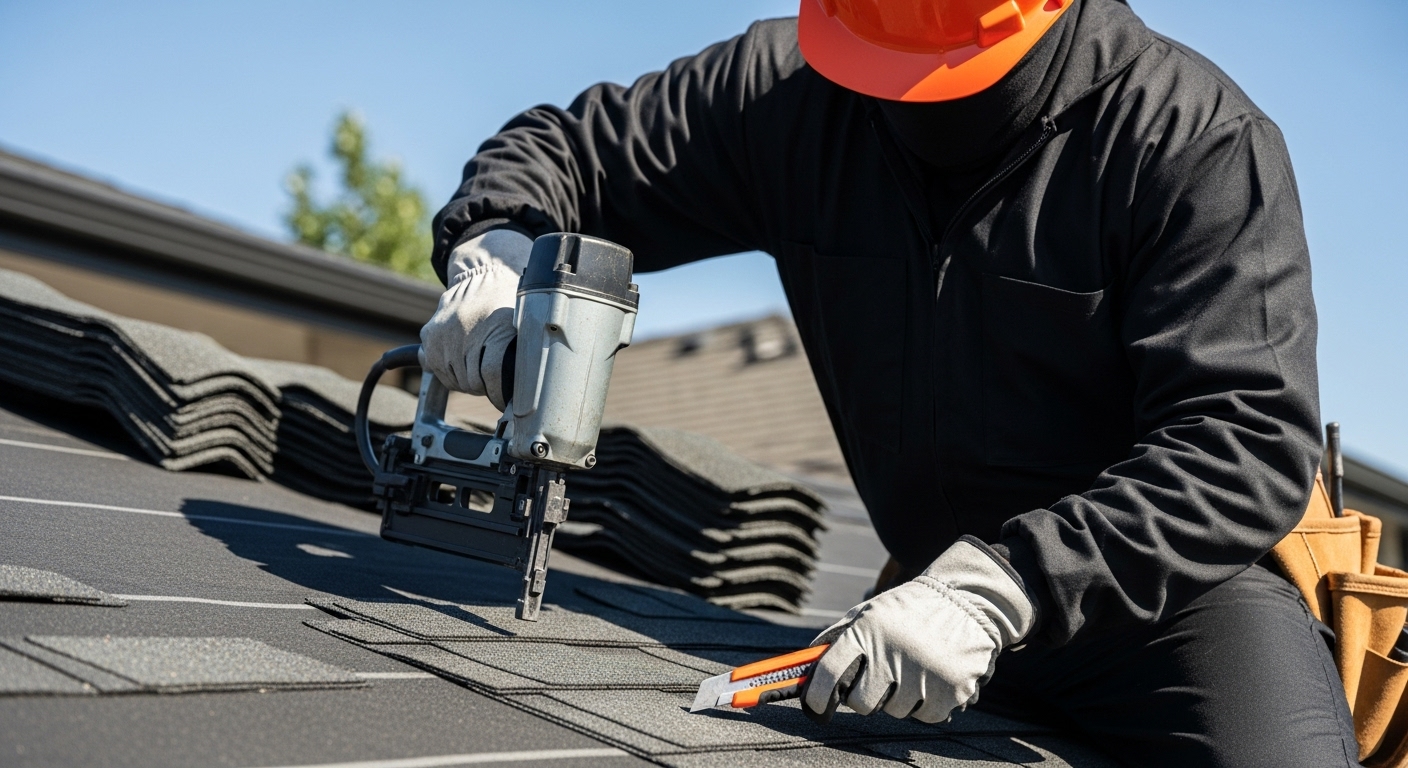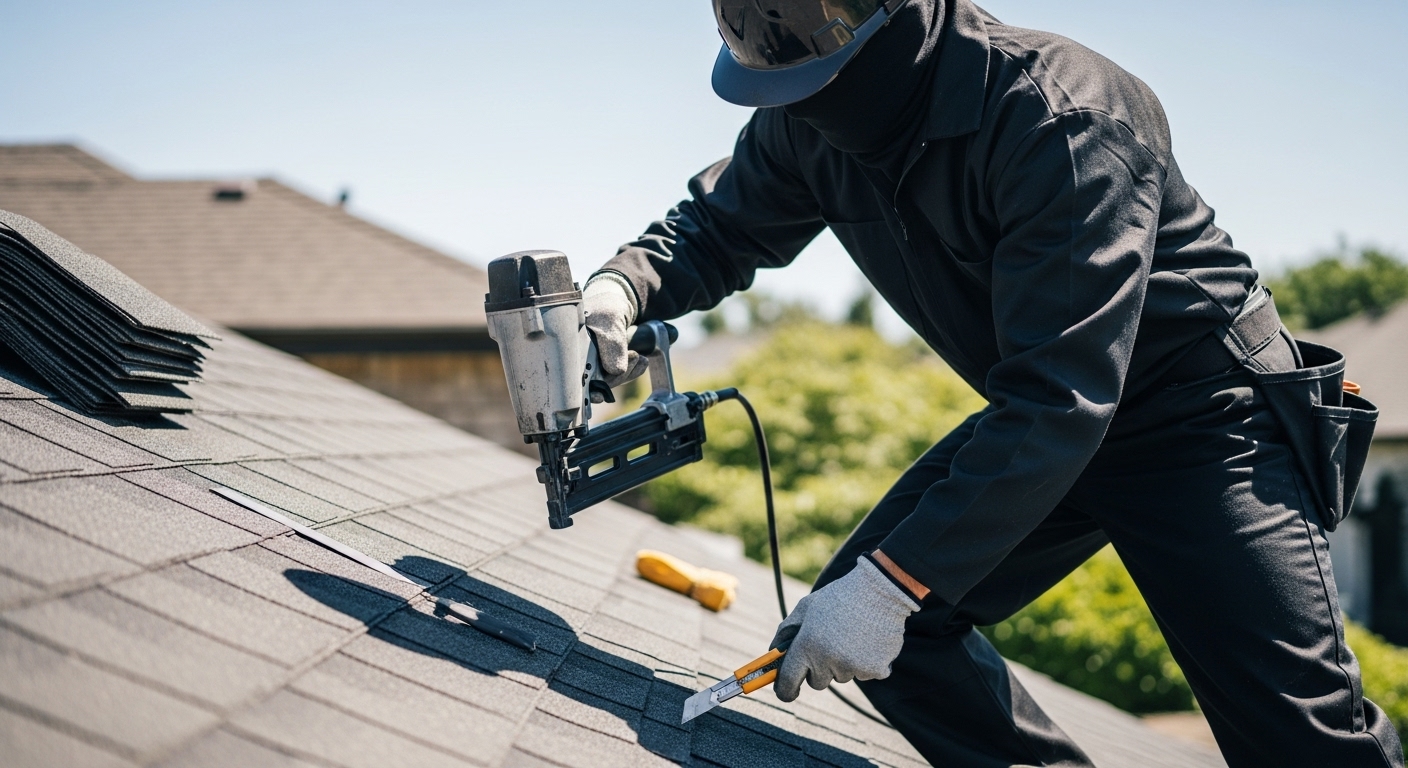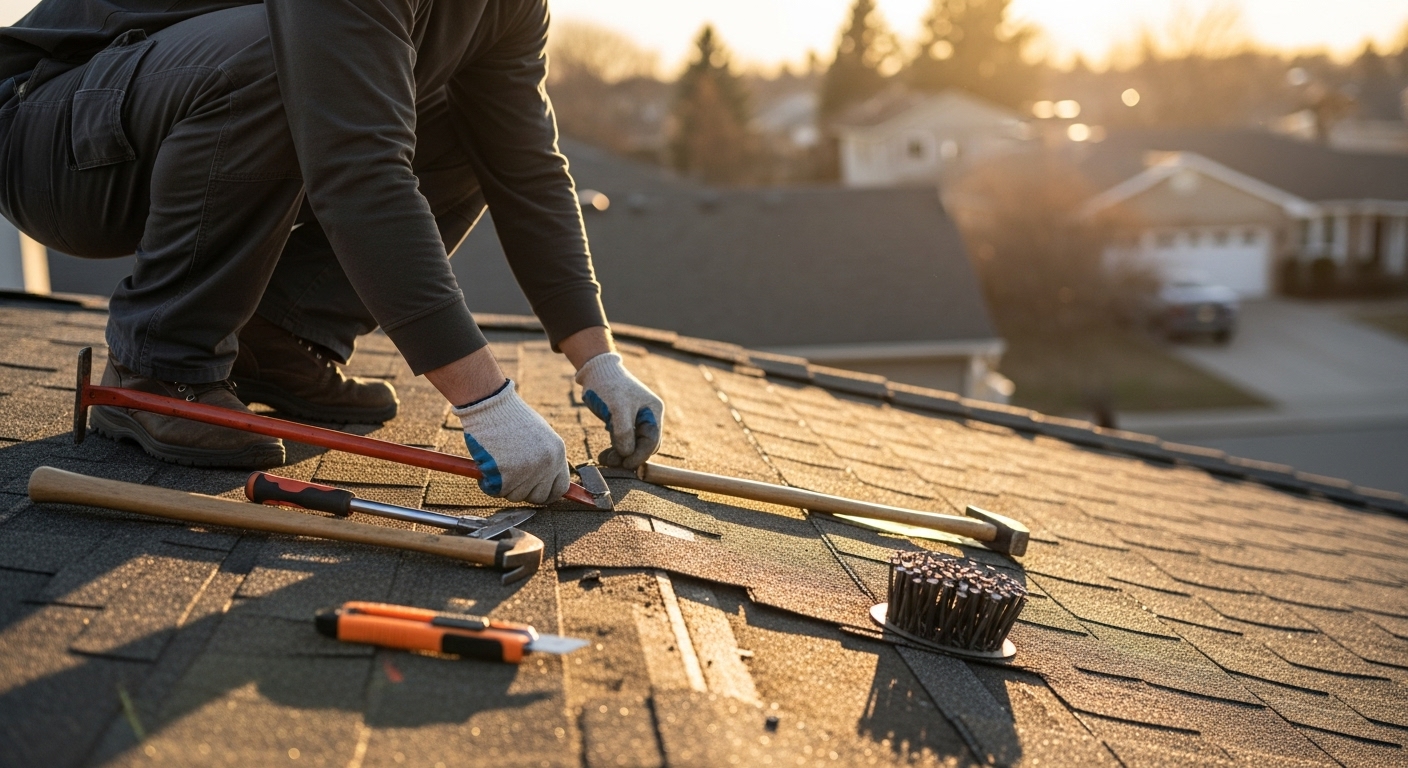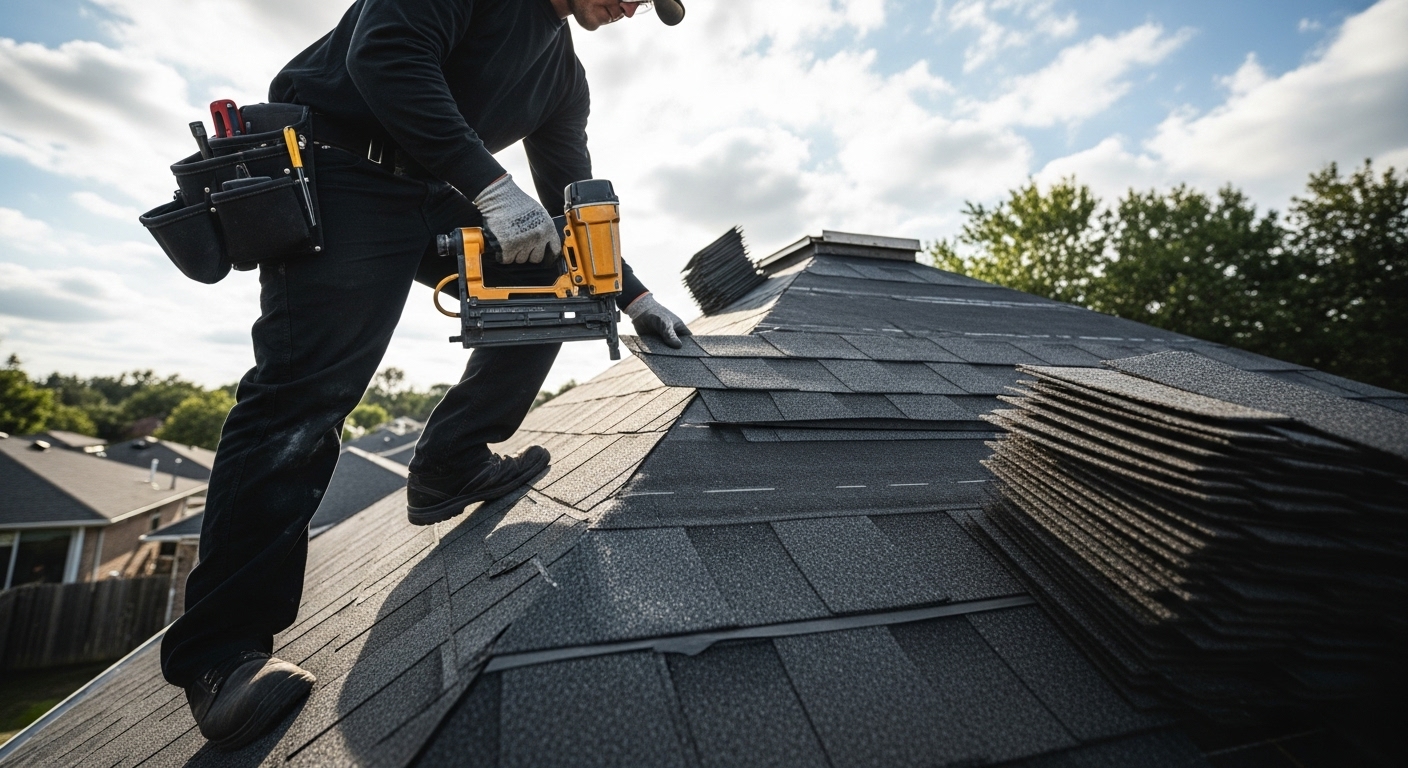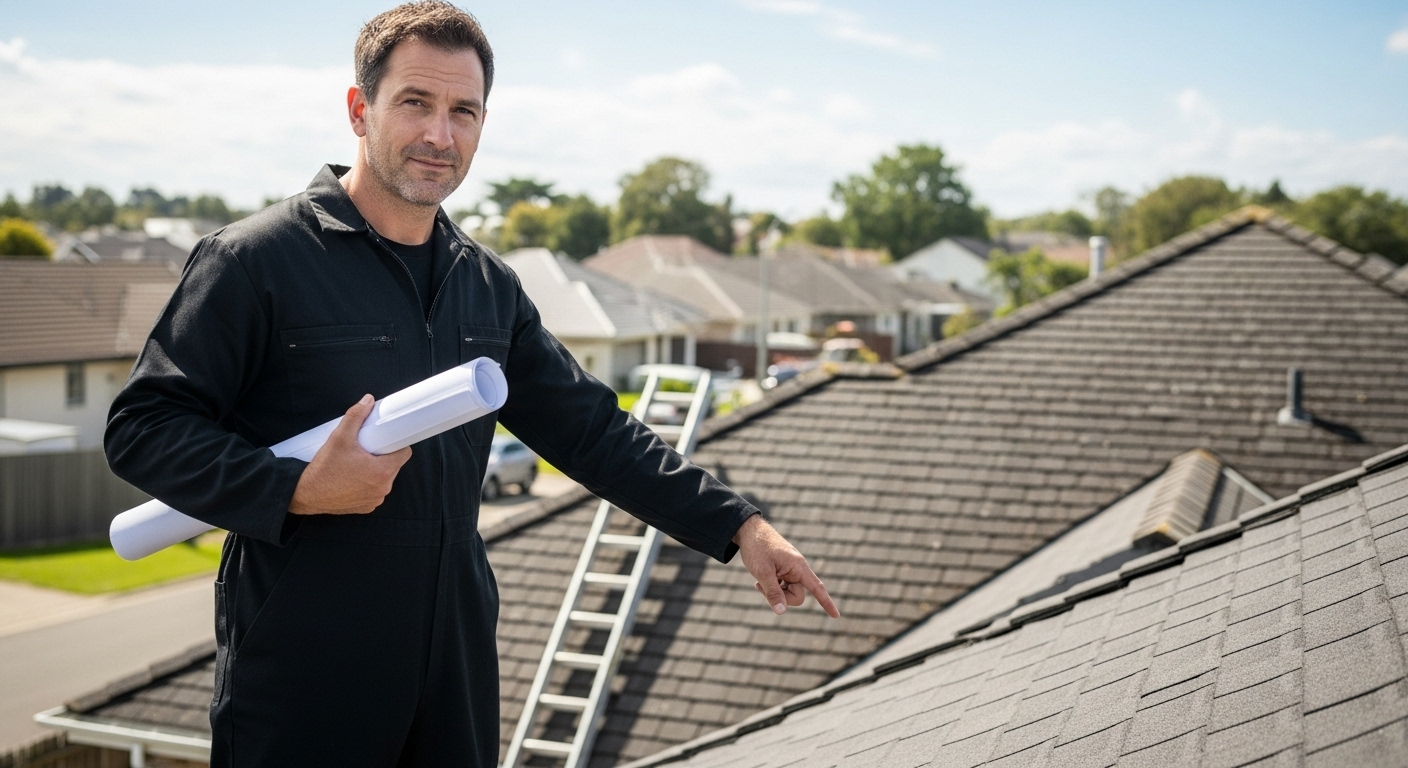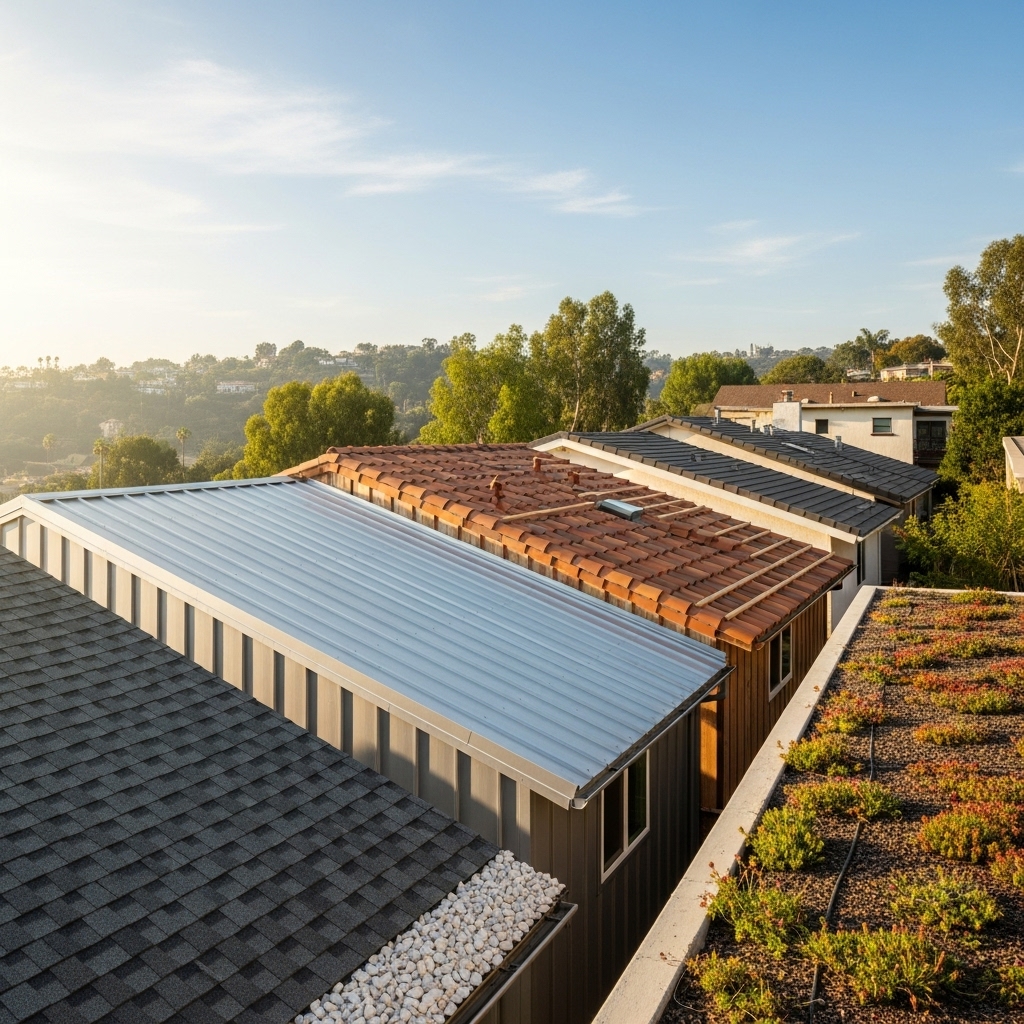
When you live in Tarzana, you feel the Valley sun as soon as you step outside. Our summers are bright, dry, and relentless, and even in the shoulder seasons, roofs soak up heat that lingers in attics well into the night. That’s why the conversation about roofing materials here is inseparable from energy performance, wildfire safety, and long-term durability. Choosing the right surface isn’t just about curb appeal; it’s about comfort, resilience, and how your home stands up to our microclimate. As a local who has walked countless rooftops from Melody Acres to the hills near Mulholland, I’ve seen how well-chosen, modern materials transform indoor temperatures and reduce strain on HVAC systems. If you’re planning an upgrade, you’ll want to understand which options deliver real efficiency without compromising the look and character of your home, and where green eco-friendly roofing strategies fit into that picture.
Before diving into specific materials, it helps to frame Tarzana’s conditions. We sit in a heat-prone pocket of the San Fernando Valley, where solar exposure is intense, wildfire seasons are getting longer, and Santa Ana winds can test roof fasteners and flashing. Local codes favor cool-roof performance on many surfaces, and the public’s expectations about sustainability have grown as quickly as technology has improved. Materials that reflect sunlight, release heat quickly, and resist ember ignition don’t just meet code; they make daily life more comfortable and predictable. With the right pairing of surface and underlayment, homeowners can achieve a quieter attic, a gentler temperature gradient between floors, and a roof that rides out wind events without complaint.
Understanding cool performance in Valley conditions
When we talk about eco-forward roofing in Tarzana, we focus on two connected qualities: solar reflectance and thermal emittance. Solar reflectance allows roofing surfaces to bounce a portion of the sun’s energy back into the atmosphere. Thermal emittance lets materials release the heat they absorb. Together, these properties reduce heat transfer into the attic and living space below.
This combination makes a measurable difference in Valley conditions. Lower attic temperatures help stabilize indoor comfort and reduce HVAC strain during long summers. Modern roofing materials now deliver these benefits without limiting design choices. Today’s color technologies support cool-rated grays, earth tones, and deeper hues. These options complement Spanish, ranch, and contemporary homes while maintaining strong thermal performance.
Asphalt shingles with solar-reflective granules
For many Tarzana homeowners, reflective asphalt shingles provide an easy step toward greener roofing. Manufacturers design these shingles with solar-reflective granules that improve performance under direct sun. They keep a familiar look while responding better to heat.
On a properly ventilated roof, reflective shingles can lower attic temperatures in a noticeable way. As a result, upper floors often feel more comfortable during peak heat. When I evaluate shingle options for local homes, I also focus on what sits beneath them. Underlayments strongly influence overall performance.
High-performance synthetic underlayments add durability and heat resistance. In critical areas, self-adhered membranes at eaves and valleys protect against wind-driven rain. These layers also tighten the roof assembly and limit unwanted air movement. When paired with a cool-rated shingle, they form a dependable system that reduces heat gain during the Valley’s long summer season.
Metal roofing for reflectivity and longevity
Metal roofing, especially standing seam aluminum or steel, continues to gain popularity in Tarzana. Homeowners favor it for modern and transitional designs. The material stays lightweight compared to tile and offers high recyclability. With cool-pigment finishes, metal can achieve excellent solar reflectance.
In wildfire-prone areas, a properly detailed metal roof provides added peace of mind. Continuous seams reduce weak points, while smooth panels shed debris and dry quickly after rain. I also remind clients that modern metal roofs sound quiet when installed over insulated decks. They no longer carry the tinny noise people associate with older buildings. With precise flashing around skylights and solar mounts, metal roofs deliver both performance and visual impact.
Clay and concrete tile for classic Valley character
Clay and concrete tile define the look of many neighborhoods near Ventura Boulevard. These materials remain a smart, eco-aware choice when installers select cool-rated finishes. Battens beneath the tile create natural airflow, which improves thermal performance.
That ventilation layer acts as a thermal break. It reduces heat transfer to the roof deck during hot afternoons. Tile’s natural mass also helps stabilize temperature swings. This effect proves valuable on days that start hot and cool off quickly in the evening. In wildfire discussions, Class A tile assemblies perform well when paired with proper bird-stop details and closed eaves. These measures prevent embers from entering hidden roof cavities.
Modern composites and recycled-content options
Sustainable materials aren’t limited to the classics. Composite shingles made with recycled content or advanced polymers can mimic slate or shake while delivering lighter weights and improved fire ratings. For Tarzana homes where structural loads are a concern—especially older houses that might not have been engineered for heavy tile—these composites offer an attractive, efficient alternative. Their performance hinges on exacting installation: clean lines, secure fasteners, and precise flashing details that won’t open up in a wind event. When combined with cool-color technology, composites can contribute to a greener envelope without straying from a traditional aesthetic.
Flat and low-slope solutions: TPO, PVC, and reflective cap sheets
Many Valley houses, especially mid-century and contemporary designs, have low-slope sections over additions or garages. In these areas, single-ply membranes like TPO and PVC shine. They’re inherently reflective, heat-welded at seams, and lightweight. Modified bitumen systems with a reflective cap sheet are another reliable choice when the design calls for them. The key in Tarzana is meticulous substrate preparation and drainage management, because ponding water accelerates any roof’s aging. Adding tapered insulation to guide water to scuppers and installing robust flashing at parapets and penetrations makes a world of difference in long-term performance.
Vegetated roofs in a drought-conscious city
Green roofs draw a lot of attention, and for good reason: properly designed systems insulate, absorb stormwater, and soften the built environment. In our drought-prone climate, they demand careful selection of drought-tolerant plants and smart irrigation that prioritizes efficiency and reuse. Not every Tarzana structure is a candidate, because saturated weights must be engineered and fire considerations addressed. But where the architecture and framing allow, a light, extensive assembly can create a cooling microclimate above living areas and blend beautifully with surrounding canopies. It’s important to coordinate membrane choice, root barriers, and maintenance plans from the outset.
Underlayments, ventilation, and the hidden layers that matter
Whatever material you see from the curb, what’s beneath it often defines the roof’s efficiency. I emphasize air-sealing and balanced ventilation on every project. Continuous ridge exhaust paired with well-protected intake, or equivalently engineered alternatives for homes without ridge lines, helps exhaust trapped heat. In wildfire zones, ember-resistant vents are a must. Radiant barriers and deck-level insulation can also reduce heat flow into the home, creating a quieter, calmer interior during peak afternoons. These details are rarely noticed by passersby, but you’ll feel their effect every time the Valley turns up the thermostat.
Some homeowners ask how to trust that they’re getting the most from their roof choice. Mid-project field checks, manufacturer-aligned specifications, and local experience are the safeguards. Tarzana’s sunlight is unforgiving, and materials that look similar on paper can behave differently on our blocks. Pilot sections, attic temperature spot checks, and infrared scans on low-slope structures help verify that assemblies are doing their job. In the middle of planning, it’s also the perfect moment to evaluate gutters, downspouts, and overflows so that the rare heavy storm won’t undermine all that high-performance work. These details round out a package of genuinely green roofing solutions that respect both the house and the neighborhood.
Fire resilience without sacrificing design
Wildfire risk is a fact of life on the Valley’s edge, and good roofing is part of a larger defensible space strategy. Class A assemblies, sealed eaves, metal-edge details, and noncombustible gutters limit the places embers can land and smolder. The right material choice doesn’t mean compromising your home’s visual language. Cool-rated tile, color-rich metal, and reflective shingles all come in profiles that harmonize with Spanish, ranch, and contemporary designs. It’s less about choosing a single material and more about specifying a system that counteracts embers and heat while honoring your architecture.
Neighborhood character and HOA conversations
Tarzana’s streets are diverse, and many homes fall under HOA oversight. I’ve found that early conversations focusing on color, texture, and glare calm worries about reflective materials. Samples and mockups in natural light help decision makers see that cool palettes can be subtle and refined. When boards understand that these selections reduce heat islands and improve comfort without creating mirror-like surfaces, approvals come faster and with more enthusiasm. It’s a win for individual homeowners and for the neighborhood’s microclimate during those still, hot evenings.
Longevity, maintenance, and what to expect year to year
Eco-friendly does not mean delicate. The materials discussed here are built for decades of service, and their care is straightforward: seasonal debris removal, quick attention to wind-tossed branches, and inspections after strong Santa Anas. On low-slope roofs, keeping drains and scuppers clear is the simplest way to extend life. On pitched roofs, a look at flashing after a rare downpour provides peace of mind. The cleaner you keep the surface, the better its reflectivity remains, and the more consistent your indoor comfort feels across the seasons.
Bringing it all together for a Tarzana home
In the end, selecting a roofing material for a Tarzana property is a balancing act between aesthetics, performance, and resilience. The good news is that modern options allow you to hit all three targets. Whether you lean toward a standing seam profile for a hillside contemporary, a cool concrete tile for a classic ranch, or a reflective shingle for a quiet cul-de-sac, the path forward is clear. Start with your home’s architecture and solar exposure, consider wildfire and wind realities, and then build a system from deck to ridge that manages heat intelligently. That’s how a roof becomes more than a shield; it becomes part of the home’s comfort ecosystem.
FAQ: Green roofing materials for Tarzana
What makes a roofing material eco-friendly in Tarzana? In our climate, it’s primarily about reflecting sunlight, releasing absorbed heat, and resisting fire. Materials with cool pigments, high emittance, and Class A ratings, paired with airtight underlayments and balanced ventilation, deliver measurable comfort and durability gains.
Are cool roofs only available in light colors?
No. Today’s cool-color technologies let manufacturers produce grays, tans, and even deeper shades that still achieve strong reflectance targets. You can keep a traditional or modern palette without defaulting to bright white.
Will a metal roof be noisy during rain or wind?
Installed over insulated decks and modern underlayments, metal roofs are quiet. The old image of noisy tin is outdated; in a properly built assembly, sound transmission is controlled, and the roof feels solid during Valley winds.
Can I install a vegetated roof in Tarzana’s drought conditions?
It’s possible with drought-tolerant plantings, efficient irrigation, and structural engineering that accounts for saturated weight. Not every home is a candidate, and fire and maintenance planning must be part of the design from day one.
Do reflective shingles really make a difference?
Yes. Reflective granules and modern underlayments reduce attic temperatures, which you’ll notice in more stable indoor comfort and less demand on cooling equipment during heat waves.
How does wildfire resilience factor into material choice?
Class A assemblies, ember-resistant venting, sealed eaves, and noncombustible edges reduce ignition pathways. Tile, metal, and many modern shingles can be part of a fire-smart package when detailed correctly.
If you’re ready to explore finishes, profiles, and assemblies that fit your home and our Valley climate, reach out for guidance that turns options into a plan. Let’s talk about colors, ventilation, and underlayments that will keep your rooms cooler and your roof safer for decades, and schedule a visit to evaluate your current deck and attic. To get started with trusted, local expertise in eco-friendly roofing services, call today and we’ll map the path from concept to a beautifully executed roof in Tarzana.