Santa Barbara’s weather has a rhythm you learn to feel: soft gray mornings that give way to bright, clear afternoons and evenings that cool quickly as the breeze returns. Homes here benefit from roof assemblies that take advantage of that daily cycle, reflecting intense sun when it is strongest and letting living spaces shed heat as the day winds down. Energy-efficient cool roofing is not a single product but a design approach—pairing reflective surfaces with smart detailing so the whole system works in harmony with our coastal microclimates. From the Mesa’s bluff-top breezes to sheltered cul-de-sacs in San Roque, homeowners are discovering how a well-planned cool roof can boost comfort, protect materials, and complement Santa Barbara’s architecture. If you are exploring options, this is a practical guide to the choices that make sense locally and why experienced cool roofing teams anchor every recommendation in the realities of our sun, salt air, and marine layer.
How cool roofing saves energy here
At the heart of cool roofing are two properties: solar reflectance and thermal emittance. Reflectance is the fraction of sunlight bounced back to the sky; emittance is a material’s ability to release heat it has absorbed. Together, they influence a roof’s surface temperature. High reflectance keeps the roof cooler under direct sun, and high emittance helps any absorbed heat dissipate faster as breezes return. In Santa Barbara, that combination is ideal because afternoons can be bright even when temperatures are moderate, and evenings often cool off quickly. A roof that sheds heat efficiently lets interior spaces stabilize sooner, which you will notice in second-story bedrooms and finished attics.
Cool roofs also moderate thermal stress on materials. Fewer extremes in daily expansion and contraction can preserve flashing details, underlayments, and adhesives, particularly on low-slope sections that absorb the brunt of midday sun. Over time, that moderation contributes to a roof system that stays tighter and cleaner at edges, corners, and penetrations.
Matching materials to roof types
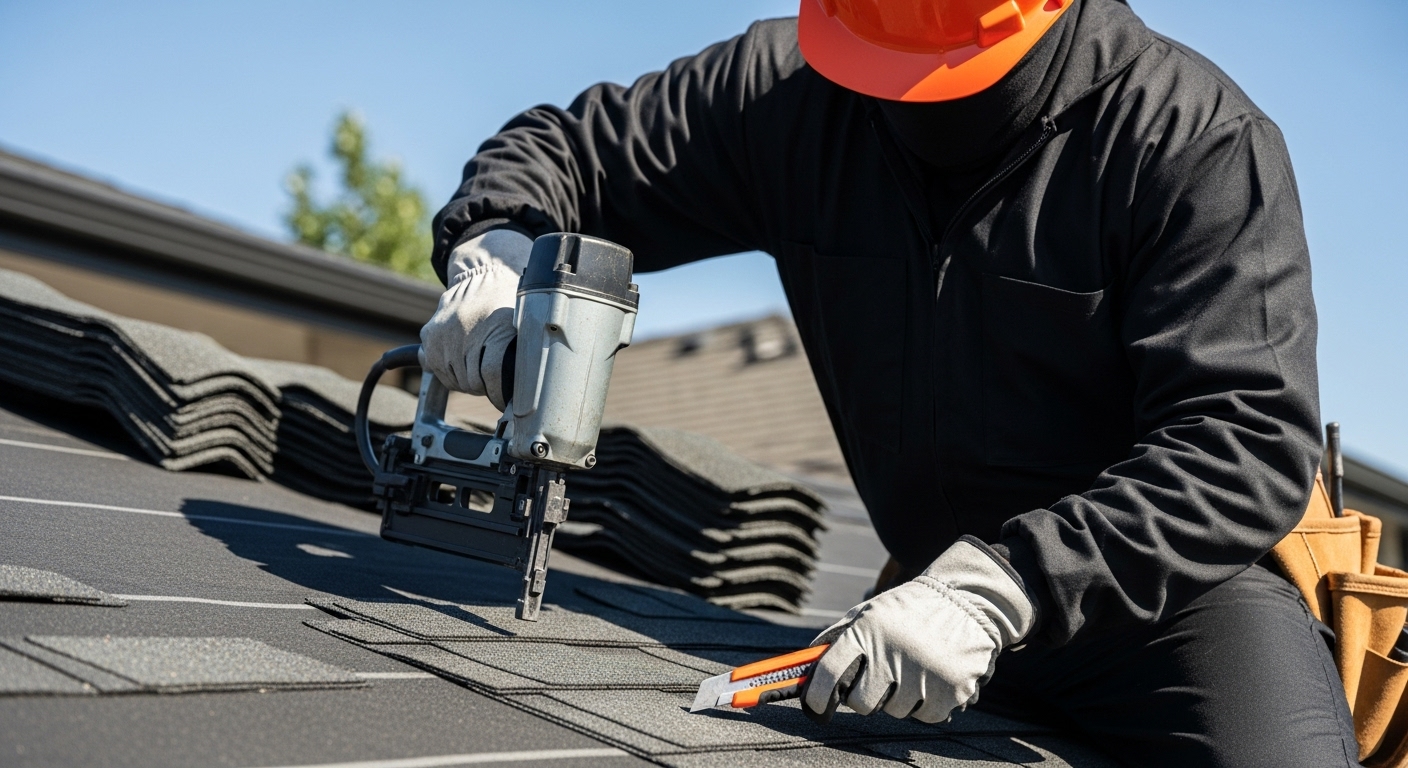
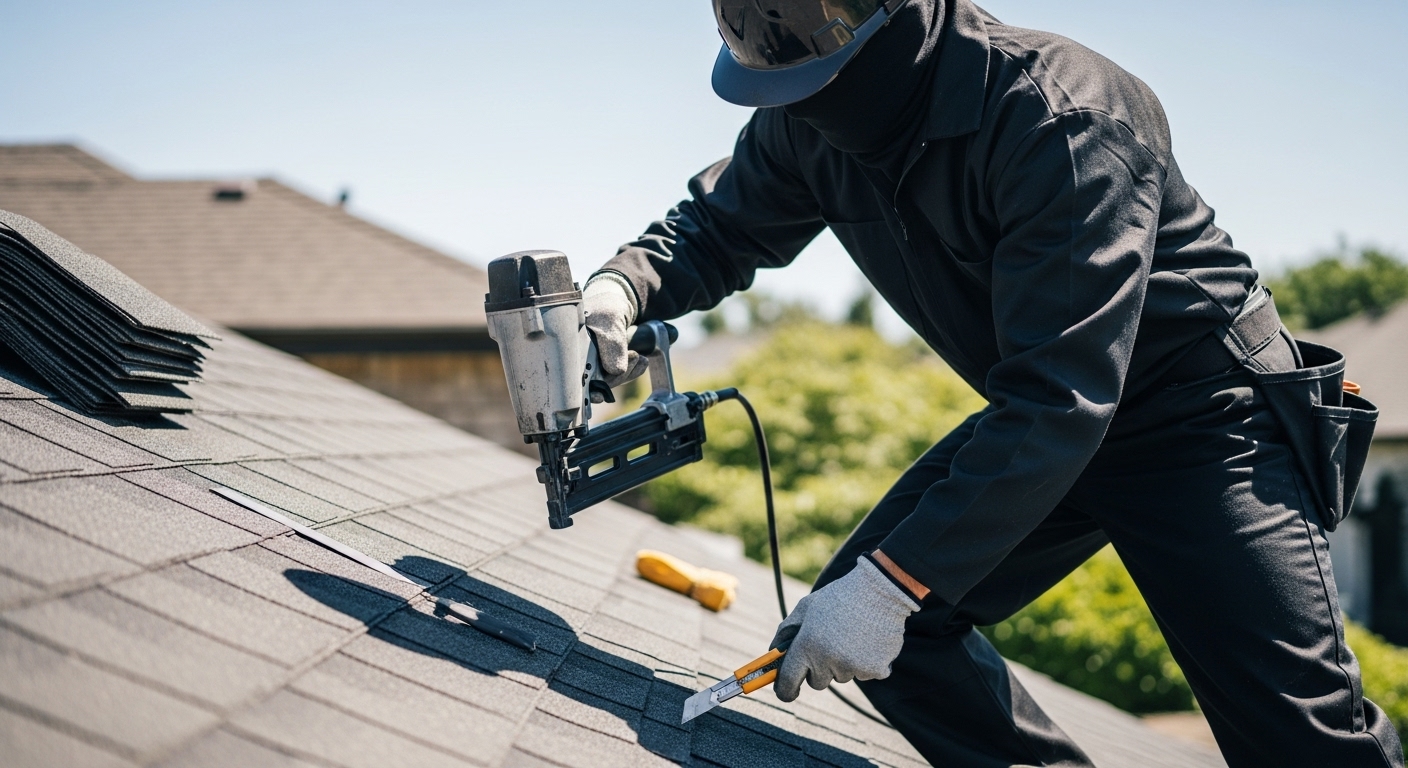
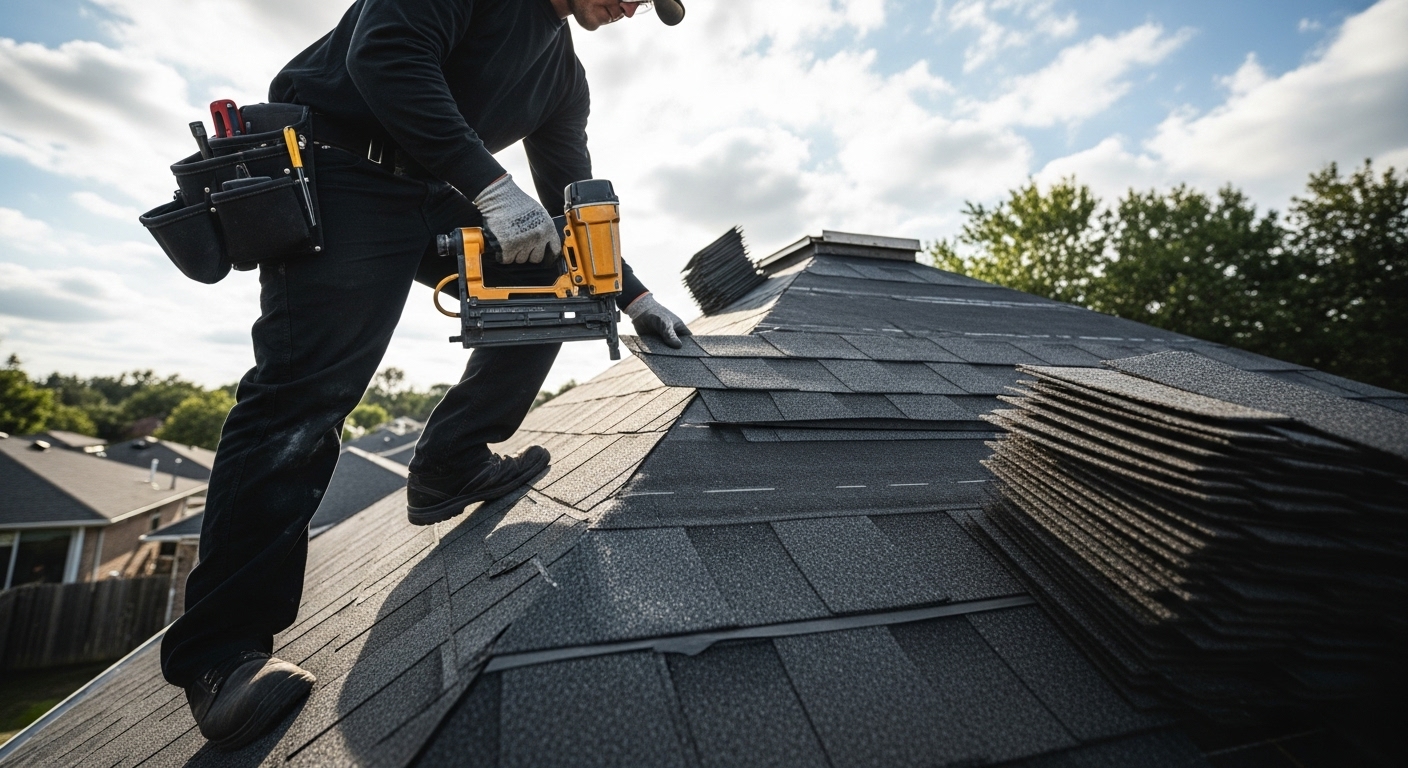
Santa Barbara homes exhibit a tapestry of roof forms—gables and hips in San Roque, low-slope additions behind parapets in downtown and Westside neighborhoods, and complex roofs with dormers and skylights in foothill areas. Material choices follow roof geometry. On low-slope surfaces, reflective membranes or elastomeric coating systems provide continuous protection, reinforced at seams and transitions. On pitched roofs, cool-rated shingles with reflective granules offer familiar aesthetics with improved performance. Metal roofs with high-SRI finishes can be excellent in select applications, especially where long, clean lines suit modern additions.
Color and texture matter too. Many homeowners want to keep a subdued palette that suits stucco and natural wood. Today’s cool options include muted grays, tans, and earth tones that deliver strong reflectance without a stark, high-gloss look. On concealed low-slope sections, a bright white topcoat maximizes reflectivity without affecting curb appeal, while visible shed roofs can wear a softer tone that still performs well.
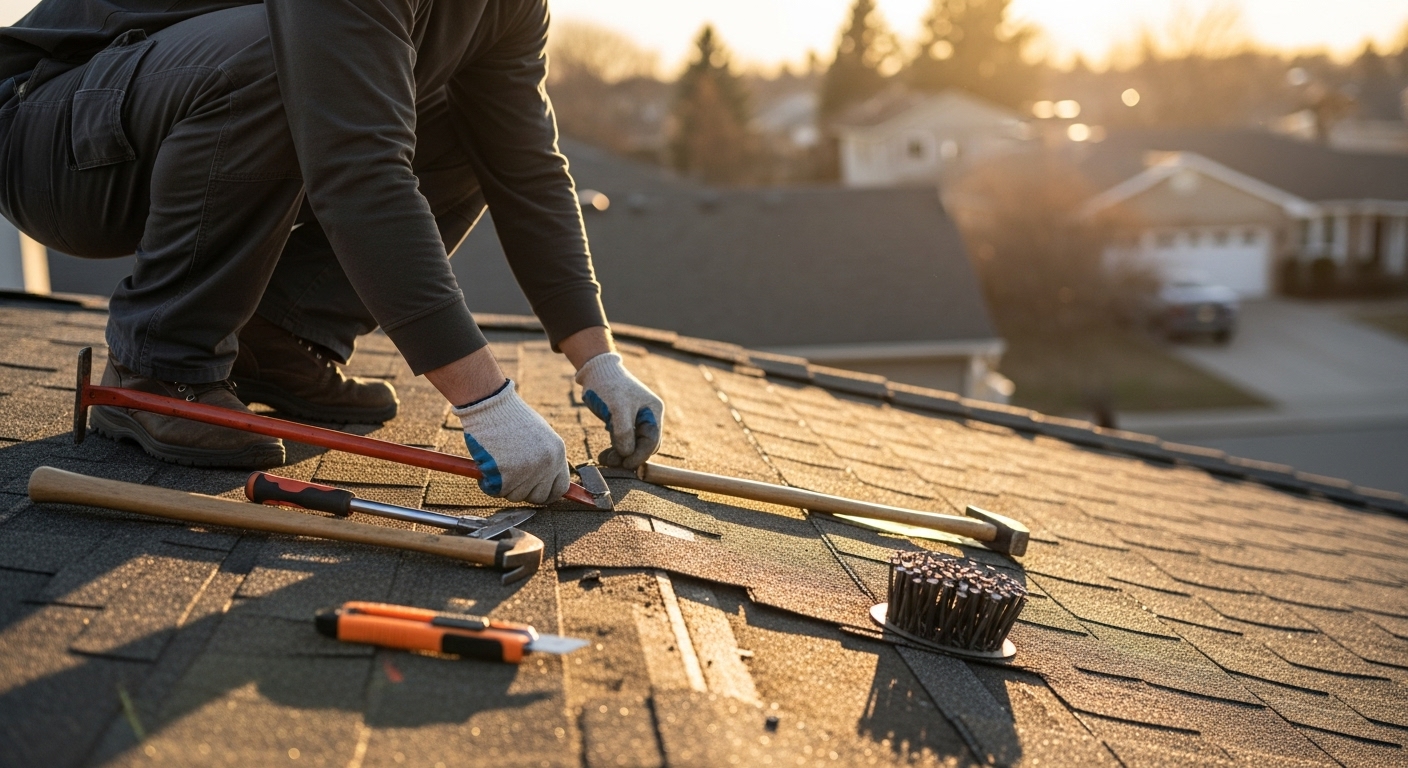
Materials are only as good as the details around them. In our marine environment, we specify corrosion-resistant flashing metals, robust underlayments that handle dew without wrinkling, and sealants compatible with reflective topcoats. Vents, skylights, and chimneys receive layered, manufacturer-approved treatments so that the reflective surface is matched by equally durable edges and penetrations.
Ventilation and attic dynamics in a coastal climate
Cool surfaces reduce the amount of heat entering the roof assembly; ventilation then helps move along what remains. Balanced intake at eaves and exhaust at ridges or gables lets warm air rise and escape, easing attic temperatures during bright afternoons. In older homes with minimal soffit openings, reroofing is an opportunity to add discreet intake. The result is not just a cooler attic but a roof deck and insulation that stay drier and cleaner.
Ventilation strategies adapt to architecture. Some homes benefit from continuous ridge vents; others use gable vents with baffles to prevent wind-driven rain. In each case, the goal is steady, quiet airflow that leverages our predictable onshore breezes. When cool roofing and ventilation work together, the improvement in upstairs comfort is often immediate.
Working with the marine layer and seasonal winds
Applying reflective membranes or coatings in Santa Barbara calls for attention to timing. Foggy mornings require patience so that surfaces dry before adhesives or topcoats go down. Afternoon winds mean careful staging and clean perimeter details to prevent debris from scuffing fresh finishes. Autumn often provides long, calm windows that allow for a smooth progression of work, though spring can be excellent too when crews align tasks with burn-off times. This choreography protects the crisp, reflective finish that does the heavy lifting on sunny days.
Maintenance plays into seasonal rhythms as well. After our first rains, rinsing dust and leaf litter restores reflectivity, especially on roofs under oaks or near canyon breezes. Periodic inspections catch small scuffs or lifted edges before they expand. Treating the roof as a system—surface, flashings, and ventilation—keeps performance consistent from year to year.
Integration with solar and modern home systems
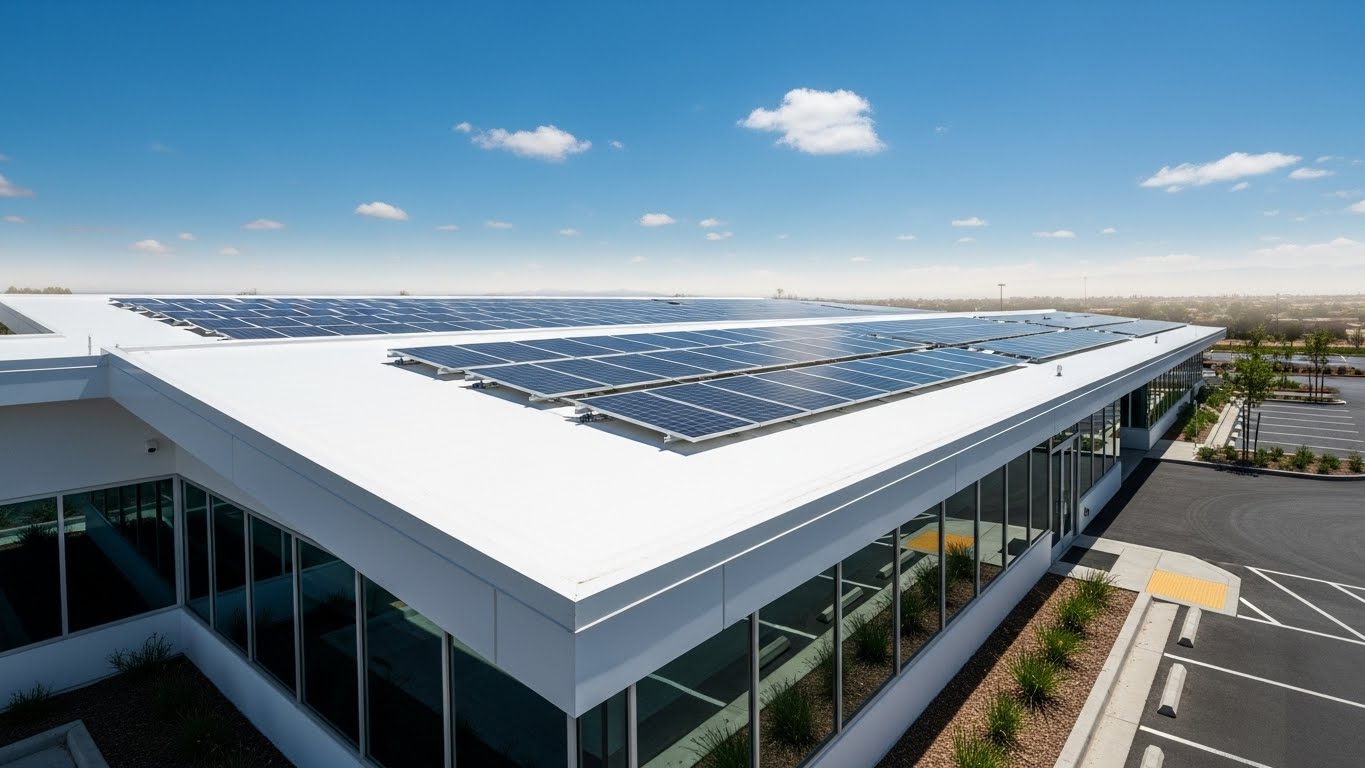
Cool roofing pairs naturally with rooftop solar. Panels operate more efficiently when the surface beneath them runs cooler, and reflective roofs can help in that regard. During reroofing, we plan attachment points and pathways so future arrays do not require unnecessary penetrations. Conduit routes and service clearances are mapped with the same care we give to skylight placement and maintenance access, ensuring the roof remains tidy and serviceable.
Inside the home, improved roof performance complements insulation and air sealing. While these elements are not visible from the street, together they create a calmer indoor environment. Homeowners often notice that upstairs spaces feel less stuffy in late afternoon, and that bedrooms cool off more quickly after sunset, matching the tempo of our coastal evenings.
Midway through many projects, I invite owners to walk the site to see how details come together. It is a chance to confirm color choices in full daylight, review flashing mockups, and make small adjustments before final coats go on. It also highlights the thoroughness that experienced cool roofing crews bring to edges, penetrations, and transitions—places where lasting performance is won.
Neighborhood snapshots
On the Mesa, a low-slope roof behind parapets received a bright, reinforced coating system that slashed afternoon surface temperatures and quieted heat buildup in a family room below. In San Roque, a gable-and-hip roof transitioned to cool-rated shingles in a muted coastal blend, paired with expanded soffit intake and a continuous ridge vent; the upstairs felt calmer on the very first warm spell. Downtown, a mixed-use building combined a reflective membrane with careful skylight flashing and planned solar attachment points, creating a clean, durable platform for an array installed later.
Frequently asked questions
Q: Will a cool roof make my home too cool in winter? A: In Santa Barbara’s mild winters, insulation and air sealing play a bigger role in comfort than solar heat gain through the roof. Cool roofs primarily reduce peak heat in warmer months without creating winter discomfort.
Q: Are cool roofs compatible with Spanish-style homes? A: Yes. Reflective options can be used discreetly on low-slope sections behind parapets, and muted, high-SRI colors are available for visible planes so the look remains cohesive with stucco and wood details.
Q: How much maintenance do cool roofs require? A: Simple periodic cleaning and inspections are usually sufficient. The goal is to keep surfaces free of debris and ensure flashings remain tight, preserving reflectivity and durability.
Q: Do cool roofs help if I plan to add solar later? A: They do. Cooler roof surfaces can support better panel performance, and reroofing is the ideal time to plan attachments and pathways for a clean, durable solar installation.
Q: Are there timing considerations in our marine climate? A: Yes. We schedule work around fog burn-off and afternoon breezes so adhesives cure and finishes set properly. This attention to timing protects appearance and longevity.
Talk with a local expert
If you are ready to make your Santa Barbara home more comfortable and efficient, start with a roof assessment that looks at materials, ventilation, and detailing together. We will tailor recommendations to your architecture and microclimate so the result feels natural and performs beautifully. When you want guidance from a team that plans and installs cool roofing for our coastal conditions, reach out. A thoughtful roof will keep your home bright, calm, and comfortable through many sunny seasons.