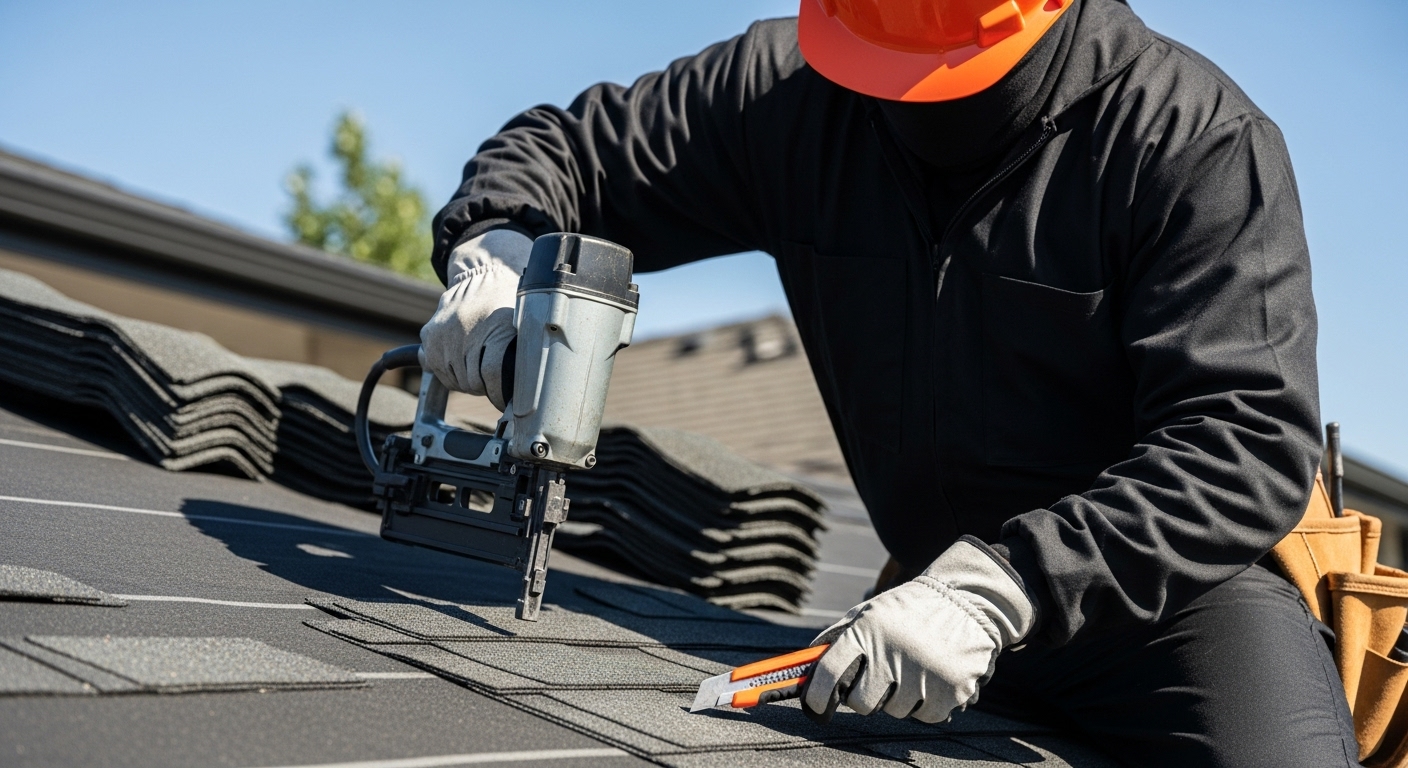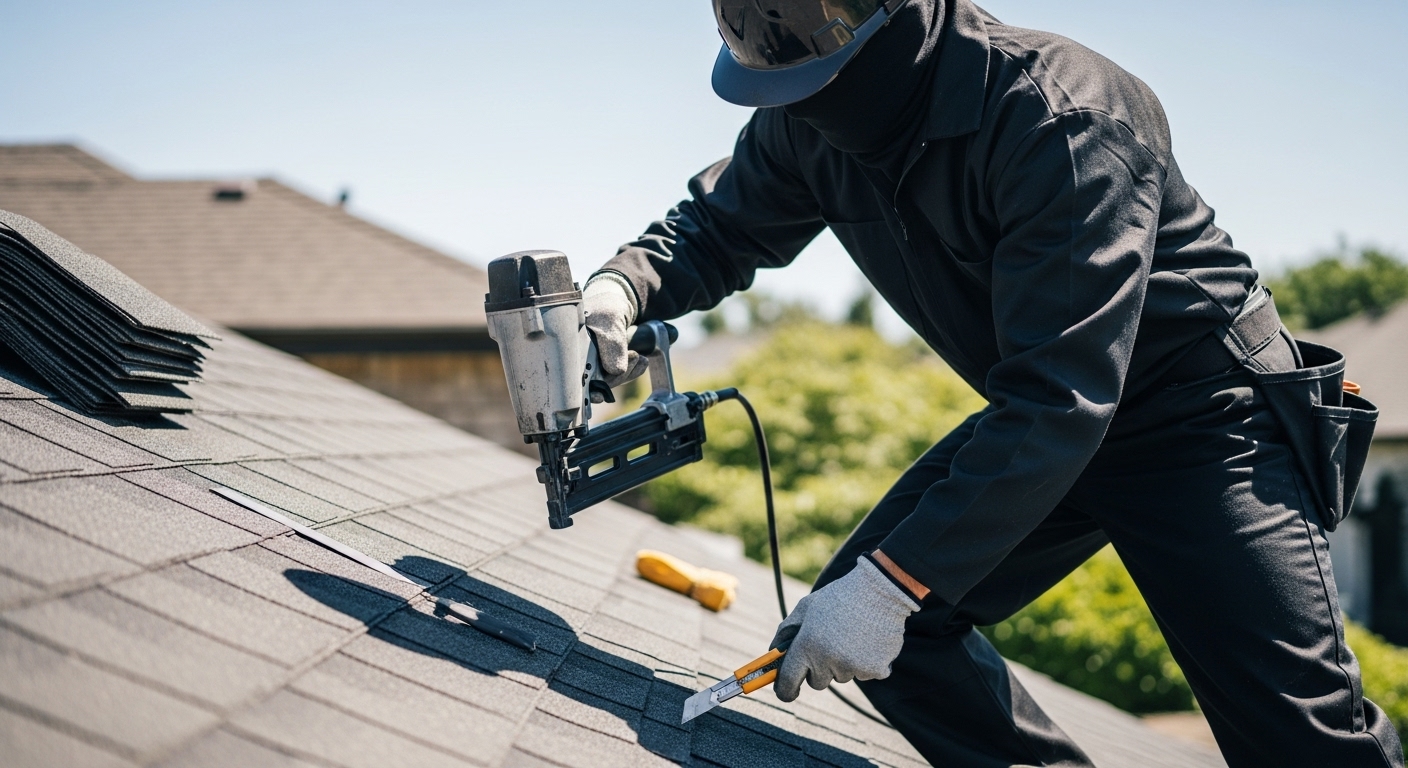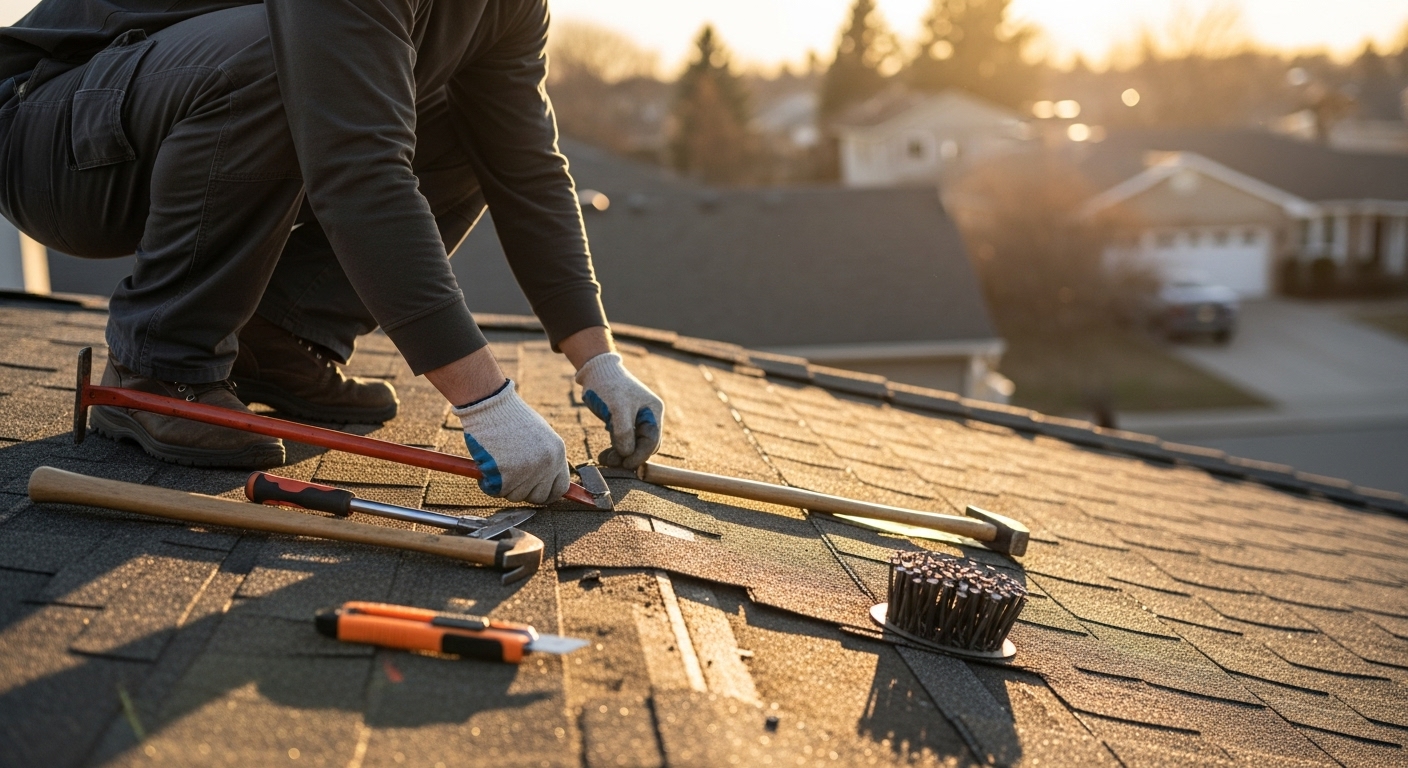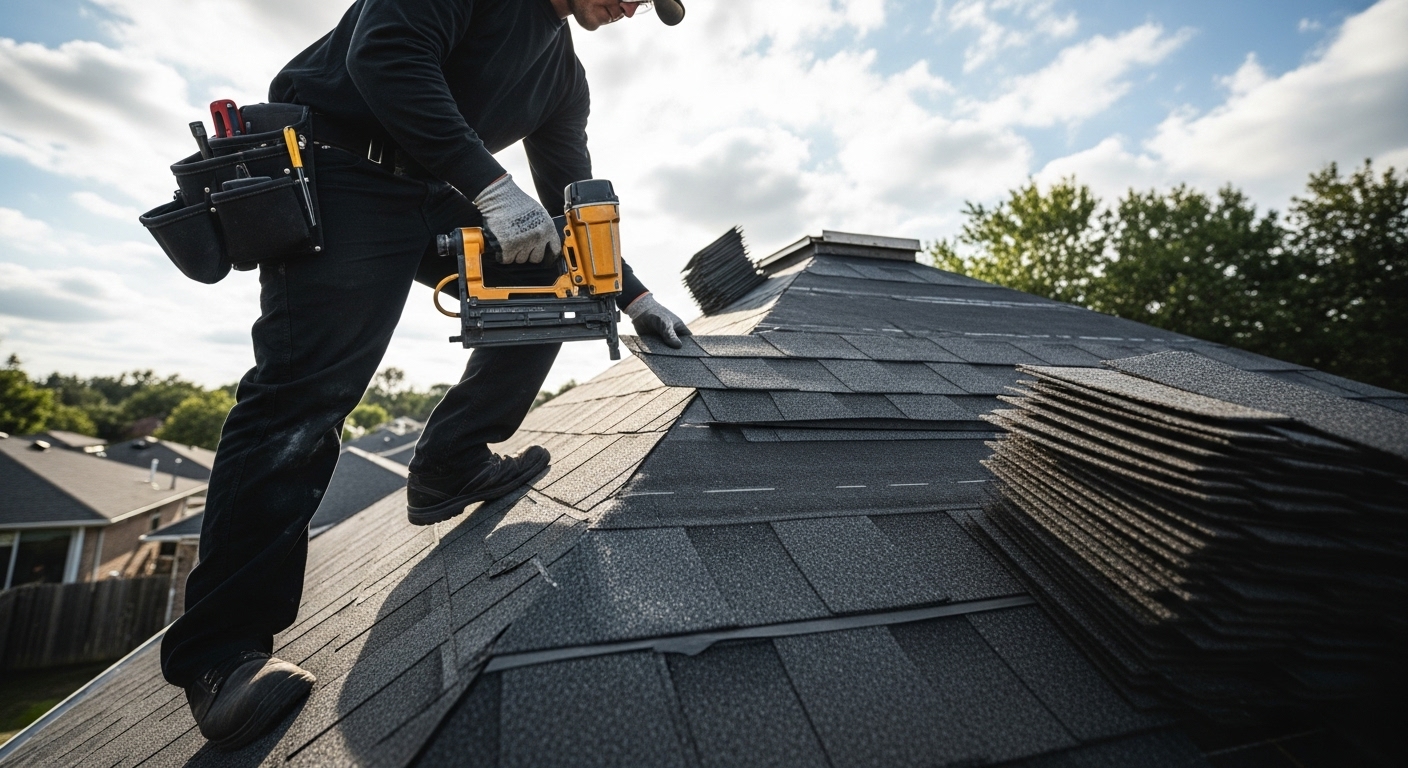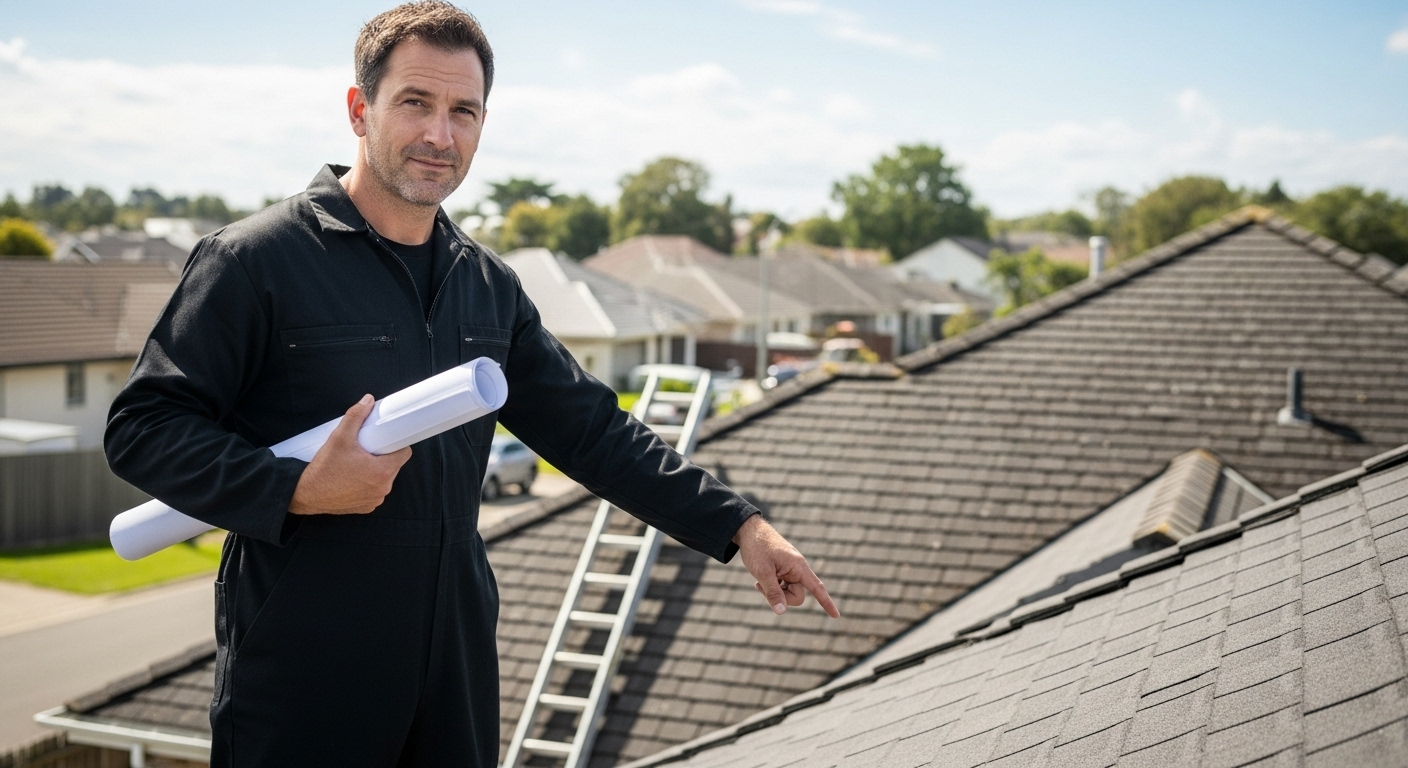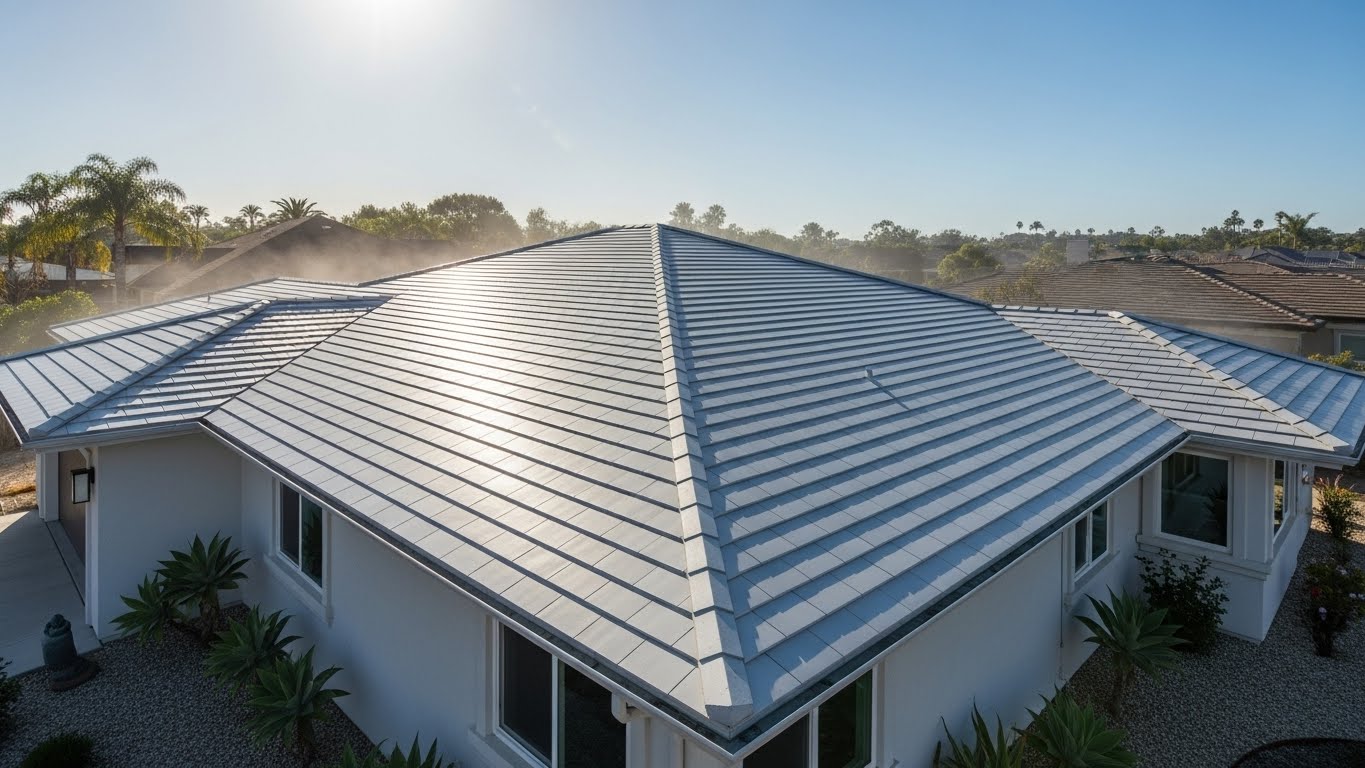
Living and working on roofs in Santa Barbara teaches you to respect the sun, the salt air, and the gentle but persistent marine layer that rolls in off the Channel. When homeowners ask me about ways to keep interiors cooler without compromising the character of their homes, I often start by explaining how reflective roof coatings work in our coastal climate and why they can make an immediate difference in comfort. If you have ever touched a dark roof at noon in July on the Mesa, you know surface temperatures can skyrocket; the right coating reflects a meaningful portion of that solar energy back into the sky. Around here, the conversation inevitably centers on materials that stand up to fog, UV intensity, and seasonal winds, all while preserving roof integrity over time. That is where modern cool roofing coatings come in, offering a balance of durability, reflectivity, and local code compatibility that fits Santa Barbara living.
Why Santa Barbara homes benefit from reflective coatings
Our climate oscillates between cool mornings and bright afternoons, and those daily swings can stress older roofing. Reflective coatings help moderate those swings by reducing peak surface temperatures, which, in turn, can ease thermal expansion and contraction at seams and transitions. In neighborhoods from San Roque to the Riviera, that moderation helps preserve roof membranes on low-slope additions and protects flashing details that would otherwise fatigue under constant heating and cooling.
Coatings also shine in coastal zones because they shed heat quickly as the afternoon breeze picks up. When the onshore flow returns in the evening, a reflective roof has less stored heat to radiate back into the attic, so bedrooms under low-slope portions of the roof often feel more comfortable at bedtime. I have seen this make a noticeable difference in older bungalows that have limited attic ventilation or smaller soffit vents than modern construction.
Acrylic, silicone, and polyurethane: matching material to roof type
While there are many branded products on the market, the families of coatings you will hear most about are elastomeric acrylics, silicones, and polyurethanes. Elastomeric acrylics are popular for low-slope roofs because they are breathable, highly reflective, and relatively easy to maintain. In Santa Barbara’s marine layer, that breathability can help moisture escape upward rather than trapping it where it can cause blisters in aged substrates. Acrylics also accept recoats well, which suits owners who prefer a maintenance plan that refreshes reflectivity every so often.
Silicone coatings, on the other hand, excel in ponding water scenarios. If you have a flat roof that catches dew or holds a bit of rainwater after our infrequent storms, silicone’s water resistance can be a strong asset. Along the coast, I look for silicones with strong UV stability and attention to adhesion primers, because salt-laden air can leave films on surfaces that need careful cleaning before any product goes down.
Polyurethane coatings are typically chosen where toughness and abrasion resistance are paramount. On decks or roofs with foot traffic—think mechanical areas over commercial spaces or walkable service paths—polyurethanes can add a durable layer that resists scuffs. In residential settings, they sometimes serve as base coats beneath reflective topcoats, providing a robust foundation.
Preparing a coastal roof the right way
In our area, preparation frequently determines success more than the brand name on the bucket. Salt spray, eucalyptus pollen, and fine dust from our hills can all cling to roof surfaces. Thorough washing, followed by adequate drying time, sets the stage for good adhesion. I advise homeowners not to rush the prep, especially after a foggy morning. Trapped moisture under a fresh coating is a recipe for blistering. On older modified bitumen or built-up roofs, we also address all lap seams and flashing transitions first, using mastics compatible with the chosen coating system.
Substrate testing is equally important. A small adhesion test patch, properly cleaned and primed, tells you how the roof will accept the coating. If you are bridging hairline cracks, reinforcing fabric at those transitions gives the coating system a better chance to flex with daily temperature cycles rather than splitting at the weakest point. This is particularly helpful on parapet caps, where Santa Barbara’s afternoon winds can drive wind-borne grit against the surface.
Timing applications around the marine layer
Coating windows in Santa Barbara are generous, but patience pays. We plan around fog burn-off and late afternoon cooling to ensure cure times are met without dew settling on a tacky surface. In spring, when mornings can be misty, we often begin a bit later and work through the warm early afternoon so the coating can set before the evening cool-down. In autumn, onshore winds die down earlier and make for calm, ideal application conditions. Paying attention to these patterns reduces the risk of pinholes and surface dulling, and it preserves the pristine reflective finish that makes a coating function well.
Mid-project inspections keep the plan on track. We verify mil thickness, check that edges and penetrations receive the extra attention they deserve, and confirm that each coat has flashed off before the next is applied. That level of care ensures the roof is not only bright and reflective on day one, but remains resilient through many coastal cycles to come. It is in these stages that homeowners see the value of choosing a team skilled in cool roofing methods tuned to our region’s nuances.
Maintenance that protects your investment
Coated roofs are not set-it-and-forget-it surfaces; they are systems that reward simple, periodic care. After the first rainy spell of the season, a quick rinse to remove dust and any leaf litter keeps reflectivity higher and prevents organic matter from creating damp spots. In shaded canyons or beneath overhanging oaks, a little more vigilance helps. I recommend gentle cleaning with a soft brush rather than harsh pressure washing, which can scar the finish or force water into seams.
Think of maintenance visits as opportunities to catch small issues early. A lifted edge at a vent boot or a scuff near a service path is straightforward to address when it is fresh. In Santa Barbara, where the UV index can be fierce even on cool days, preserving the continuity of the reflective topcoat preserves performance. Recoating schedules vary by product and exposure, but when the surface loses its crisp, bright sheen and edges begin to dull, it is time to plan a refresh.
Fitting coatings to Santa Barbara architecture
Our local architecture ranges from Spanish Colonial Revival to mid-century flats with generous eaves. Coatings integrate best where they are matched to the roof’s pitch and visibility. On low-slope areas concealed behind parapets, a high-brightness white can deliver maximum reflectivity without affecting curb appeal. On visible shed additions or porch roofs, selecting a slightly tinted, high-SRI finish keeps aesthetics in harmony with stucco and terra-cotta elements while still reflecting a substantial portion of sunlight. The goal is to complement, not compete with, the home’s design language.
For historic properties, I work closely with owners to determine where reflectivity can be added discreetly. Under solar arrays, for instance, a bright surface improves panel performance and remains hidden from street view. Around skylights, meticulous masking and careful brushing preserve clean lines and keep sightlines tidy from interior spaces.
Real-world examples from our coastline
On the Riviera, one low-slope roof struggled with heat in a family room that backed up to a south-facing wall. A carefully prepared acrylic system, reinforced at parapet seams and applied during a clear October window, took the sting out of afternoon heat without changing the home’s profile. Over on the Mesa, a small flat roof that tended to hold dew received a silicone topcoat after thorough cleaning and priming. The result was a bright, durable surface that shed moisture quickly each morning and protected the underlying membrane from UV wear.
In Goleta, near the coastal plain, a mixed-use property had rooftop mechanicals that required occasional foot traffic. A polyurethane base with a reflective finish on top created a tough, cleanable path that maintenance crews appreciated. Each scenario benefited from tailoring the coating family to the roof’s specific conditions rather than applying a one-size-fits-all fix.
Frequently asked questions
Q: Which coating stands up best to Santa Barbara’s marine layer? A: Silicones resist ponding and dew well, while acrylics breathe and recoat easily. The right choice depends on slope, drainage, and substrate condition, so an in-person evaluation is key.
Q: Will a reflective coating make my home cold in winter? A: In our mild climate, winter lows are generally not severe, and solar gain is less of a heating strategy than insulation and airtightness. Coatings mainly reduce peak summer heat; they do not typically make homes uncomfortably cool in winter.
Q: Can I coat over an existing roof without tearing it off? A: Often yes, if the substrate is dry, sound, and properly prepared. Any wet or damaged areas must be repaired first, and adhesion tests guide product selection.
Q: How long will a coating last on a coastal home? A: Longevity depends on exposure, maintenance, and product class. With periodic cleaning and timely recoats, a system can provide durable service for many seasons along the coast.
Q: Are coatings compatible with skylights and solar mounts? A: Yes, with careful detailing. We mask skylight frames, reinforce corners, and seal around mounts using compatible mastics and fabrics before applying the field coats.
Talk with a local cool roof specialist
If you are weighing coating options for a low-slope portion of your Santa Barbara home, an on-site assessment makes all the difference. We consider slope, shade patterns, wind exposure, and building style before recommending a system that looks right and performs reliably. When you are ready to explore materials and timing, reach out to a team that lives and breathes cool roofing in our coastal climate. The right plan will keep your roof brighter, cooler, and better protected through many sunny seasons on the South Coast.