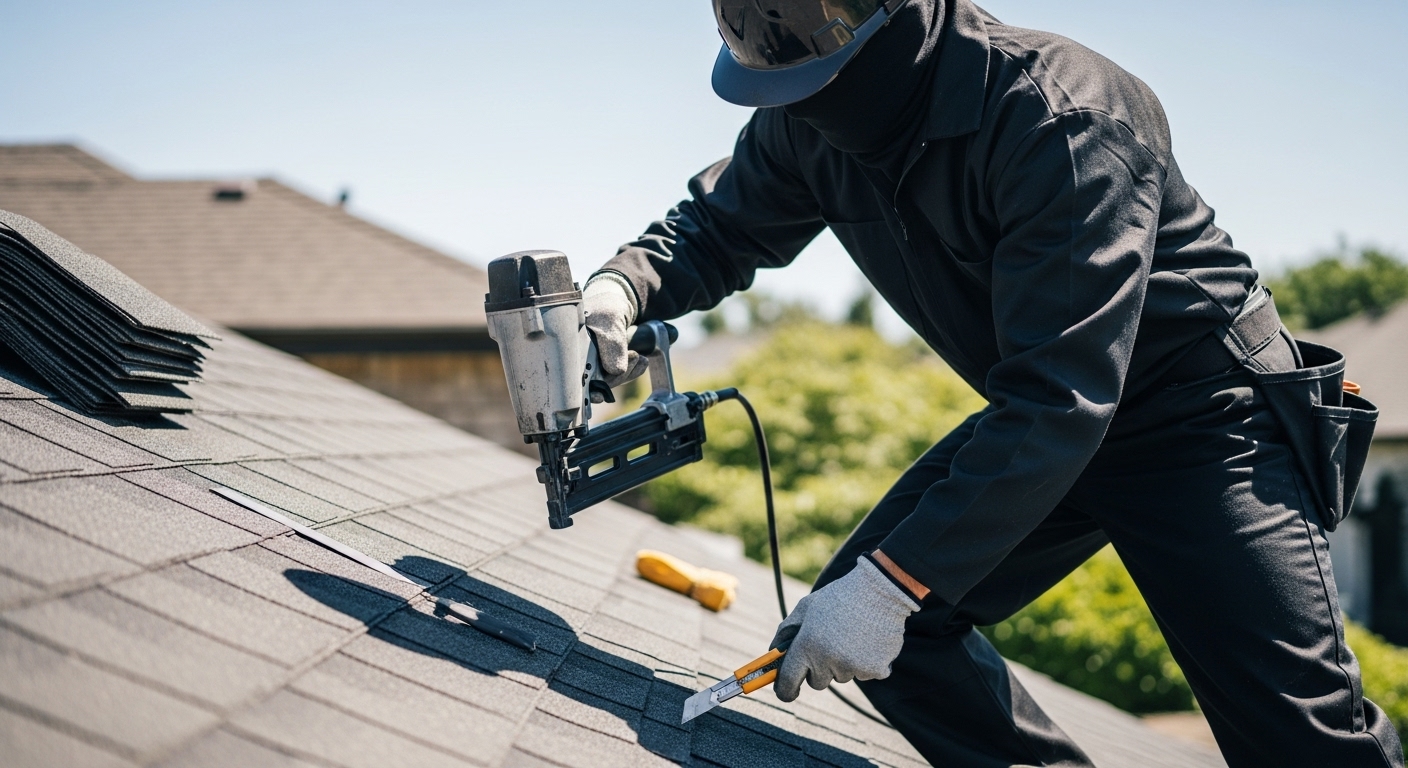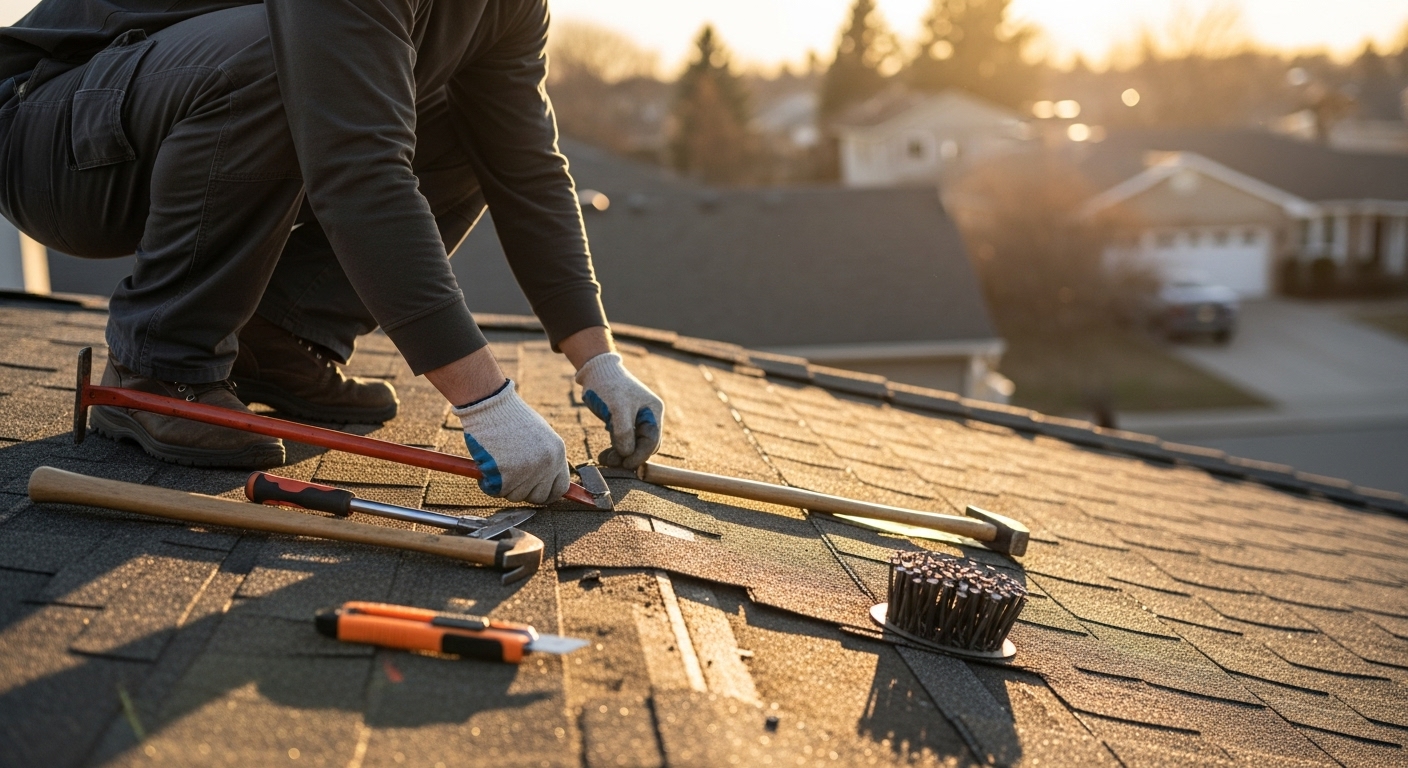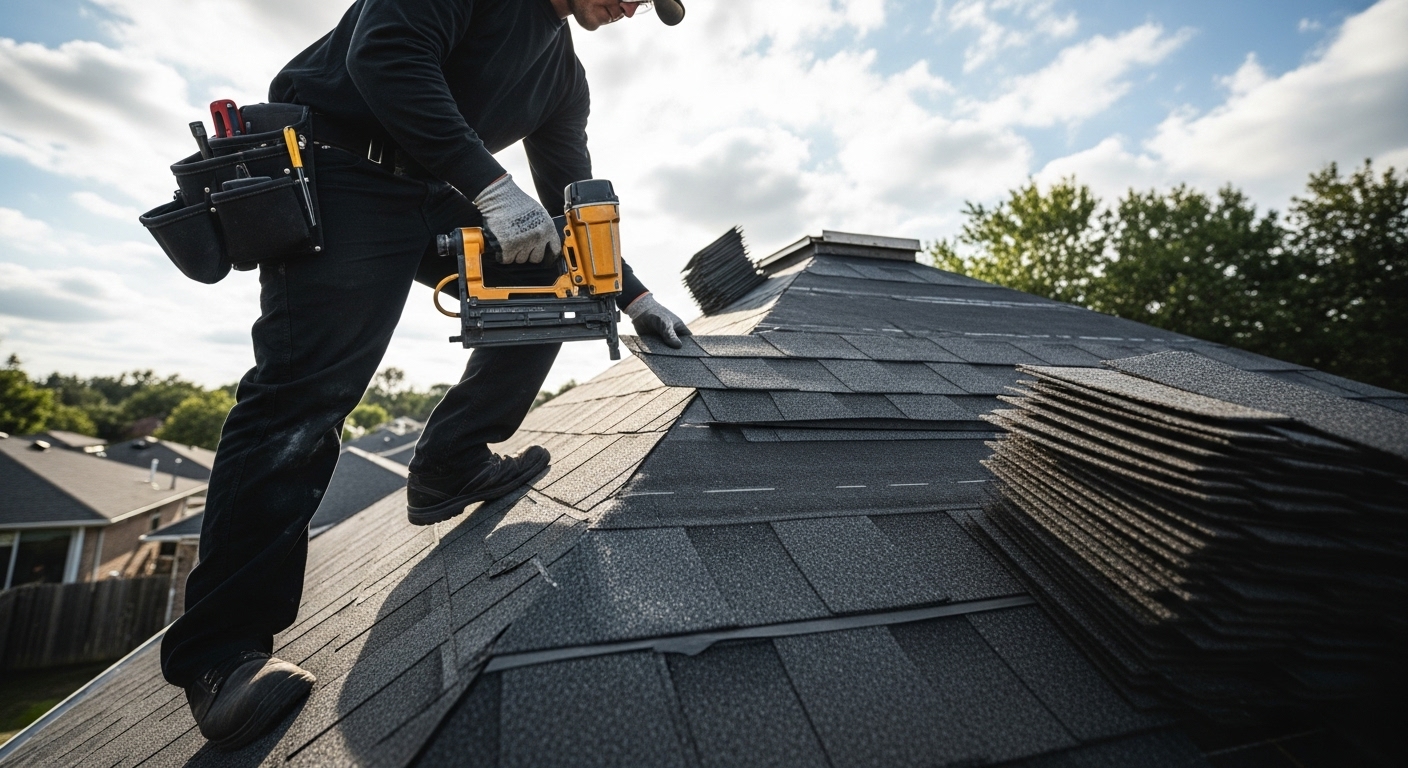
Choosing roof colors in Santa Barbara is as much about light as it is about hue. The way afternoon sun pours over the mountains and bounces off the water gives our city a brightness that can flatter some shades and wash out others. When homeowners ask about the best cool roofing paint colors, they are usually balancing three goals: keep interiors calmer on warm days, keep the home’s character intact, and avoid glare that might bother neighbors. The good news is that modern “cool color” pigments let you achieve reflectivity without committing to stark white on every visible surface. With a bit of planning—and a careful eye for how colors look at different times of day—you can find a palette that feels right at home on the South Coast. If you are just starting to explore options, learning how color and reflectance interact will help you choose finishes and work with installers who specialize in cool roofing assemblies.
Understanding cool color science
Traditional thinking says lighter equals cooler, but today’s pigments tell a more nuanced story. Cool color chemistry uses infrared-reflective particles that bounce a larger portion of the sun’s invisible heat energy even when the visible color reads mid-tone. That means a soft coastal gray or warm sand color can still deliver meaningful reflectance and surface temperature reduction compared to older, similarly shaded paints. In our climate, where the sun is strong and evenings tend to cool quickly, these pigments help roofs shed heat before nightfall, aligning with the natural rhythm of our days.
Another concept worth knowing is aged reflectance. All roofs gather a bit of dust and organic film over time, especially under oaks or near canyon breezes. Choosing colors and finishes that retain reflectivity as they age—paired with gentle cleaning—helps lock in performance for the long haul. Many modern reflective coatings and paints are formulated for that reality, keeping surfaces bright enough to do their job without demanding constant upkeep.
Color families that suit Santa Barbara homes
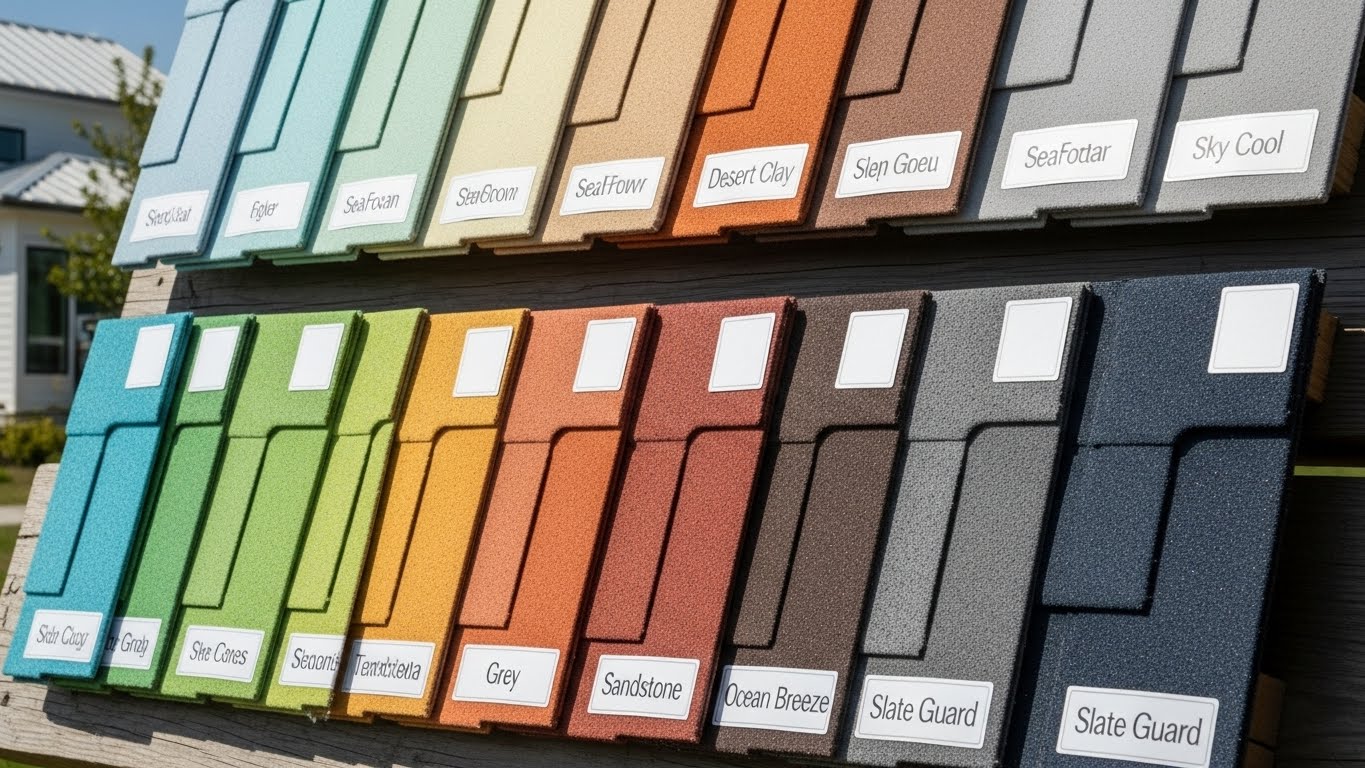
Our architectural language favors warmth and restraint. Spanish Colonial Revival, ranch, and mid-century styles all benefit from roof colors that complement stucco, stone, and natural wood. Coastal grays with hints of blue or green read cool and quiet against white or cream walls. Sand and driftwood tones play beautifully with terra-cotta planters and drought-tolerant landscaping. On low-slope sections hidden behind parapets, bright white can do the heavy lifting, while visible shed roofs and porch covers can wear softer hues that maintain visual harmony from the street.
For homes near the bluffs, I like to test how a candidate color behaves when the marine layer lifts. Some colors that look perfect at 9 a.m. can glare at 3 p.m. if the finish is too glossy. Selecting a low-sheen or matte variant often calms the effect without sacrificing reflectance. In shaded canyons and tree-lined streets, slightly warmer neutrals keep roofs from looking cold under filtered light.
It is also wise to consider how roof color interacts with trim and hardscape. A gray roof with cool undertones can sharpen the look of stainless cable railings and modern fixtures, while a warm sand tone can tie in with cedar accents and bronze hardware. The goal is a cohesive palette that feels intentional rather than piecemeal.
Sampling, sunlight, and the magic hour test
Color chips are only a starting point. Whenever possible, we apply small test patches on an inconspicuous section of the roof and observe them across a full day—foggy morning, high noon, and late afternoon. This “magic hour” test, right as the sun drops toward the Channel, is especially revealing in Santa Barbara. Hues that hold their character without blooming into glare tend to be the winners. We also stand back from the street to see how the roof reads in context with landscaping, neighboring homes, and the backdrop of the mountains.
For coatings on low-slope roofs, where the topcoat may be bright white, we pay equal attention to edge details and parapet caps, which may be more visible. Matching those elements to the body color of the home or choosing a soft complementary shade makes the bright surface feel integrated rather than abrupt.
Finish and texture: more than just color
Sheen plays a big role in perceived brightness. High-gloss finishes can kick light at certain angles, while matte and low-satin finishes diffuse it more gently. On visible planes, I often recommend low-sheen products that carry strong reflectance without a mirror-like effect. Texture matters too. Lightly textured coatings can hide minor substrate irregularities and reduce the appearance of lap marks when sun angles are low. The combination of a forgiving texture and the right sheen keeps roofs looking serene across the day.
Durability is part of finish selection. Coastal dew, salt carried on breezes, and the occasional hot, dry wind all challenge coatings. Choosing products with UV-stable binders and pigments designed for coastal conditions helps colors stay true longer. On walkable service paths, a slightly more robust finish resists scuffs while keeping the overall look uniform.
Neighborhood snapshots and color stories
On the Mesa, a bungalow with crisp white stucco balanced a bright, reflective topcoat on low-slope sections with a soft gray on a visible shed roof over the porch. The two surfaces work together: the concealed white maximizes performance, while the gray keeps the front elevation gentle on the eyes. In San Roque, a ranch home used a driftwood tone that pairs with native landscaping and stone edging, delivering a relaxed, coastal feel without tilting too cool. Downtown, a contemporary addition leaned into a pale sand color that harmonizes with cedar accents, countering glare while preserving strong reflectance.
These case studies all share a process: test patches, patient observation, and small adjustments to sheen or undertone until the roof feels like part of the home rather than an afterthought.
Maintenance to preserve color and performance
Even the best reflective colors benefit from light care. After dry, dusty spells, a gentle rinse lifts film that can dull brightness. Under trees, clearing leaves prevents organic stains. When touch-ups are needed, we feather edges carefully so the eye reads a continuous plane. Keeping gutters clean also helps, as overflow streaks can mar the look of parapets and eaves.
Over time, most reflective coatings can be refreshed with a maintenance coat once the surface loses its crispness. Matching the original color and sheen—and confirming compatibility between layers—restores both appearance and performance in a single step.
Frequently asked questions
Q: Are darker colors ever a good choice for cool roofs? A: With modern pigments, mid-depth hues can still reflect more infrared energy than older, similar-looking paints. While the lightest colors remain most reflective, you can choose balanced, coastal-friendly tones and retain meaningful performance.
Q: Will a matte finish reduce reflectivity too much? A: Matte and low-satin finishes can maintain strong reflectance while softening glare. The right product choice delivers both comfort and visual calm.
Q: How do I pick a color that will not clash with my neighborhood? A: Start with your home’s fixed elements—stucco, stone, and trim—then test candidate colors on the roof where they will live. Observing at different times of day ensures the choice suits both your street and our light.
Q: Can I use cool colors on clay tile? A: Where tile is retained, reflective strategies often focus on low-slope sections and underlayment upgrades. On accessory roofs or additions, reflective coatings can be color-matched to coordinate with existing tile.
Q: How often will I need to refresh the color? A: That depends on exposure and maintenance. When the surface loses its crisp look or shows uneven weathering, a compatible maintenance coat revives both color and reflectivity.
Plan your palette with a local pro
If you want a roof that looks right and keeps its cool in Santa Barbara sun, start with a color walk-through and test patches that capture our city’s changing light. We will help you weigh sheen, texture, and undertones so the final choice elevates both comfort and curb appeal. When you are ready to turn ideas into a roof that performs, connect with a team experienced in coastal cool roofing. The right color, applied with care, will keep your home calmer on warm days and beautifully at ease from sunrise to sunset.