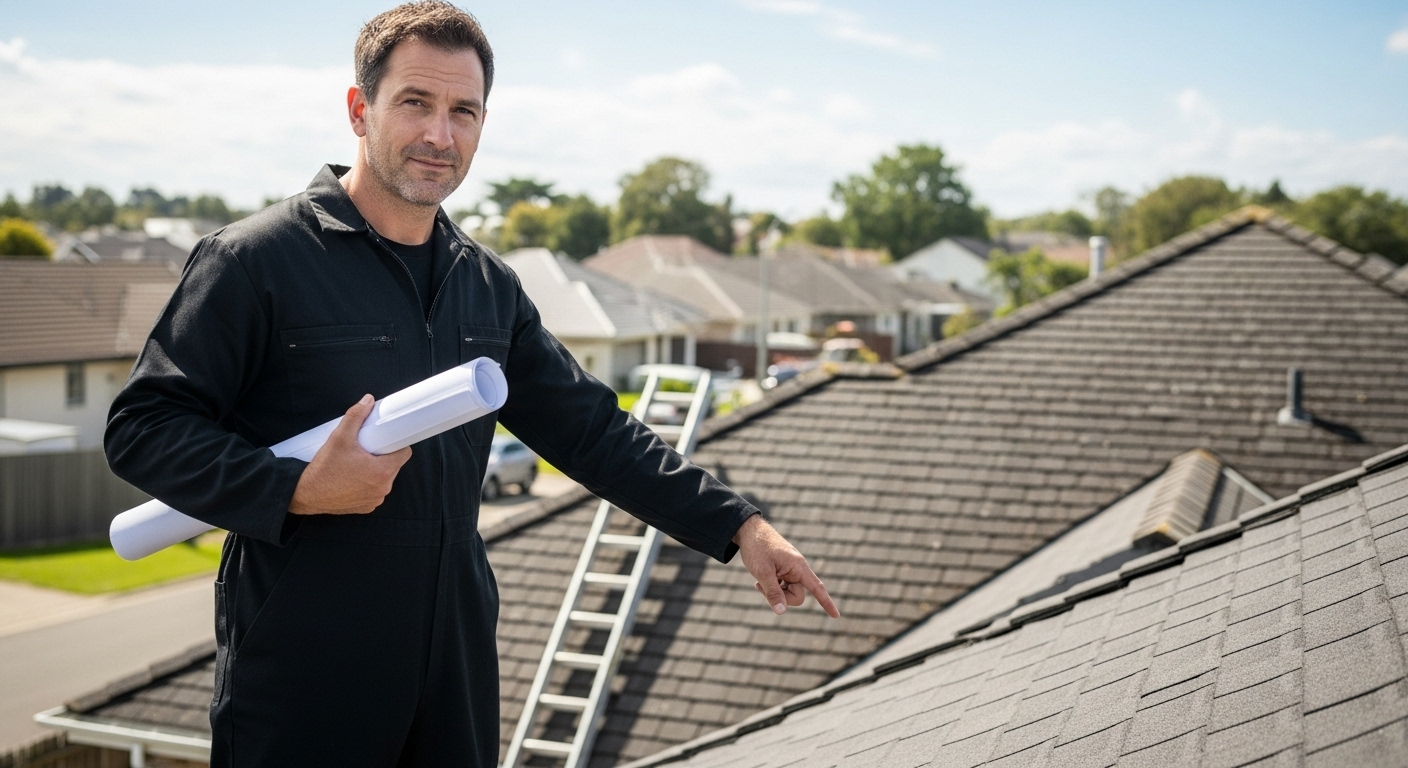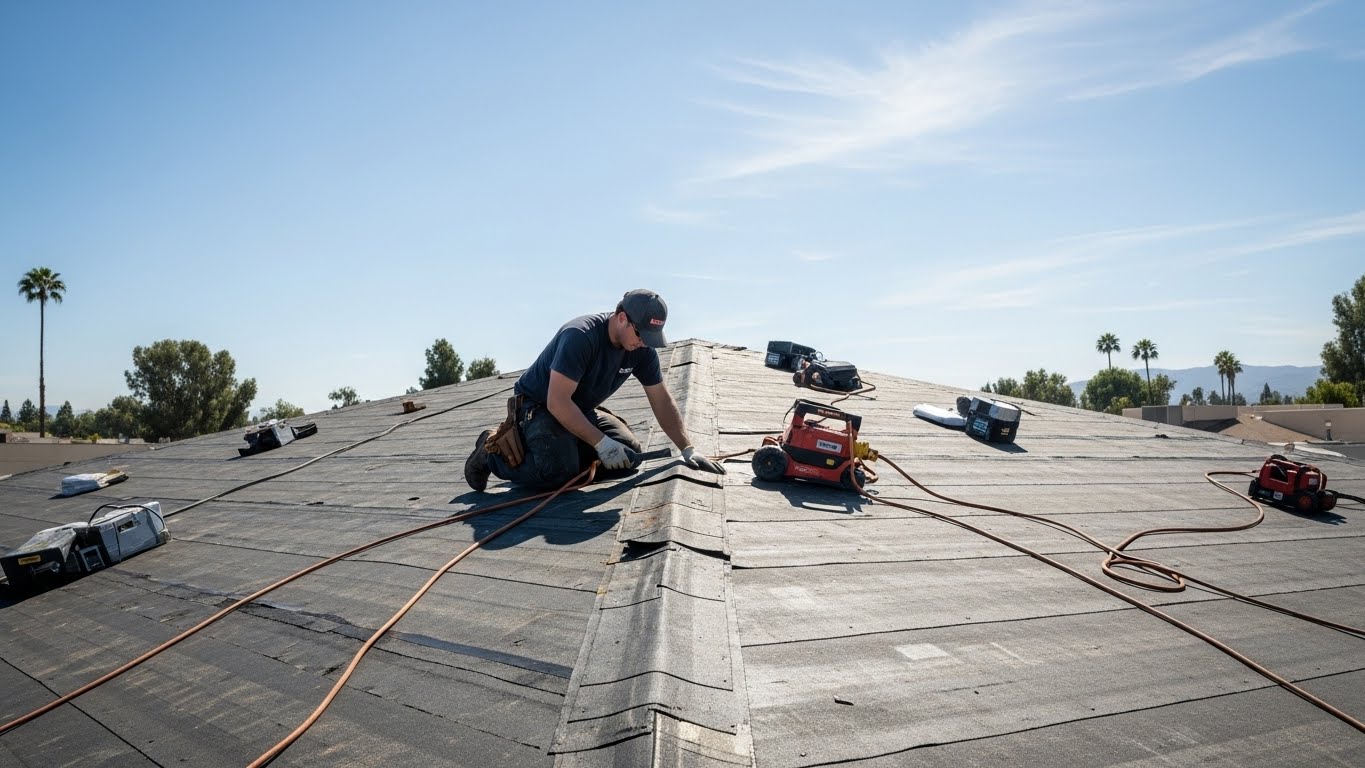
When you manage a property in Tarzana, you get to know the rhythm of the San Fernando Valley—the bright, dry days that bake rooftops, the sudden Santa Ana gusts that rattle parapets, and the occasional heavy winter storm that can test every seam and drain. I have walked countless roofs from Ventura Boulevard to the light-industrial pockets near the 101, and I can tell you that successful commercial roof repair here is equal parts technical skill and local know-how. In this introduction, I want to set the stage for how to think about repairs that last, why timing matters, and what a good plan looks like in our microclimate. If you are starting to evaluate your options, it helps to work with a team experienced in commercial roofing services that understand the Valley’s unique conditions.
The first step in any repair strategy is understanding how your roof actually behaves throughout the year. On a calm spring morning, a roof may look perfectly fine, but afternoon temperatures push membranes to expand, and by evening the cool-down drives contraction. Multiply that cycle by hundreds of days and you create stress points at seams, terminations, and penetrations. In Tarzana’s bright sun, UV exposure accelerates this aging. I have seen PVC roofs chalk and lose plasticizers at south-facing edges, while modified bitumen dries and alligator-cracks near parapet caps. A keen inspection will follow the sun, scanning those vulnerable exposures first, then chase the pathways water prefers to travel when a rare downpour arrives.
Leak tracing is both science and storytelling. Water rarely shows up directly beneath the opening. Instead, it runs along mechanical fasteners, follows the underside of a metal deck, or slips behind a coping before seeking the lowest point. Think of roof planes like gentle riverbeds. In many Tarzana buildings, I find moisture migrating toward internal drains that sit slightly higher than surrounding field membrane due to settled insulation, creating ponding that masks the original breach. A proper repair plan begins with moisture mapping to reveal saturation extent. Non-invasive meters, core samples in strategic locations, and a methodical walk-through paint the picture before any patch is attempted.
Membrane-specific knowledge is critical. For TPO and PVC, heat welding yields durable seams when done with clean scrim edges and controlled temperature, but those same systems will fail prematurely if contaminated by dust or oil from rooftop HVAC service. EPDM often responds well to primer and pressure-sensitive flashing for quick repairs, yet edge metal transitions need special attention to avoid peel-back during Santa Ana events. On built-up roofs, surfacing condition dictates whether a cold-applied patch will adhere; sometimes, removing aged cap sheet and tying into a stable ply stabilization is necessary. Every system has a best-practice playbook, and local conditions add footnotes that matter.
Parapet walls and penetrations remain the usual suspects. In Tarzana’s retail centers, rooftop package units and kitchen exhaust fans multiply roof penetrations, and each penetration is an opportunity for wear. Heat, grease, and vibration act together, weakening flashings and stress-relieving counterflashing. I like to approach these areas with a holistic eye: refresh pitch pans if present, replace compromised goosenecks, resecure curb flanges, and evaluate whether the mechanical unit needs vibration isolation to protect the new work. At parapets, pay close attention to the transition between vertical and horizontal surfaces. A robust base flashing, correct cant strip geometry, and intact coping clips go a long way toward preventing wind-driven infiltration.
Drainage is the quiet hero of any repair plan. Many of our flat commercial roofs in Tarzana were framed decades ago, and natural settlement has changed the way water moves. Repairing a leak without improving drainage may simply shift the problem. I have had great success incorporating small corrective measures—adding tapered crickets to pull water toward scuppers, lowering a clogged or high-sitting drain bowl, or replacing broken strainers. Even the best membrane cannot counteract ponding that persists for days. During inspections, I look for silty rings that betray standing water, then design a modest taper layout to correct the grade without disrupting tenants or incurring structural work.
Weather resilience is more than a buzzword here; it is necessity. Santa Ana winds can arrive after a heat spell, and that combination lifts and tests every edge. Repairs that stop at the field membrane and ignore edge metal are half-measures. I favor heavier-gauge perimeter metals, continuous cleats, and fully adhered terminations that remove flutter. Around skylights and roof hatches, anchoring and waterproofing must respect the wind load. Even a small loose corner can grow into a significant failure overnight when gusts channel across the Valley floor.
Compliance with Los Angeles codes and regional sustainability goals shapes smart repairs. Title 24 energy standards push reflective roofs, and thoughtful repair choices can preserve or enhance reflectivity without the need for a full replacement. White single-ply membranes benefit from gentle cleaning and renewal coatings compatible with the existing surface, and even mineral-surfaced modified bitumen can be addressed with reflective cap products in select cases. When detailing repairs, I also keep an eye on fire ratings and perimeter requirements that tie into the building’s overall life-safety strategy.
Staging and tenant coordination often decide whether a repair is remembered as painless or disruptive. Medical offices along Burbank Boulevard cannot tolerate odor during operating hours, and restaurants are sensitive to debris around intakes. Planning low-odor materials, scheduling noisy work early, and protecting air-handling units with temporary filters show respect to occupants and keep the project smooth. I also recommend pre- and post-work documentation: clear photos, a concise scope outline, and a field report that explains not just what was fixed, but why.
Documenting repairs is the foundation of long-term roof asset management. Each successful fix becomes a data point that informs the next decision. Was the leak tied to expansion from a specific corner, or due to foot traffic near a popular service route? Should you add walkway pads to guide technicians? Do you need a service protocol for HVAC contractors to prevent oil spills? Over time, your roof’s story emerges, and you can shift from reactive work to predictive action. When a new issue pops up, you will know whether to extend a detail you already trust or change tactics.
There is also value in blending repairs with modest upgrades. If a recurring issue traces back to thermal movement, consider introducing expansion joints at strategic intervals. If sunlight is punishing a rooftop that serves as a service corridor, install durable walkway rolls that keep soles off the waterproofing. Where solar arrays are present, ensure stanchion penetrations are at the correct height with sound flashing, and that wiring is clipped in a way that avoids scuffs across the membrane. These incremental improvements cost time and thought, not just materials, and they pay off in resilience.
Mid-project reassessment is healthy and, in my experience, it is where knowledge of the Tarzana building stock pays dividends. I have paused a repair, lifted a small section of membrane to confirm deck condition, and discovered localized rust on an older metal deck that we addressed before calling the job complete. That kind of disciplined curiosity separates a quick patch from a reliable solution. When your roofing partner treats each roof like a living system rather than a static surface, you get repairs that stand up through heatwaves and the occasional atmospheric river. For guidance tailored to local conditions, it helps to consult pros who live and breathe commercial roofing in the Valley.
As for warranties, they are only as good as the details that support them. Manufacturer-approved repair procedures matter when you want to preserve coverage on a relatively young single-ply. Logging materials used, temperatures during welding, and photos of seam probes may sound fussy, but they protect you later. On older roofs, where warranty status is no longer a factor, craftsmanship remains the north star. A tidy patch with clean edges and correct termination feels different under your boots; you can sense the diligence that went into it.
Safety deserves constant attention. Edge protection, tie-off points, and clearly marked access paths keep crews and vendors out of danger, particularly on mixed-use buildings where rooftop routes serve multiple trades. I favor creating a simple rooftop map for property managers, marking drain locations, electrical conduits, and hazard zones. That map complements the repair log and, over time, becomes a quick-training resource for every technician who steps onto the roof.
Communication ties all of this together. When a property owner or facility manager receives clear explanations and photos that align with what they see on site, trust builds. With trust comes better decisions: approving a small drainage correction, replacing a suspect curb instead of re-caulking again, or scheduling a preventive visit before the first rains. Good roofing is not just about materials and methods; it is about the way information moves between people.
Frequently Asked Questions
Q: How do I know whether a leak needs a localized repair or signals a larger roof problem?
A: Start with a methodical assessment that includes moisture detection around the leak and at logical pathways like drains and parapets. If saturation is limited and membrane integrity elsewhere is strong, a localized repair may be appropriate. If multiple areas show moisture or the membrane is brittle in wide swaths, a broader strategy is prudent.
Q: Are heat-welded repairs better than adhesives in our climate?
A: Both can be effective when matched to the membrane and applied properly. Heat welding excels on TPO and PVC when surfaces are clean and temperatures are controlled. Adhesive-based solutions often suit EPDM and certain modified bitumen details. The key is compatibility and surface preparation in Tarzana’s dusty conditions.
Q: Can I repair ponding areas without re-sloping the entire roof?
A: Yes, small tapered crickets and adjustments to drain heights can make meaningful differences. The goal is to shorten the time water remains on the roof. Strategic corrections focused on known low spots prevent recurrence without major reconstruction.
Q: What should I do before the first fall storm?
A: Clear debris from drains and scuppers, check strainers, inspect flashings at parapets and penetrations, and schedule a focused walk-through of known trouble spots. Early, small interventions are more effective than emergency calls during rainfall.
Q: Will repairs void my manufacturer warranty?
A: If your roof is under warranty, insist on manufacturer-approved methods and materials, and keep records. Most manufacturers allow qualified contractors to perform repairs without jeopardizing coverage, provided procedures are followed.
Q: How often should I have the roof inspected in Tarzana?
A: Twice a year is a solid baseline—once before the wet season and once after—and after major wind events. Buildings with heavy rooftop traffic or complex mechanical equipment benefit from quarterly visits.
Q: Are reflective coatings a good idea on older roofs?
A: They can be, when the underlying membrane or built-up system is still sound. Coatings may extend service life and improve energy performance, but they are not a cure-all for saturated or failing assemblies.
Q: What signs indicate that a previous repair was poorly executed?
A: Look for lifted edges, exposed scrim, mismatched materials, and caulking as a primary waterproofing element rather than a secondary seal. Quality repairs look neat, feel bonded, and integrate into the roof system rather than sitting on top of it.
Next Steps
If you are seeing water marks, suspect ponding, or want a second opinion on a stubborn leak, reach out for a thoughtful assessment tailored to Tarzana’s climate and building stock. From diagnostics to durable detailing, we will help you turn quick fixes into lasting solutions. When you are ready to move from reactive work to a proactive plan, connect with local specialists in commercial roofing who will treat your roof like the essential asset it is. Let’s walk it together, build a clear roadmap, and get your roof ready for the next season.