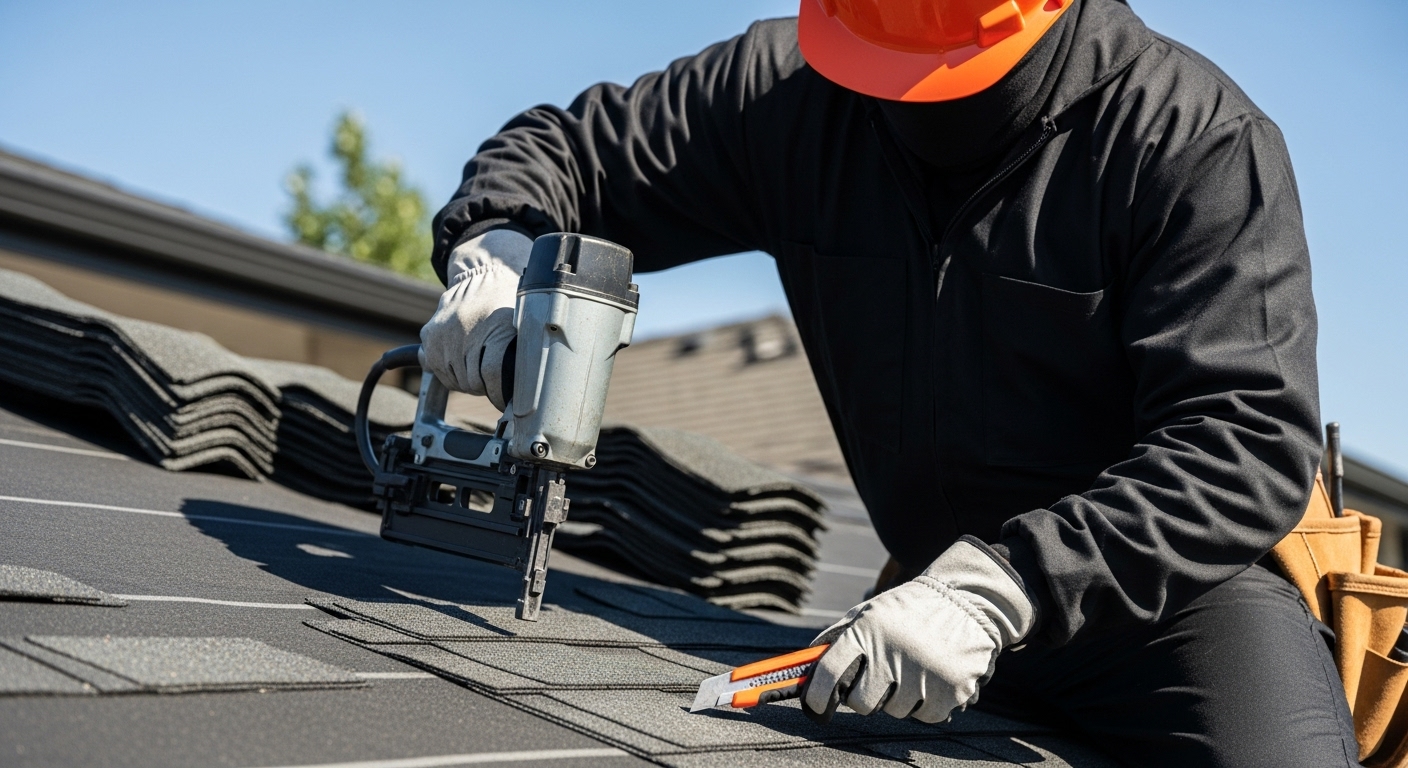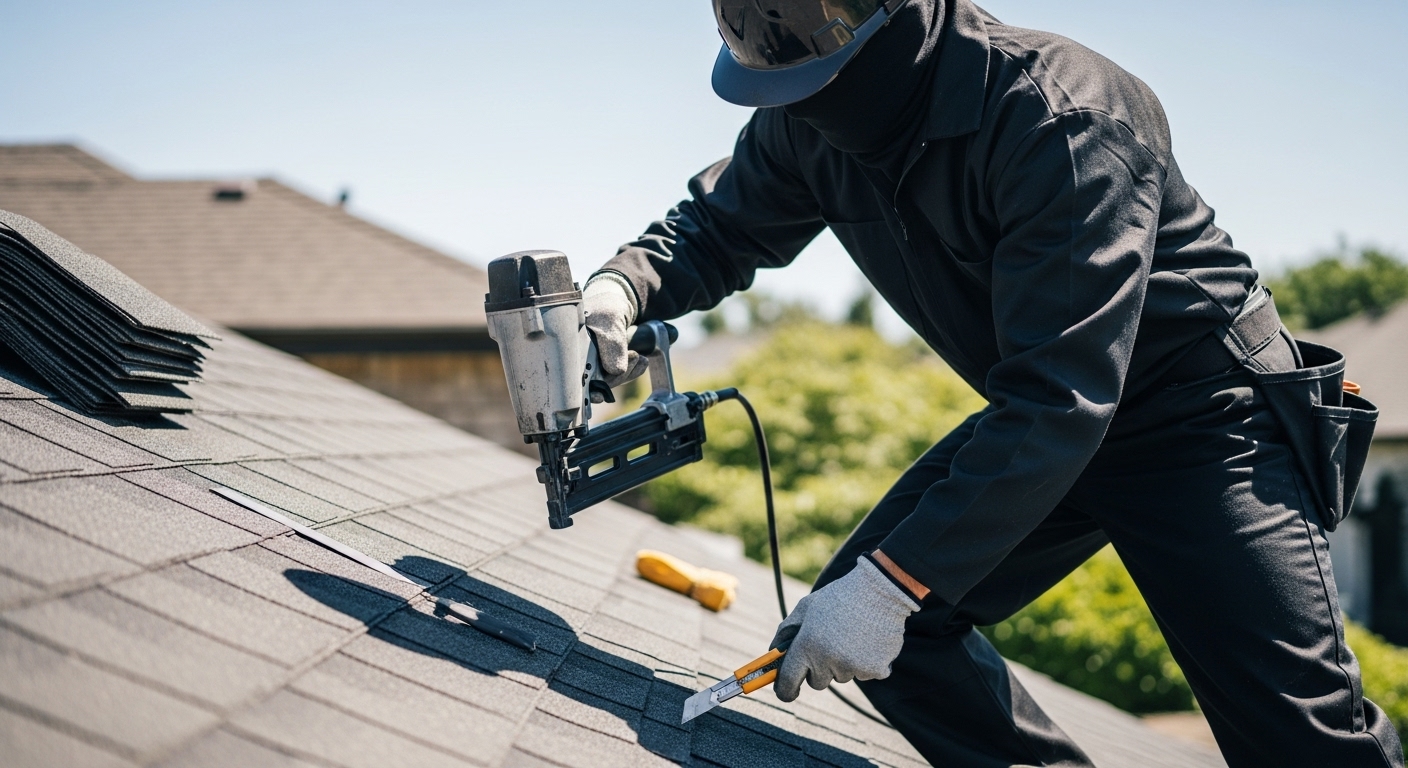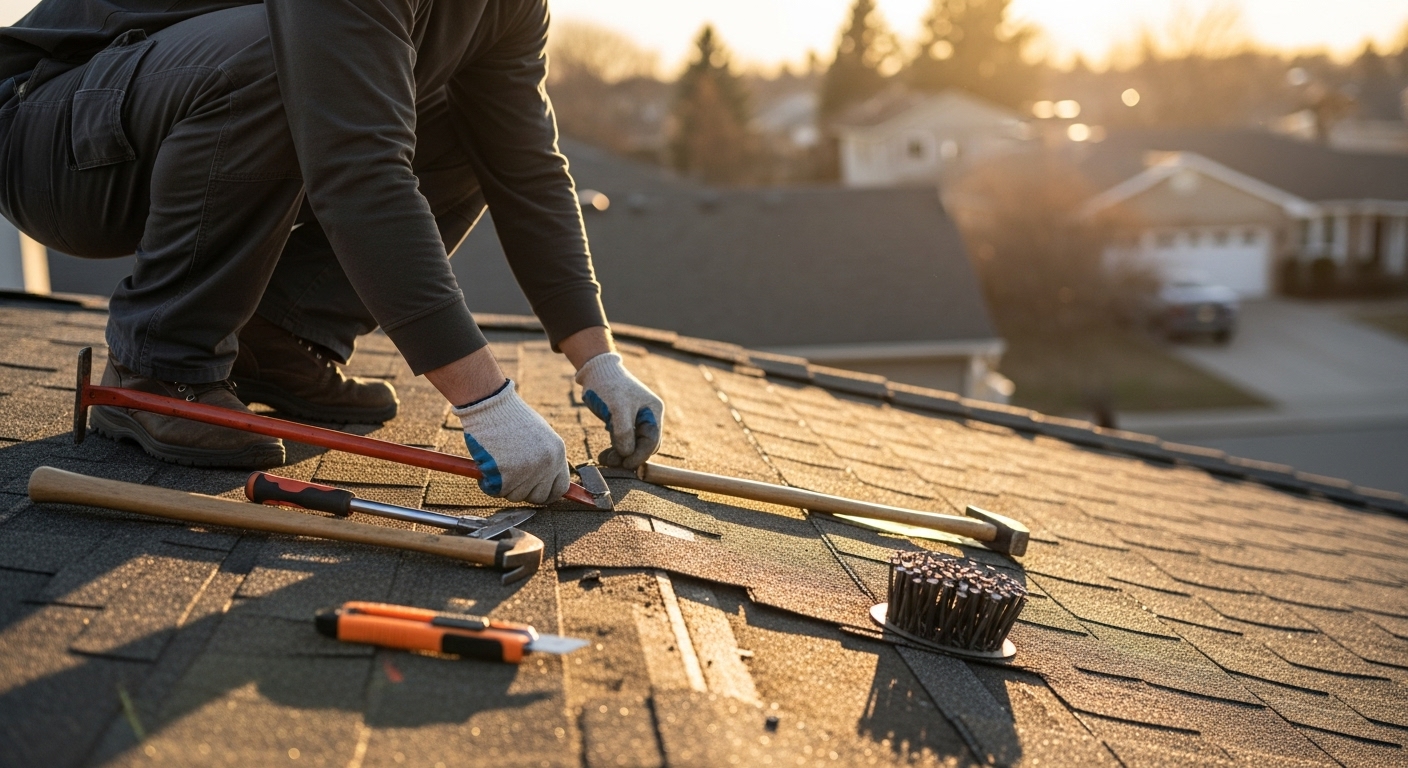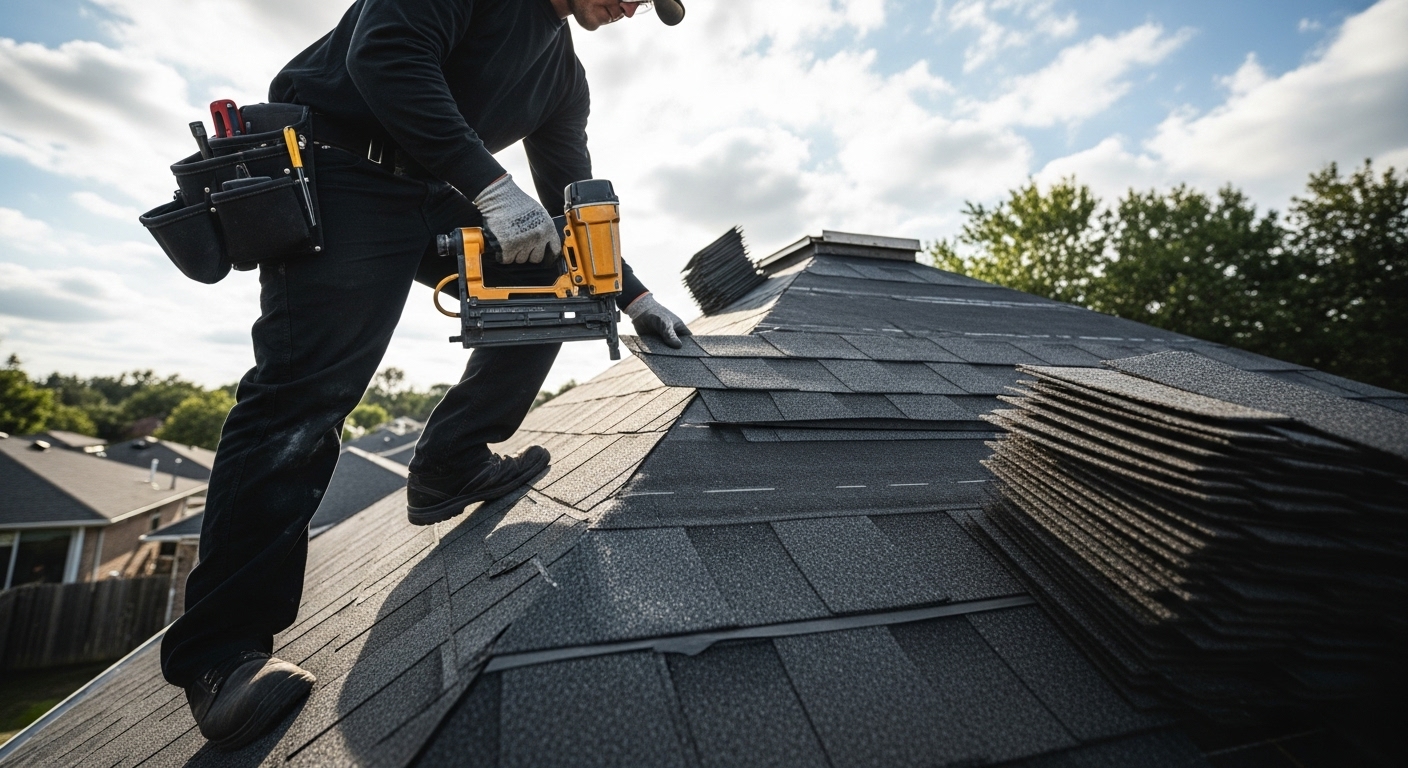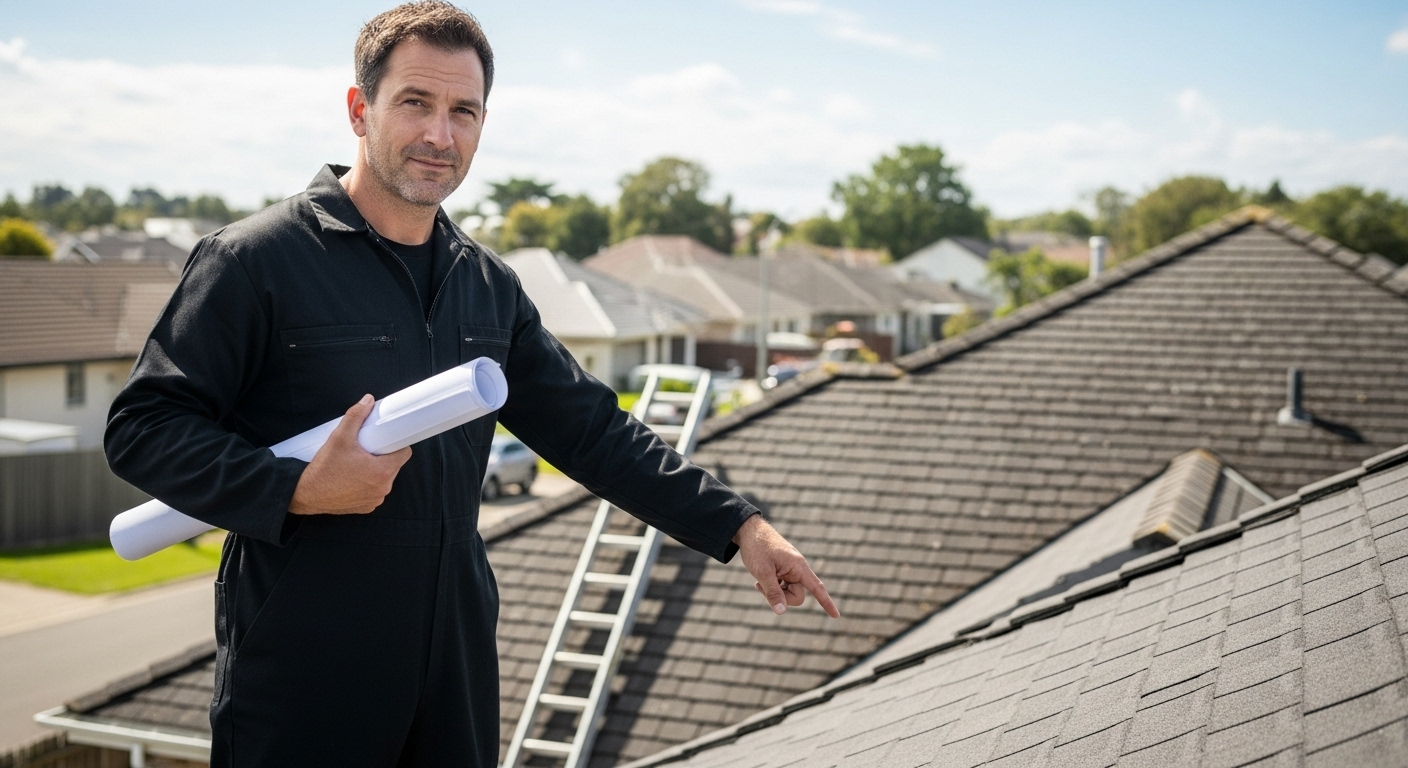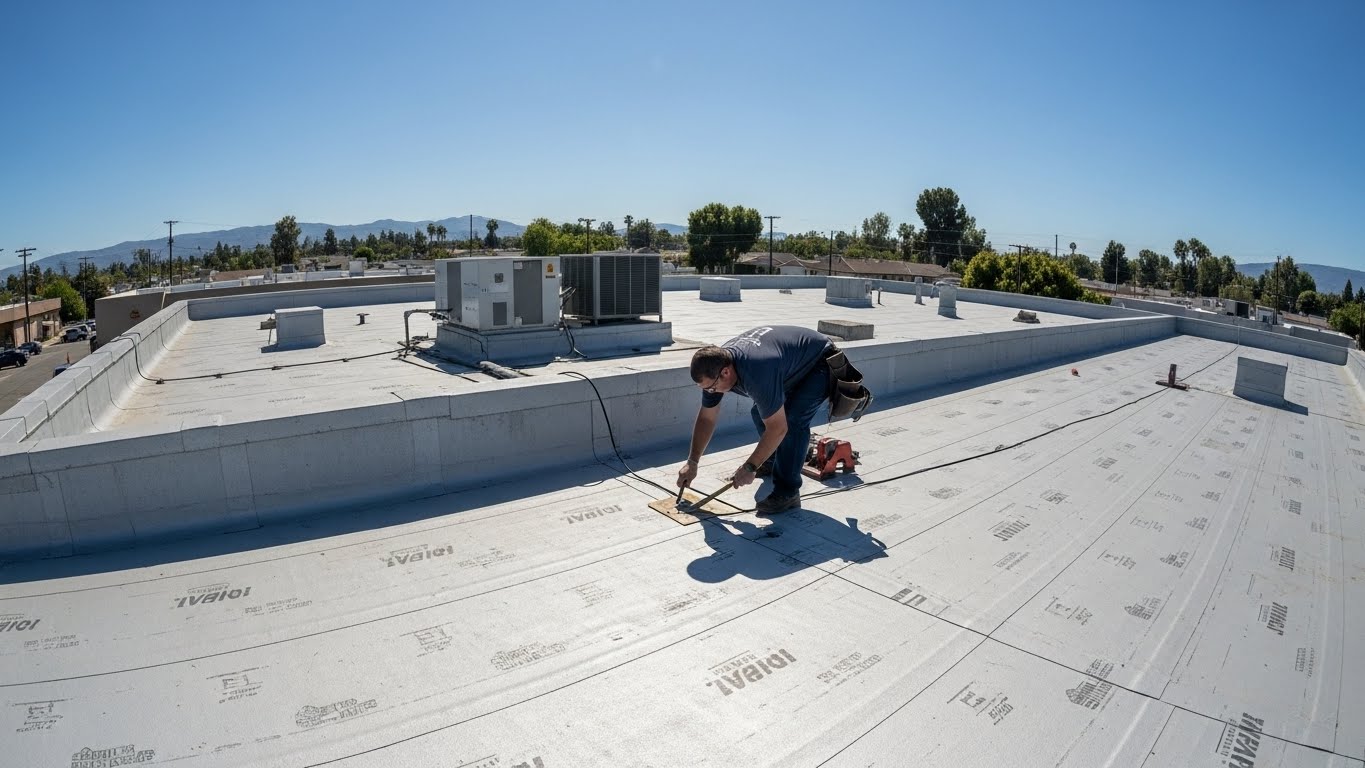
Walk any block in Tarzana, and you will find flat and low-slope roofs defining the skyline—strip malls with long parapets, medical suites tucked in mid-century offices, and tilt-up warehouses set back from the boulevard. These roofs are practical workhorses, hosting HVAC equipment, ducts, and sometimes solar arrays, while protecting tenants from summer heat and the occasional winter storm. Building on decades of local experience, I want to share how to think about flat roofing here: system choice, drainage, energy performance, and the day-to-day realities of traffic and maintenance. If you are exploring options, start by engaging a team grounded in Valley conditions and experienced in commercial roofing services so you build a roof that suits both your building and our climate.
When we talk about flat roofs, we are really talking about very gentle slopes designed to shed water slowly and predictably. In Tarzana’s dry months, these surfaces see intense UV and wide daily temperature swings. A roof that handles that stress well typically balances reflectivity, flexibility, and secure attachment. TPO and PVC offer high solar reflectance and heat-welded seams; EPDM brings elasticity and resilience; modified bitumen provides rugged, multi-ply durability and high puncture resistance. Selecting among them is less about brand and more about how your building moves, how it is used, and how you plan to maintain it.
Drainage sits at the heart of performance. The best membrane in the world cannot outsmart persistent ponding. During surveys, I trace the “river” that water will follow after a burst of rainfall, looking for subtle depressions, saddles between drains, and clogged scuppers tucked behind parapets. A well-designed flat roofing project in Tarzana couples a membrane choice with a slope strategy—tapered insulation, corrective crickets, and aligned drains—to keep water moving. When that is paired with strainers that are easy to clean and clearly marked access paths, the roof stays in good shape with less effort.
Attachment methods matter more than many realize. Mechanically fastened systems can be efficient on large warehouses, especially where uplift pressures are moderate and deck conditions support fasteners. Fully adhered systems tame flutter and deliver a cleaner aesthetic around parapets, which is a plus for mixed-use and office buildings that value quiet interiors during wind events. Ballasted systems are less common here due to seismic and maintenance considerations. The choice should reflect more than initial installation; it should align with how you will access and service the roof over decades.
Parapets, edges, and transitions are where low-slope roofs live or die. The neat, white field of a TPO can look flawless, yet small errors at corners will invite wind and water. In Tarzana’s Santa Ana conditions, robust perimeter metals with continuous cleats and well-anchored terminations deserve priority. I recommend planning details that simplify future service: removable counterflashings at unit curbs, raised conduits supported on pads rather than resting directly on the membrane, and clearly defined walkway routes. Roofs are not museums—they are work sites. Good details anticipate traffic.
Energy performance is a practical topic, not a buzzword, in the San Fernando Valley. Title 24 encourages reflective surfaces that can trim cooling loads, especially on lightly insulated buildings. A white single-ply roof maintained for cleanliness will reflect more sunlight and stay cooler, slowing membrane aging. Insulation strategy also matters. In many retrofits, we use a combination of high-density cover boards and polyiso insulation to stiffen the surface, improve hail and foot traffic resistance, and smooth out deck irregularities that would otherwise telegraph through the membrane.
Integrating rooftop equipment gracefully is a hallmark of successful flat roofs. Mechanical curbs should be tall enough to accommodate future reroofs without compromising flashing heights. Condensate discharge needs to be contained, not allowed to trickle over seams where it can carry dirt that degrades reflectivity. Solar stanchions require purpose-built flashings that leave room for inspection and cleaning. I encourage owners to think about the roof as an ecosystem; when electrical and mechanical trades coordinate with roofing early, the result is a cleaner, longer-lasting installation.
Coatings are sometimes mistaken as a cure-all for flat rooftops. In truth, they have a proper place as part of a maintenance or restoration strategy when the underlying assembly is dry and stable. On aged but sound single-ply or modified bitumen systems, compatible coatings can refresh reflectivity and extend service life. However, coatings do not fix structural slope issues or widespread saturation. A careful assessment, including core cuts and moisture readings, should dictate whether restoration or replacement is the appropriate path.
Access planning is often overlooked, and yet it dictates how well a flat roof will be treated over time. Ladders, hatches, and stair access should funnel visitors onto reinforced walk pads. High-traffic routes around HVAC units deserve heavier-duty surfacing to prevent point loading and gouging. Clearly marked paths reduce wandering footsteps, which means fewer accidental punctures and less chance of dislodging drain strainers. A little thought at the design stage saves countless small repairs later.
Tarzana’s occasional heavy rains expose any weakness in scuppers and internal drains. I like to stand on a roof after a storm and look for telltale water marks and sediment trails that reveal how the system performed. Those observations inform small but important tweaks—raising a low curb to proper height, adding an overflow scupper, or adjusting a cricket that did not move water as intended. Flat roofing is as much about refinement after the first season as it is about the initial install.
Choosing a contractor for a flat roof is about alignment with your building’s story. A warehouse near the 101 with infrequent roof access calls for different detailing than a medical office with daily rooftop visits and strict odor requirements. The right partner will discuss phasing, tenant sensitivity, and documentation, not just material specs. They will produce a clear plan, communicate during the work, and leave you with a maintenance roadmap. Mid-project check-ins are a mark of quality; it shows a willingness to adapt as hidden conditions come to light. You want a team known for thoughtful commercial roofing that stands up to local wind and sun.
Warranty strategy should be practical. Manufacturers offer a range of coverage levels, often tied to specific details and inspection milestones. Longer coverage makes sense on roofs with limited future penetrations and stable use, while modest warranties paired with diligent maintenance can be smarter for dynamic sites with frequent equipment changes. Either way, documentation—photos, as-builts, and service logs—preserves value and helps future technicians understand the intent behind details.
Finally, remember that a flat roof in Tarzana is not a set-and-forget asset. The best systems are designed for serviceability, with predictable drainage, protected perimeters, and accessible components. When those fundamentals are in place, semiannual maintenance becomes a quick, satisfying visit rather than a scavenger hunt for surprises. Your tenants will experience fewer disruptions, your energy bills will be steadier, and the roof will age gracefully rather than suddenly.
Frequently Asked Questions
Q: What system is best for a flat roof in Tarzana—TPO, PVC, EPDM, or modified bitumen?
A: The best choice depends on use, access, and desired energy performance. White single-ply membranes excel at reflectivity, EPDM offers elasticity and quiet service, and modified bitumen provides rugged durability. Matching system to building behavior and maintenance plan is more important than the label.
Q: How much slope should a flat roof have?
A: Typical design slopes are gentle, just enough to move water toward drains and scuppers. The exact layout varies by building geometry. Tapered insulation and crickets help fine-tune flow on older structures where settlement has created low spots.
Q: Are fully adhered systems better than mechanically fastened systems?
A: Not universally. Fully adhered systems reduce flutter and may be quieter during winds, which some tenants prefer. Mechanically fastened systems can be efficient on large, open buildings. Each option has strengths when matched to deck type, wind exposure, and building use.
Q: Can I install solar on my flat roof without compromising waterproofing?
A: Yes, with the right planning. Use purpose-built flashings for stanchions, maintain adequate flashing heights at curbs, and coordinate wire management to prevent scuffing. Involve the roofer during solar design to protect warranties and service access.
Q: Do coatings work as a standalone solution?
A: Coatings are excellent for maintenance and restoration on sound substrates, but they do not cure widespread moisture or slope deficiencies. A thorough assessment should determine whether coating, partial replacement, or full reroof is appropriate.
Q: How often should I inspect a flat roof?
A: Twice yearly, plus after significant wind or rain. Focus on drains, scuppers, perimeters, and high-traffic zones. Inspections are quick when access and pathways are well planned from the start.
Q: What are the biggest threats to flat roofs in the Valley?
A: UV exposure, thermal cycling, wind uplift at perimeters, and foot traffic around equipment. Good detailing and clear access routes mitigate these factors.
Ready to Plan Your Roof
If your Tarzana building is due for a new flat roof or you want a second opinion on system selection, let’s start with a walk-through. We will consider drainage, energy performance, access, and your plans for future equipment. With a thoughtful design and a clear maintenance path, your roof can serve quietly for years. When you are ready to talk options with local specialists, reach out to experienced commercial roofing pros who know how to build for Valley sun and seasonal storms. We are ready to help you turn a flat surface into a reliable asset.
Commercial Roofing Cost Per Square Foot in Tarzana California